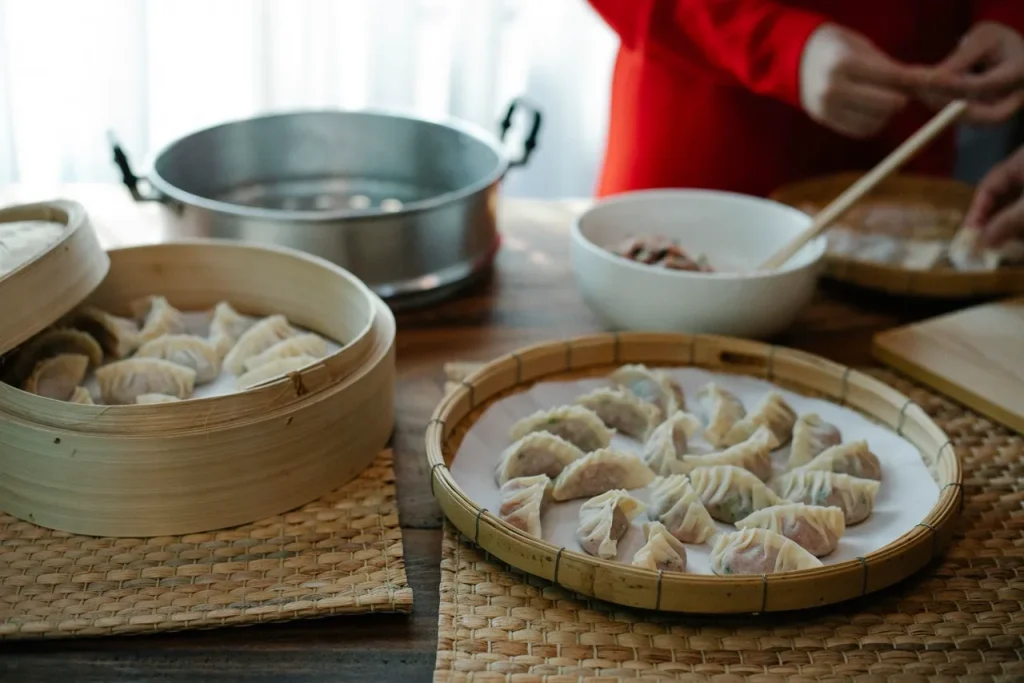
Ask someone to name a Chinese food, and “dumplings” will be near the top of the list. But the word “dumpling” in English covers a wider family than most people realize. Under the same wrapper-to-filling principle, Chinese cuisine contains jiaozi, wonton, guo tie, shumai, tangyuan, baozi, and many regional variations. They share the basic idea of filling wrapped in dough, but they differ in wrapper thickness, folding style, cooking method, filling composition, dipping sauce, and cultural context.
This variety is part of what makes Chinese food culture so rich. A single concept — wrap something tasty inside something simple — can create dozens of distinct dishes, each with its own name, texture, and occasion. Understanding the differences helps people appreciate the range of Chinese cooking beyond the familiar jiaozi.
Jiaozi: the family favorite
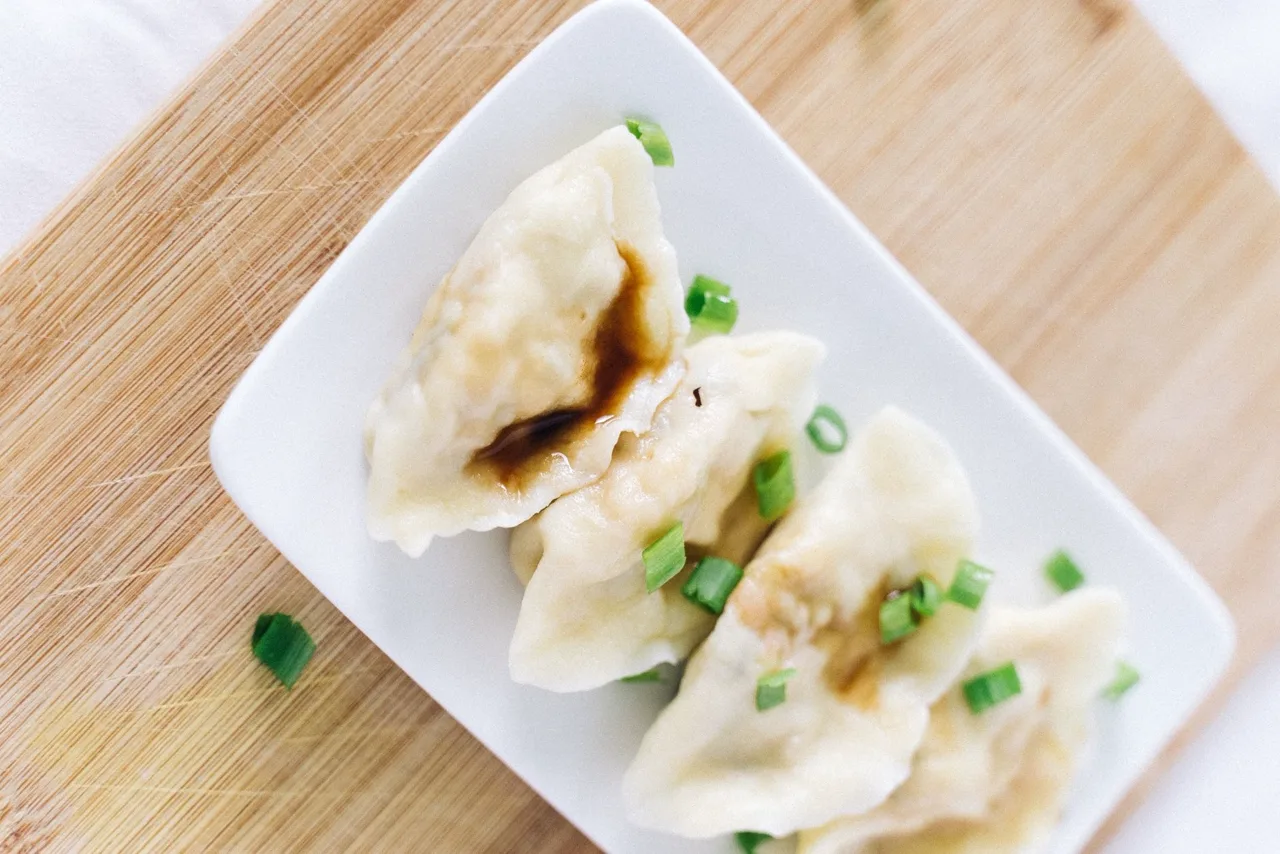
Jiaozi are the most internationally recognized Chinese dumpling. They typically have a thicker wrapper, a pleated crescent shape, and fillings made from ground meat and vegetables. Jiaozi can be boiled, steamed, or pan-fried. They are a central food for Spring Festival, especially in northern China, where families gather to wrap them together on New Year’s Eve.
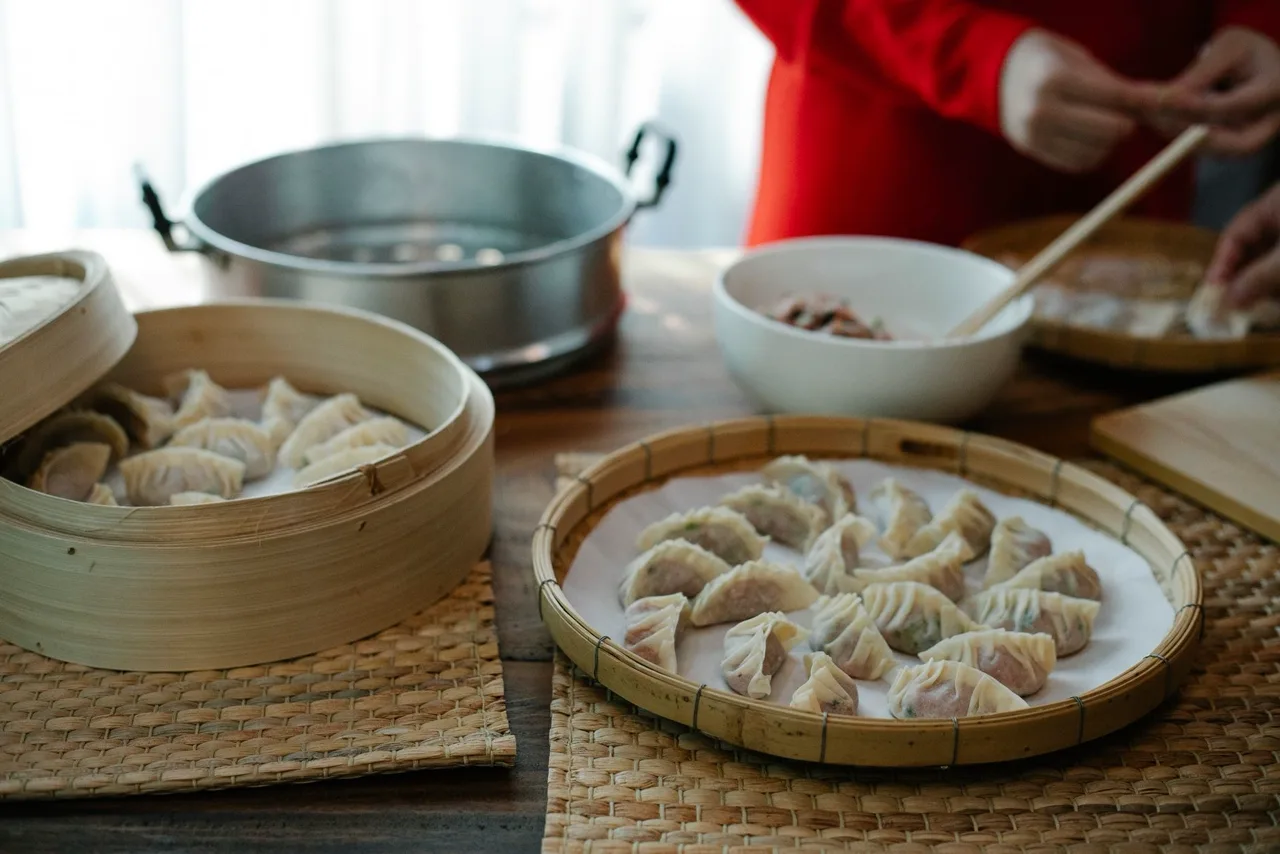
Jiaozi-making is a social event. The whole family sits around a table — some roll wrappers, some fill, some pleat, some arrange the finished pieces on a tray. This tradition turns cooking into connection. The taste of a homemade jiaozi carries the taste of that particular evening.
Like longevity noodles, jiaozi carry symbolic meaning. Their shape resembles ancient Chinese silver ingots, so eating them during the New Year is believed to bring wealth. The food and the wish become the same thing.
Wonton: the soup dumpling
Wonton uses a thinner wrapper and is almost always served in broth. The wrapper is square, and the filling is typically a small amount of seasoned pork or shrimp. The folding is quick — a simple triangle fold or a gathered pouch. Wonton soup is a staple of breakfast, late-night snacks, and Cantonese teahouses.
Wonton has a different texture from jiaozi because the wrapper dissolves slightly in the broth, creating a silky mouthfeel. The soup itself can be simple (clear broth with scallions) or complex (shrimp-shell stock with dried flounder). In cities like Hong Kong and Guangzhou, wonton noodles are a local institution.
Chinese breakfast culture is full of speedy, warm options. Like baozi and mantou at the morning stall, wonton offers comfort in a bowl without requiring a long sit-down meal.
Guo tie: the crispy pot sticker
Guo tie, often called pot stickers in English, are jiaozi that have been pan-fried on one side. The bottom becomes golden and crispy while the top stays tender. The contrast between crunchy base and soft wrapper makes guo tie satisfying in a different way from boiled jiaozi.
The cooking method is simple but requires attention. The dumplings are placed in a hot pan with oil, then water or broth is added and covered. The steam cooks the filling and wrapper. When the liquid evaporates, the bottom fries again. A good guo tie releases from the pan easily and forms a thin, brittle crust.
Texture contrast is a key pleasure in Chinese cooking. The crispness of youtiao against soft soy milk is one example. Guo tie offers a similar experience inside a single dumpling.
Shumai: the open-top dumpling
Shumai is a Cantonese dumpling with an open top. The wrapper is thin and round, the filling is usually pork and shrimp, and the top is decorated with a small amount of crab roe or carrot. Shumai is a standard item in dim sum restaurants, served in bamboo steamers and eaten with a small dish of vinegar or chili sauce.
The open top is not only decorative. It lets steam circulate directly through the filling, producing a moist, tender texture. The wrapper holds the shape without being sealed, which requires a different folding technique. Shumai demonstrates that a dumpling does not need to be fully enclosed to be delicious.
Tangyuan and other sweet dumplings
Not all Chinese dumplings are savory. Tangyuan are sweet glutinous rice balls, usually filled with black sesame, peanut, or red bean paste. They are served in warm sweetened soup and are closely associated with the Lantern Festival and Winter Solstice. Their round shape symbolizes family reunion.
Other sweet dumplings include fried sesame balls (jian dui) and sweet potato dumplings. The line between dumpling and dessert is flexible. Chinese congee culture also shows how a simple base — rice porridge in one case, dough in the other — can carry both everyday and celebratory meanings.
Regional dumplings worth knowing
China’s dumpling family does not stop at the well-known types. Xiao long bao from Shanghai are soup-filled dumplings steamed in small baskets. Chaoshou from Sichuan are wonton-like dumplings served in chili oil. Xiajiao are shrimp dumplings wrapped in translucent wheat starch dough, a dim sum classic.
Each region adapts the wrapper-filling idea to local ingredients and tastes. The result is a vast family of wrapped foods that share a common ancestor but speak in different dialects. Exploring them is like traveling through China one dumpling at a time.
Why dumplings matter
Dumplings are not complicated food. They are flour, water, filling, and heat. But they carry an enormous amount of meaning: family labor, festival memory, regional identity, daily comfort, and culinary creativity. Whether boiled, steamed, pan-fried, or served in soup, a dumpling is a small package of warmth. That is why people who grew up eating them never forget the taste.
And that is why, for newcomers, learning the difference between jiaozi, wonton, guo tie, and shumai is not pedantry. It is the beginning of understanding that Chinese food is not a single menu. It is a set of ideas repeated with endless variation — and dumplings may be the most delicious example of all.