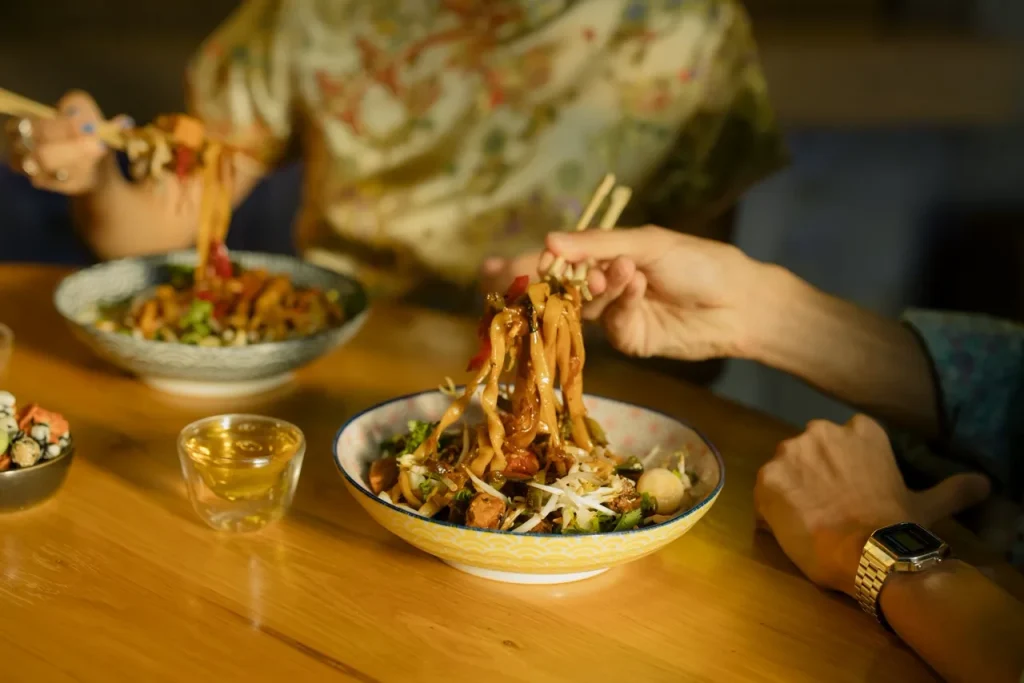
In Chinese food culture, a bowl of noodles can be more than lunch. On a birthday, especially for elders, long noodles become a wish for long life. The idea is easy to understand even if you do not speak Chinese: a long, unbroken noodle suggests a long, smooth life. The symbolism is simple, visual, and delicious.
Longevity noodles are not one single recipe. They may be served in broth, stir-fried, topped with eggs, mixed with vegetables, or made with regional sauces. What matters most is the gesture. Someone prepares or orders noodles because the birthday person should live long, eat well, and feel surrounded by care.
Why length matters
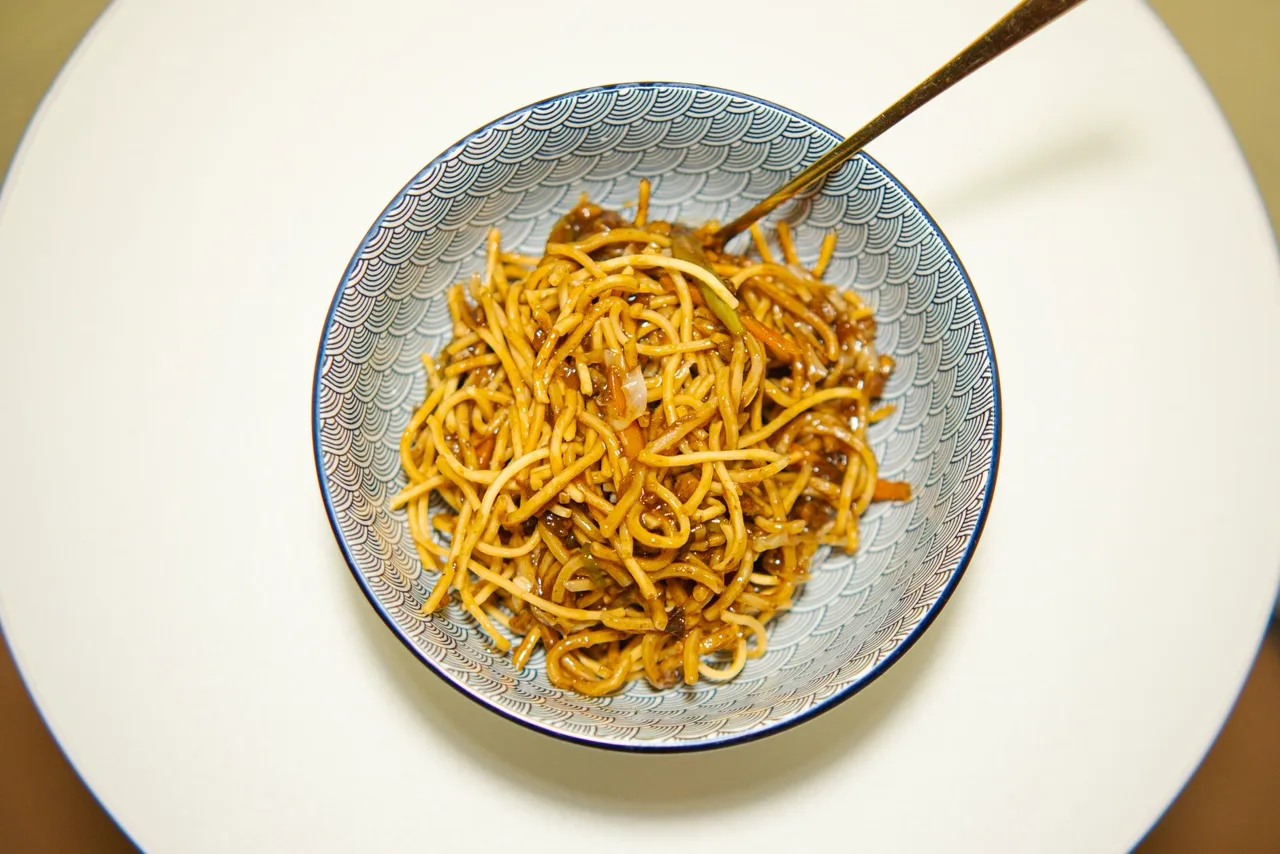
Chinese symbolism often works through shape, sound, color, and shared habit. The noodle’s length makes it an obvious symbol. People sometimes say the noodles should not be cut, because cutting them would symbolically shorten life. In real kitchens, noodles break anyway, but the intention remains: longer is luckier.
This is different from a written symbol like the Fu character, yet the logic is similar. Meaning is placed into an ordinary object. A door sign becomes blessing. A noodle becomes longevity. Chinese culture often turns daily materials into carriers of wishes.
Birthday meals at home
Many people remember birthday noodles from family meals rather than restaurants. A parent or grandparent cooks a bowl in the morning. An egg may be added because eggs can suggest completeness and renewal. Greens may bring freshness. Meat or seafood may make the dish feel more generous. The bowl may be simple, but it arrives with affection.
For elders, the meal can carry respect. Younger relatives gather, offer greetings, and make sure the birthday person eats first. A red envelope may also appear, especially in family celebrations, linking food to the gift etiquette described in red envelope culture. The birthday becomes a small ceremony of care.
Regional bowls, shared meaning
China’s noodle world is enormous. Northern wheat noodles, southern rice noodles, hand-pulled noodles, knife-cut noodles, thin soup noodles, dry mixed noodles, and street-side bowls all belong to different local habits. A birthday noodle in one city may look nothing like a birthday noodle in another. Some families prefer a clean broth; others want rich toppings.
That variety is a strength. Longevity is the shared wish, but taste remains local. A person from one region may crave the birthday bowl of childhood even after moving far away. Food memories travel with migrants, students, and workers. A noodle shop in a new city can become a temporary home because it tastes close enough to the old one.
Everyday food becomes ceremonial
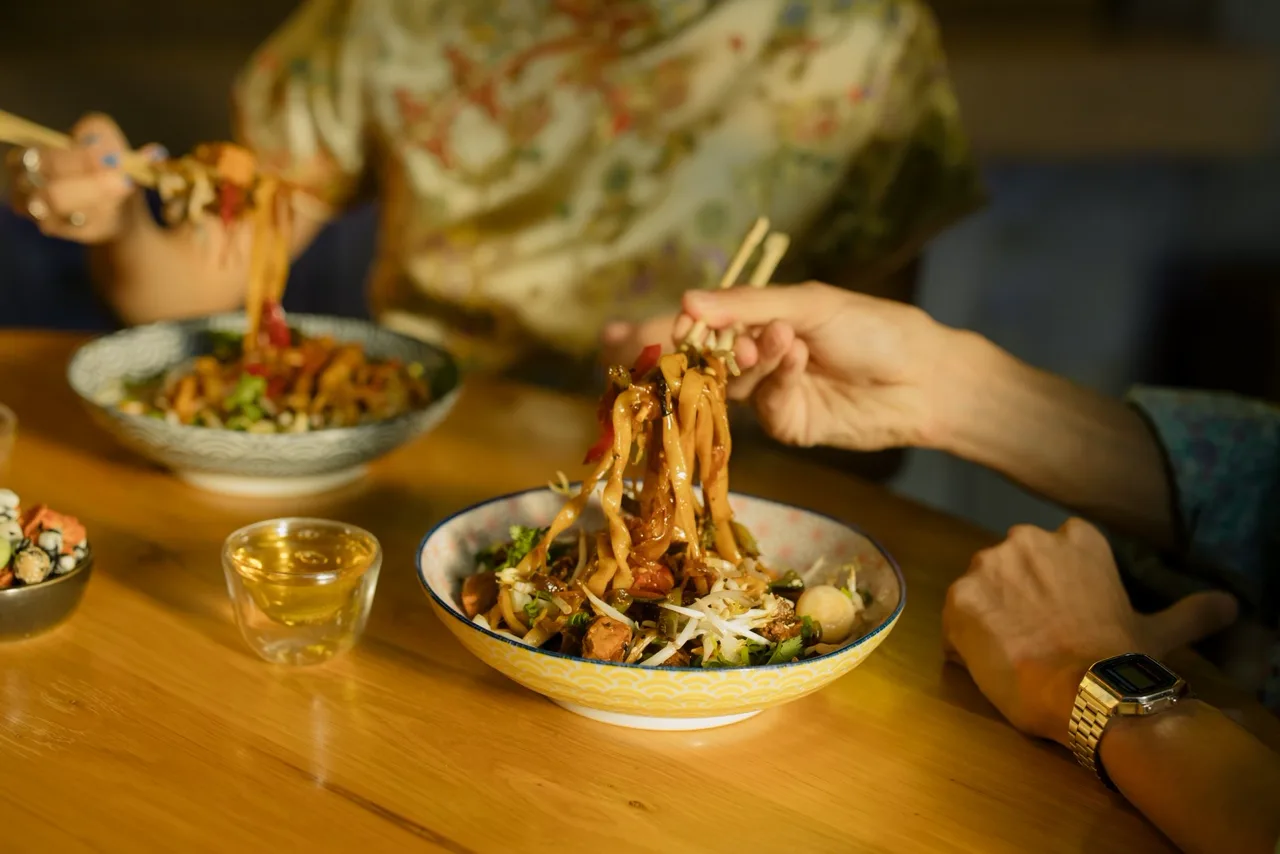
Noodles are ordinary food. That is why they work so well as a birthday symbol. They do not require a grand banquet to feel meaningful. A busy office worker can eat birthday noodles at lunch. A student can cook instant noodles with an egg in a dormitory and still smile at the idea. A family can order takeout and keep the custom alive in modern form.
This ability to make ordinary food ceremonial appears across Chinese food culture. A bowl of congee can say home and care. Breakfast buns can say morning routine and neighborhood warmth. Birthday noodles say: keep living, keep eating, keep returning to the table.
Noodles, cakes, and modern birthdays
Modern Chinese birthdays often include Western-style cakes, candles, songs, photos, and restaurant meals. Longevity noodles do not necessarily replace those elements. They coexist with them. A family may eat noodles in the morning and cake at night. A restaurant may serve both a decorated cake and a final bowl of noodles for the elder at the table.
This mixture shows how traditions adapt. The birthday cake gives the celebration a global language. The noodles give it a Chinese blessing. Together they feel natural for many families, especially in cities where cultural forms overlap every day.
How to share the custom
If you want to prepare longevity noodles for someone, keep the spirit more than the rulebook. Use long noodles if possible. Do not chop them into short pieces. Add ingredients the person likes. Serve the bowl with a clear birthday wish. The warmth of the gesture matters more than perfect authenticity.
A good bowl of birthday noodles is humble but powerful. It turns wheat, broth, toppings, and time into a wish that everyone understands. May your life be long. May the road be smooth. May there always be someone nearby who remembers to make you noodles on your birthday.