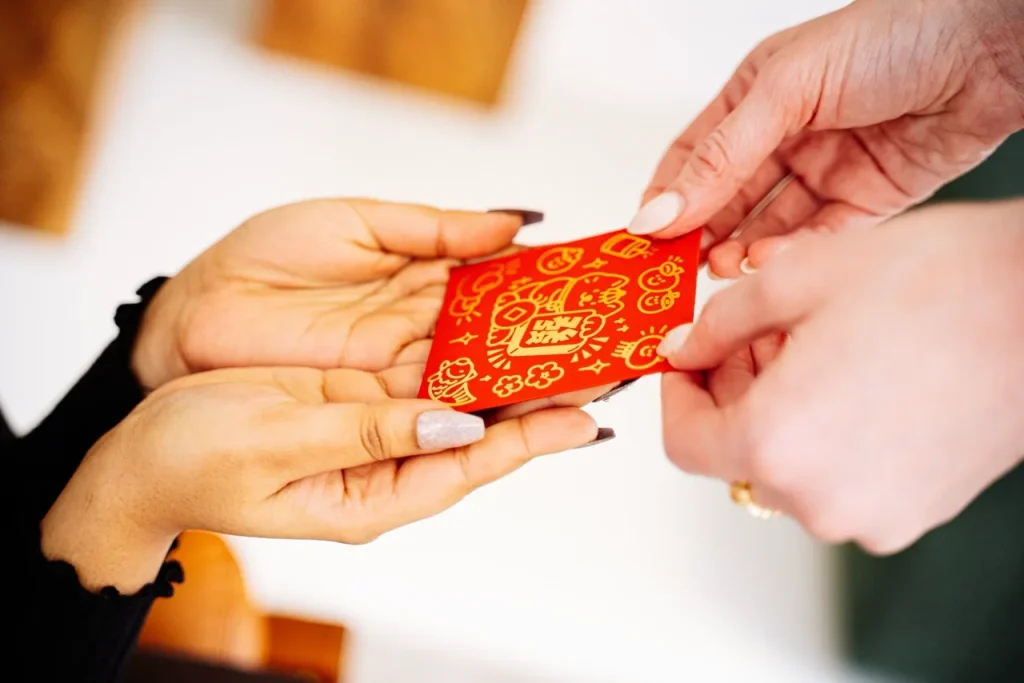
A red envelope looks simple: a small packet, usually bright red, with money inside. In Chinese culture, however, the red envelope is never only about cash. It carries blessing, etiquette, family hierarchy, social warmth, and the hope that good fortune will move from one person to another. Whether it is handed to a child during Chinese New Year or sent as a digital hongbao in a group chat, the gesture says more than the amount.
The Chinese name hongbao literally means “red packet.” Red is associated with joy, celebration, and protection, so the color itself matters. A plain banknote passed across a table would feel practical. The same money placed inside a red envelope becomes ceremonial. It is wrapped in good wishes.
Why red envelopes are given
The best-known occasion is Spring Festival. Elders and married adults give red envelopes to children and younger relatives. The money is often called lucky money, but the deeper wish is safety and healthy growth. In traditional explanations, the gift helps protect children from misfortune as the new year begins.
Red envelopes also appear at weddings, birthdays, business openings, graduations, and other important events. At a wedding, guests place money in red envelopes as a practical contribution and a blessing for the couple. Around a newborn child, red envelopes celebrate arrival and continuity. In each case, money is used not as a cold transaction but as a warm social language.
Etiquette is part of the gift
There are small rules. A red envelope should usually contain clean, new-looking bills. The amount should fit the relationship and occasion. In many places, even numbers are preferred for happy events because they suggest pairs and completeness. The number four is often avoided because it sounds like death in Chinese. The number eight is liked because it is associated with prosperity.
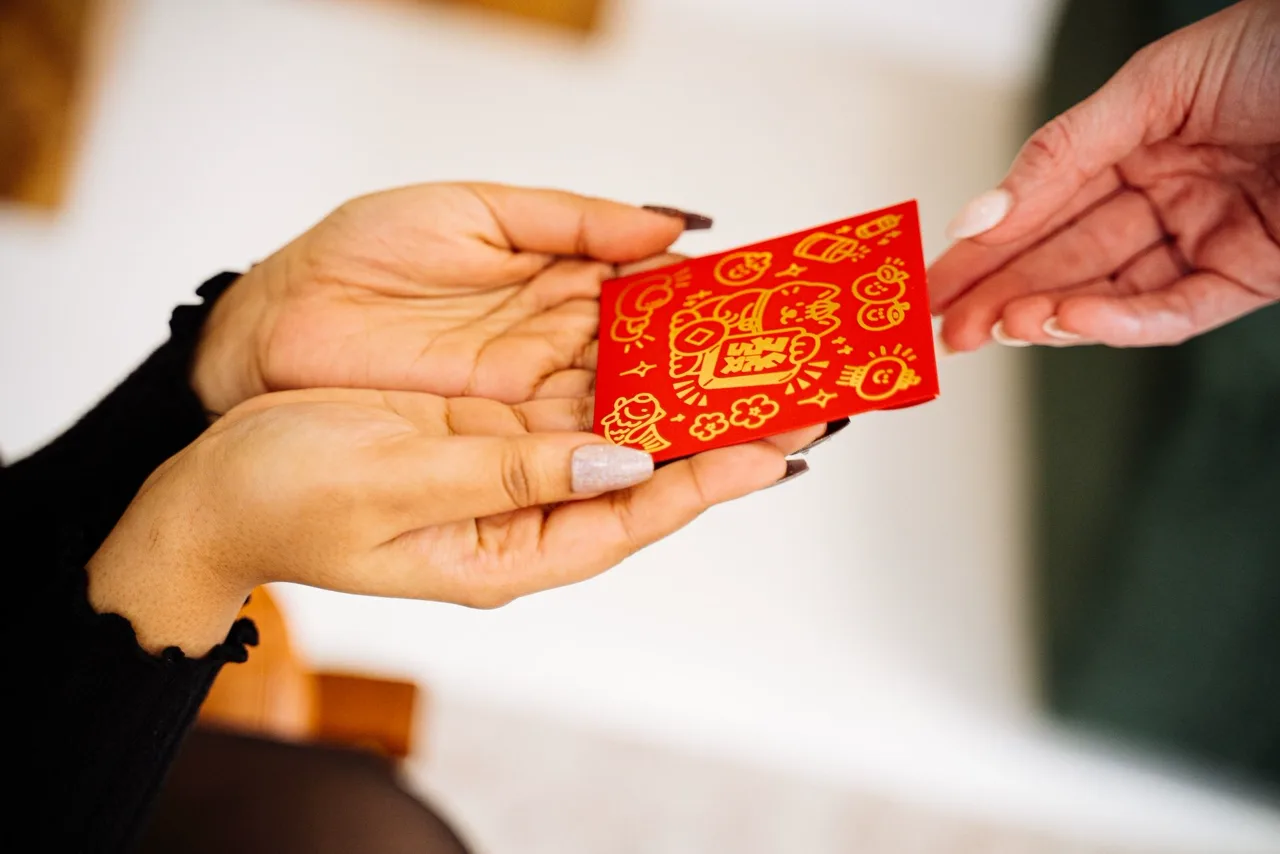
Children are often taught to receive envelopes with both hands and say a lucky phrase, such as wishing the giver good health or prosperity. The words matter. They turn the moment into an exchange of respect, not a grab for money. Adults may politely decline once before accepting in certain settings, especially when the gift is formal. These details show that Chinese gift-giving is often about rhythm: offer, receive, thank, bless.
Family hierarchy and affection
Red envelopes reveal family structure in a gentle way. Elders give to juniors. Married relatives may give to unmarried younger relatives. Hosts may give to children visiting the home. The packet marks responsibility as much as generosity. It says, “I am in a position to bless you.”
At the same time, the custom is affectionate. Many adults remember the feeling of holding a red envelope as a child: the smooth paper, the secret curiosity, the instruction not to open it too quickly in front of guests. The money might later be saved by parents, spent on snacks, or placed in a bank account. What remains in memory is often not the amount, but the mood of reunion, firecrackers, food, and adults laughing around the table.
Designs and symbols
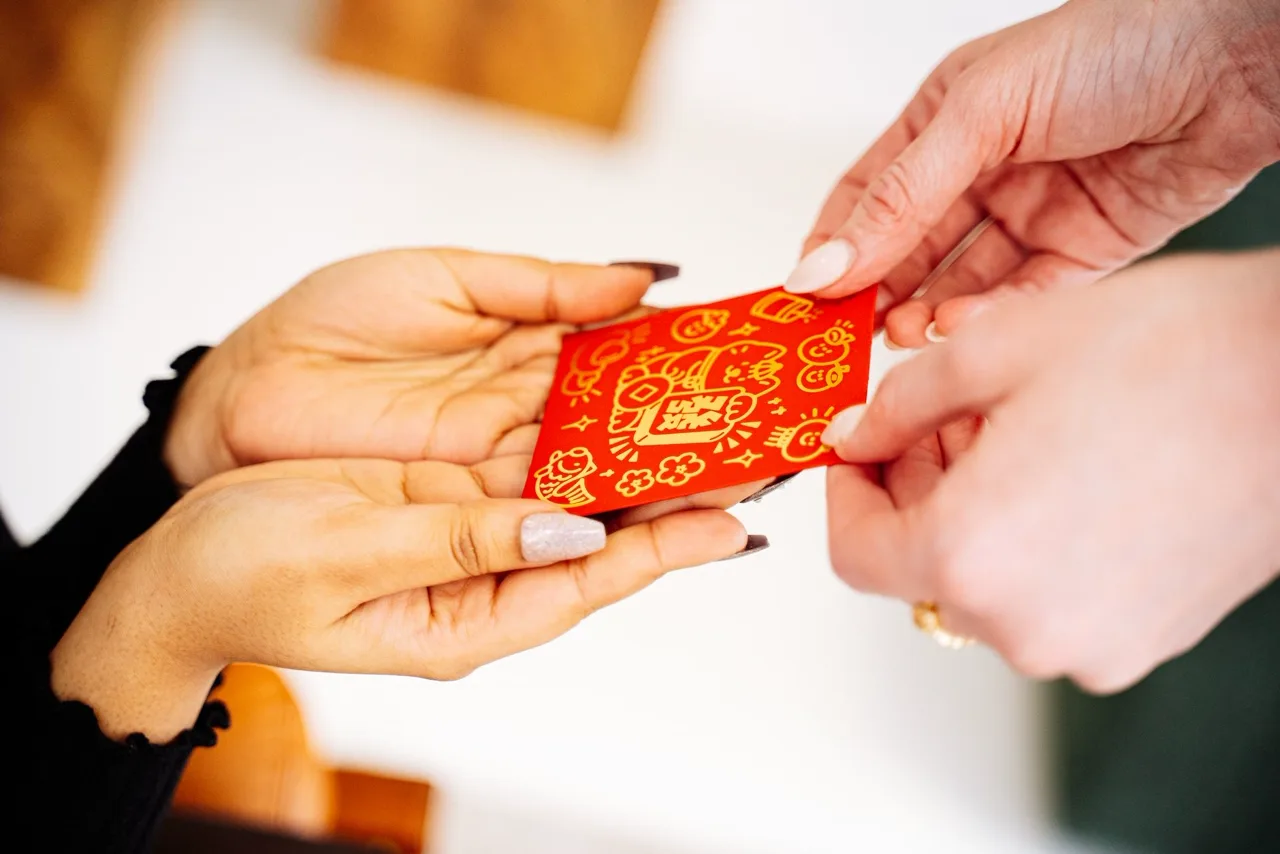
Red envelopes are decorated with gold characters, zodiac animals, flowers, fish, coins, or auspicious phrases. The character Fu, meaning blessing or good fortune, often appears on them. Wedding envelopes may feature double happiness, while New Year envelopes may show the year’s zodiac animal. Even a mass-produced packet can carry layers of symbol.
In recent years, design has become playful. Some envelopes look minimalist, some are cute, and some borrow from pop culture. Companies produce branded hongbao for employees or customers. Families may choose designs that match a child’s interests. Tradition survives partly because it is flexible enough to look new each year.
Digital hongbao
Digital red envelopes have changed the custom without replacing it. On messaging apps, people can send small amounts instantly to relatives, friends, or coworkers. Group hongbao can be random, turning the moment into a quick game. During festivals, phone screens fill with greetings and tiny transfers.
Some people worry that digital hongbao makes the custom too casual. That can happen. But it also helps people maintain ties across distance. A student abroad can receive a New Year blessing from grandparents. Friends can celebrate a birthday even when they are in different cities. The red paper is missing, but the social impulse remains.
How to give thoughtfully
If you are invited to a Chinese wedding, New Year visit, or family event, ask someone local about the expected amount and presentation. Customs differ by region and relationship. Use a clean envelope, write names clearly if needed, and avoid turning the gift into a performance. The best red envelope is generous enough for the occasion and modest enough to feel sincere.
Most of all, remember that the red envelope is a carrier. It carries money, yes, but also timing, color, respect, and words. In Chinese tradition, good fortune is not imagined as a private treasure to hoard. It is something people pass through families and communities. A small red packet becomes a way to say: may the year treat you kindly, and may blessing arrive at your door.