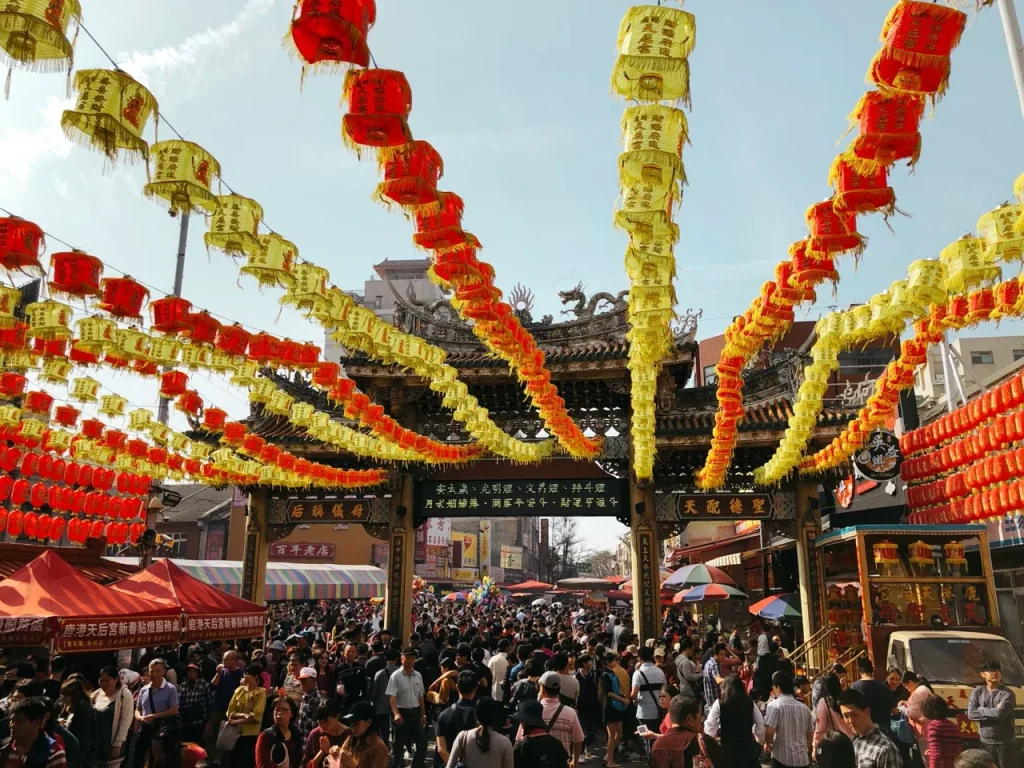
One of the first surprises for many people learning about Chinese festivals is that the dates seem to move. Chinese New Year may fall in late January one year and mid-February the next. Mid-Autumn Festival arrives on the fifteenth day of the eighth lunar month, not on a fixed Western date. Dragon Boat Festival is tied to the fifth day of the fifth lunar month. This shifting pattern can feel confusing, but it is part of what gives the Chinese festival year its rhythm.
The traditional Chinese calendar is lunisolar. It pays attention to the moon, but it also keeps the year aligned with the sun and the seasons. That means festivals are not random floating holidays. They belong to a system that once helped households know when to farm, worship, visit relatives, prepare food, clean the home, and mark changes in weather. Today, people may check dates on a phone instead of reading an almanac, but the old rhythm still shapes family life.
Why the moon matters
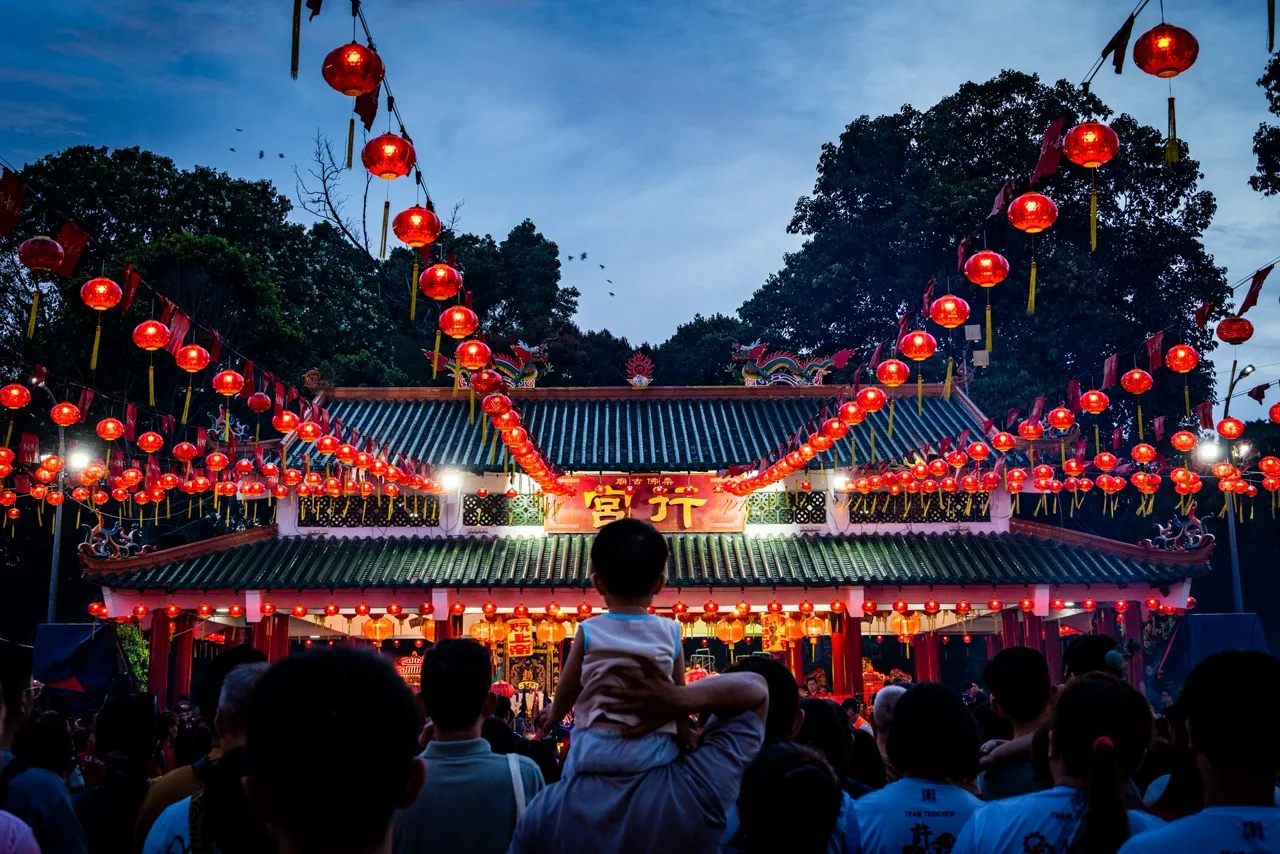
The moon is easy to observe. A new moon begins a lunar month, and a full moon often marks the middle. This is why several Chinese festivals gather emotional force around the fifteenth day, when the moon is round and visible. The round moon naturally suggests reunion, completeness, and shared attention. The Lantern Festival closes the Chinese New Year season on the fifteenth day of the first lunar month, while Mid-Autumn Festival turns the full moon into a symbol of family reunion.
In older village life, moon phases also made practical sense. Night travel, outdoor gatherings, and market activity were easier when moonlight was bright. Festivals were never only symbolic. They had to work for real people moving through real landscapes, carrying food, visiting kin, and lighting paths.
The solar side of the calendar
Although lunar dates are famous, the solar part of the calendar is just as important. The twenty-four solar terms divide the year according to the sun’s position and seasonal change. They mark moments such as the beginning of spring, grain rain, summer heat, white dew, and winter solstice. Farmers used these terms to read the agricultural year, and many seasonal customs grew around them.
This is why Chinese festivals often feel connected to weather and food. Spring celebrations invite renewal. Summer festivals pay attention to heat, insects, water, and health. Autumn customs focus on harvest, gratitude, and the clear moon. Winter rituals turn toward warmth, ancestors, and the return of yang energy. The calendar is not abstract. It tastes like dumplings, zongzi, mooncakes, porridge, tea, and seasonal fruit.
Family time and public time
Modern China uses the Gregorian calendar for work, school, and official life, but traditional festivals still create powerful family time. Spring Festival is the clearest example. Train stations fill, dinner tables expand, and homes are cleaned and decorated because the lunar calendar says a new year is beginning. The date changes on an international calendar, yet the emotional meaning remains steady.
Other festivals are smaller but still meaningful. The fifth day of the fifth lunar month brings Dragon Boat Festival, with zongzi, racing, and old ideas about protection in the heat of early summer. The seventh day of the seventh lunar month carries the romance of Qixi. The ninth day of the ninth month suggests climbing high, chrysanthemum wine, and respect for elders. Each date has a personality.
Why dates are sometimes adjusted
People sometimes ask why the Chinese calendar needs leap months. The reason is simple: twelve lunar months are shorter than a solar year. Without correction, festivals would drift through the seasons. A leap month is inserted from time to time so the lunar months stay in step with the agricultural year. This adjustment is one reason the system can preserve both moon-based festivals and seasonal meaning.
For ordinary families, the astronomy may not matter much. What matters is that the date is announced, travel is planned, and food is prepared. Grandparents may still remember the lunar date by habit. Younger people may rely on calendar apps. The method changes, but the festival arrives.
A living calendar, not a museum piece
The Chinese festival calendar also adapts to modern life. Office workers may celebrate on a weekend near the date. Students may send digital greetings instead of visiting in person. Families separated by distance may eat the same festival food during a video call. City shopping malls decorate for traditional holidays, while museums and cultural centers use the dates to teach craft, music, and history.
Some changes feel commercial, but not all modernization weakens tradition. A child who learns to make a lantern in a community workshop may remember the festival more clearly. A young adult who buys mooncakes for colleagues is still practicing a form of seasonal relationship. A public dragon boat race can turn an old river custom into a shared urban event.
How to follow the year
If you want to understand Chinese festivals, do not memorize dates first. Follow the pattern. Notice which festivals cluster around the new year, which belong to spring outings, which answer summer heat, and which gather families under an autumn moon. Then the calendar becomes less like a list and more like a story of the year.
The deeper lesson is that Chinese festivals are not isolated celebrations. They are connected by a calendar that links sky, season, household, and memory. The dates may move on a Western calendar, but inside Chinese life they land exactly where they should: at moments when people need renewal, protection, remembrance, reunion, or hope.