Dragon Boat Festival: Zongzi, Dragon Boat Racing, and the Story of Qu Yuan
What Is the Dragon Boat Festival?
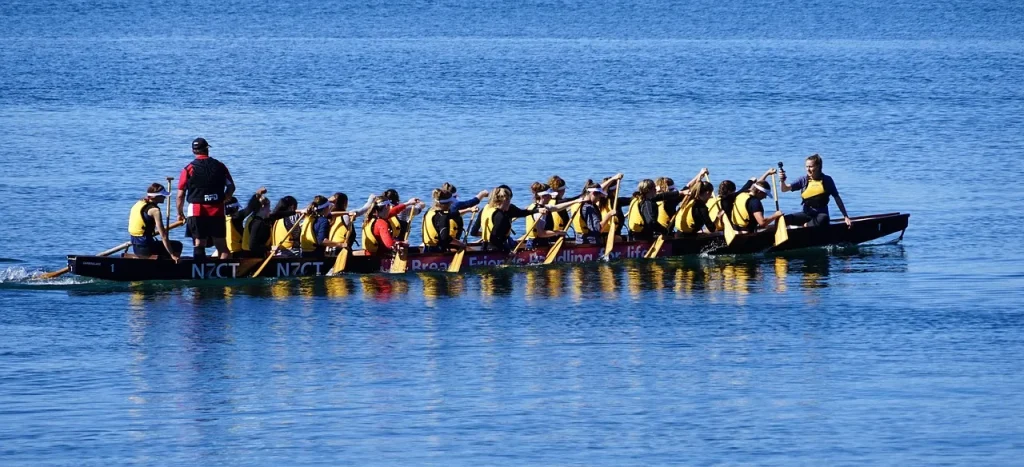
The Dragon Boat Festival, known in Chinese as Duanwu Jie, is celebrated on the fifth day of the fifth lunar month. In the Gregorian calendar it usually falls in May or June. It is one of China’s major traditional festivals and is recognized internationally for two iconic images: long dragon-shaped boats racing across the water, and pyramid-shaped sticky rice dumplings called zongzi.
But the festival is more than a colorful sports event. Duanwu combines ancient summer health customs, river rituals, ancestor and hero remembrance, food traditions, and local community competition. It arrives at a time when the weather becomes hot and humid in much of China. In traditional belief, this season brought insects, disease, and harmful energies, so people used herbs, protective objects, and special foods to guard the household.
For international readers, Dragon Boat Festival is a good example of how Chinese festivals often have several origins at once. The story of the patriotic poet Qu Yuan is the most famous explanation, but the festival also preserves older beliefs about dragons, water, health, and seasonal protection.
The Qu Yuan Legend
The best-known origin story centers on Qu Yuan, a poet and minister of the state of Chu during the Warring States period. Qu Yuan was loyal, talented, and deeply concerned about his country. According to tradition, he warned his king against bad policies and dangerous alliances, but jealous officials slandered him. He was exiled and watched helplessly as Chu declined.
When the capital of Chu fell, Qu Yuan was said to have drowned himself in the Miluo River out of grief and loyalty. Local people rushed out in boats to search for him. They beat drums and splashed the water to scare away fish and evil spirits. They also threw rice into the river so fish would eat the rice instead of his body. These actions are commonly connected to today’s dragon boat races and zongzi.
Whether every detail is historically exact is less important than the cultural meaning. Qu Yuan became a symbol of patriotism, moral courage, and literary greatness. Dragon Boat Festival therefore carries both public and personal emotions: admiration for integrity, sorrow for a loyal man, and hope that virtue will be remembered.
Older Roots: Dragons, Water, and Summer Protection
Many scholars believe Duanwu customs are older than the Qu Yuan legend. The fifth lunar month was traditionally considered dangerous because heat, humidity, insects, and disease increased. People hung medicinal herbs, drank protective wines, wore scented sachets, and performed rituals to drive away harmful forces.
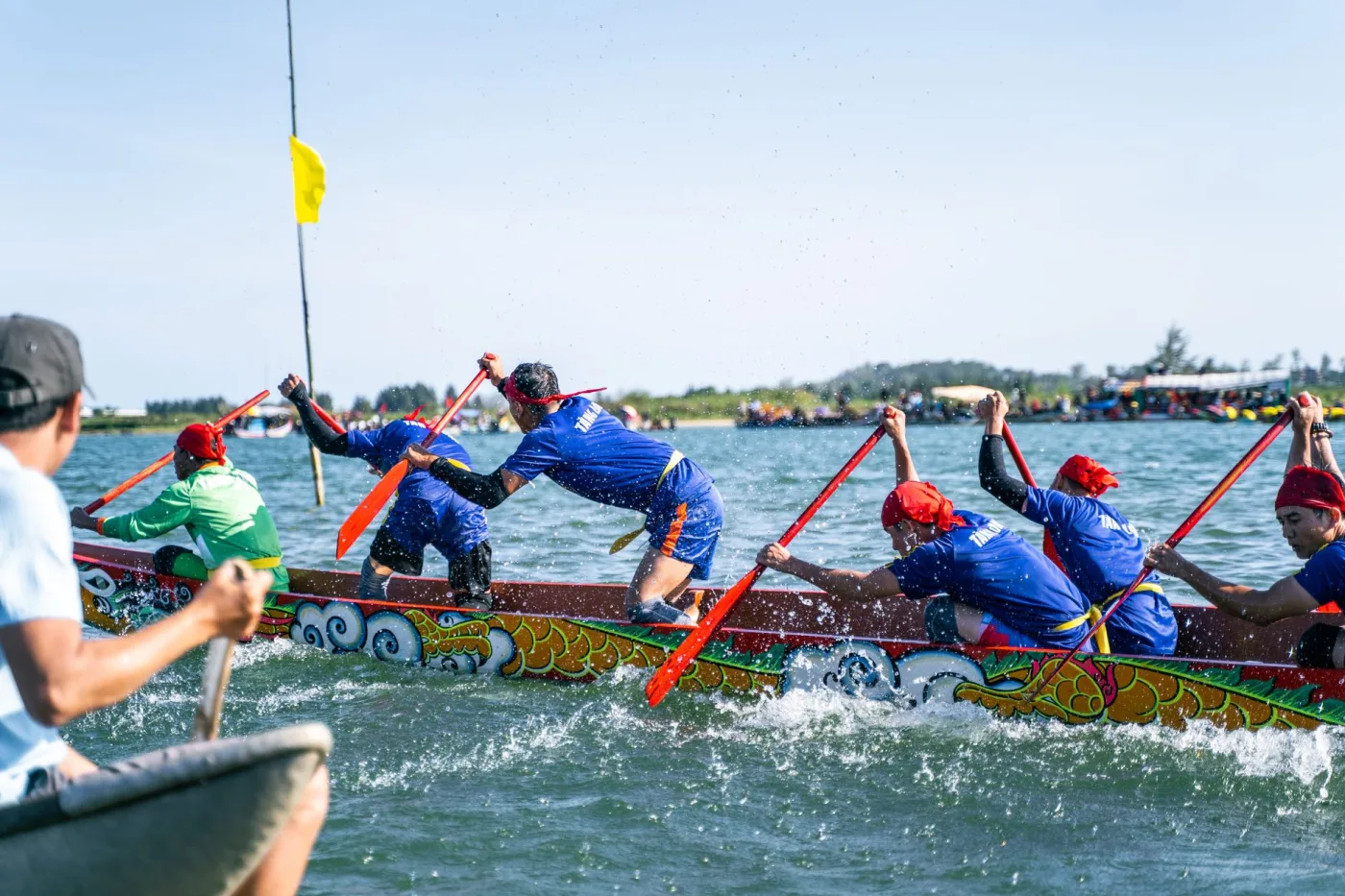
The dragon boat itself may come from ancient dragon worship in southern river regions. Dragons in Chinese culture are strongly associated with water, rain, and power. Racing boats shaped like dragons could have been part of rituals asking for safety, fertility, rainfall, and protection. Over time, these older customs blended with the Qu Yuan story and became the festival known today.
This layered history explains why Duanwu can feel both heroic and practical. It remembers a poet, but it also protects the body and home at the start of summer.
How Ordinary People Celebrate
For many families, the most important part of Dragon Boat Festival is eating zongzi. Zongzi are made from glutinous rice wrapped in bamboo, reed, or other leaves, then boiled or steamed for hours. They can be sweet or savory. Northern versions often include red dates or sweet bean paste, while southern versions may include pork belly, salted egg yolk, mushrooms, chestnuts, or mung beans. Families may make them at home, buy them from markets, or receive them as gifts.
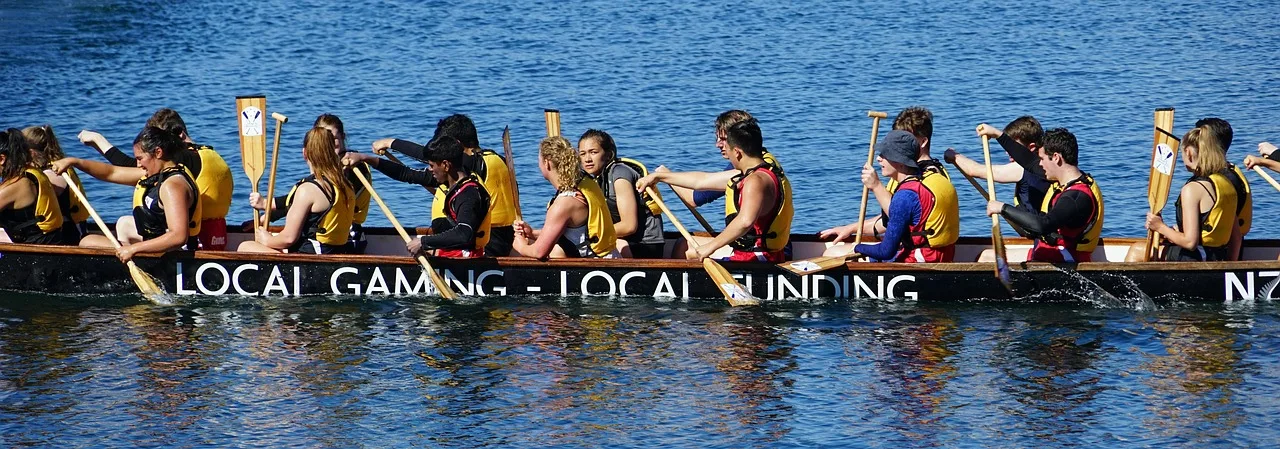
In areas with rivers and strong local traditions, dragon boat races are major community events. Teams train together, boats are decorated with dragon heads and tails, and drummers keep the rowing rhythm. Crowds gather along riverbanks to cheer. The race is exciting, but it also expresses teamwork, local pride, and ritual energy.
Household customs include hanging mugwort and calamus near doors, wearing scented sachets filled with herbs, tying five-color threads around children’s wrists, and pasting protective images. In the past, some adults drank realgar wine, believed to repel poison and evil. Today, because realgar contains arsenic compounds and can be unsafe, this custom is often symbolic or avoided.
Dragon Boat Festival in History
Historically, Duanwu was widely observed across China, though customs varied greatly by region. In the south, where rivers and lakes shaped daily life, boat racing became especially important. In central China, places connected with Qu Yuan, such as areas around the Miluo River, developed strong memorial traditions. In many households, women prepared zongzi and protective sachets, while communities organized public rituals and competitions.
Ancient texts mention the fifth day of the fifth month as a time requiring caution. Children were protected with charms; homes were cleaned and guarded with herbs; people avoided certain taboos. The festival was not merely entertainment. It was a seasonal response to real anxieties about illness and misfortune.
Over the centuries, poets, officials, and local communities continued to reinterpret Duanwu. It became both a festival of popular life and a symbol of Chinese cultural identity. In modern times, dragon boat racing has spread globally through Chinese communities and international sports organizations.
Traditional Foods and Customs
The festival’s food and customs are rich and regionally diverse.
**Zongzi** are the central food. Their shape, wrapping, and filling differ widely. The leaves give the rice a grassy aroma, and the slow cooking makes the texture dense and satisfying.
**Salted duck eggs** are eaten in some regions, especially where summer foods are believed to balance heat and moisture.
**Scented sachets** are small cloth bags filled with aromatic herbs. Children wear them for protection and fragrance.
**Mugwort and calamus** are hung at doors because their strong smell was believed to repel insects and evil influences.
**Five-color threads** represent protective power. Traditionally, they might be removed after the first summer rain and thrown into flowing water.
**Dragon boat racing** combines ritual, sport, and community identity. Even when treated as a modern competition, it still carries symbolic power.
Modern Celebrations
Today, Dragon Boat Festival is a public holiday in mainland China and is celebrated by Chinese communities around the world. Supermarkets sell many varieties of zongzi, from traditional pork and red date versions to luxury gift boxes and creative flavors. Families may no longer wrap zongzi together every year, but the smell of bamboo leaves still strongly marks the season.
Dragon boat races are now organized as cultural events, tourist attractions, and international competitions. Cities such as Hong Kong, Guangzhou, and many overseas Chinese communities host races that attract both Chinese and non-Chinese participants. This global spread has made the festival one of the most visible Chinese traditions abroad.
At the same time, public health awareness has changed some customs. Realgar wine is rarely consumed in the old way. Fire safety, environmental rules, and urban living have also altered household practices. Many people hang herbs or wear sachets mainly as cultural symbols rather than literal protection.
Historical and Modern Differences
In the past, Duanwu was closely connected with seasonal danger. People genuinely feared disease, poison, insects, and evil influences during the fifth lunar month. Protective customs were not decorative; they were part of household survival and belief. Today, modern medicine and urban lifestyles have changed those fears. People may still enjoy the customs, but often with a lighter attitude.
Food production has also changed. Making zongzi used to be a labor-intensive family activity. Now many people buy ready-made zongzi, including frozen, vacuum-packed, or gift-box versions. Dragon boat racing has shifted from ritual and local competition toward organized sport and cultural tourism, though local pride remains strong.
What has not changed is the festival’s emotional structure: memory, protection, food, and community. Duanwu still asks people to remember integrity, gather with family, and welcome summer with strength.
Tips for Foreign Readers
If you try zongzi for the first time, ask whether it is sweet or savory before adding sugar or sauce. Regional preferences can be strong, and people often joke about which version is “correct.” When watching dragon boat races, notice the drummer, who sets the rhythm, and the dragon head, which turns the boat into more than a racing shell.
It is also useful to know that Dragon Boat Festival is not only “the Qu Yuan holiday.” The Qu Yuan story is central, especially in education, but the festival’s older summer customs explain the herbs, sachets, and protective practices. To understand Duanwu fully, see it as a festival of water, heat, health, loyalty, and collective energy.