Shang Yuan Festival: The Lantern Festival in Chinese Culture
• Search: “tangyuan sweet rice balls Lantern Festival”
• Search: “Chinese lantern riddles Lantern Festival”
• Search: “Qinhuai Lantern Festival Nanjing”
What Is Shang Yuan Festival?
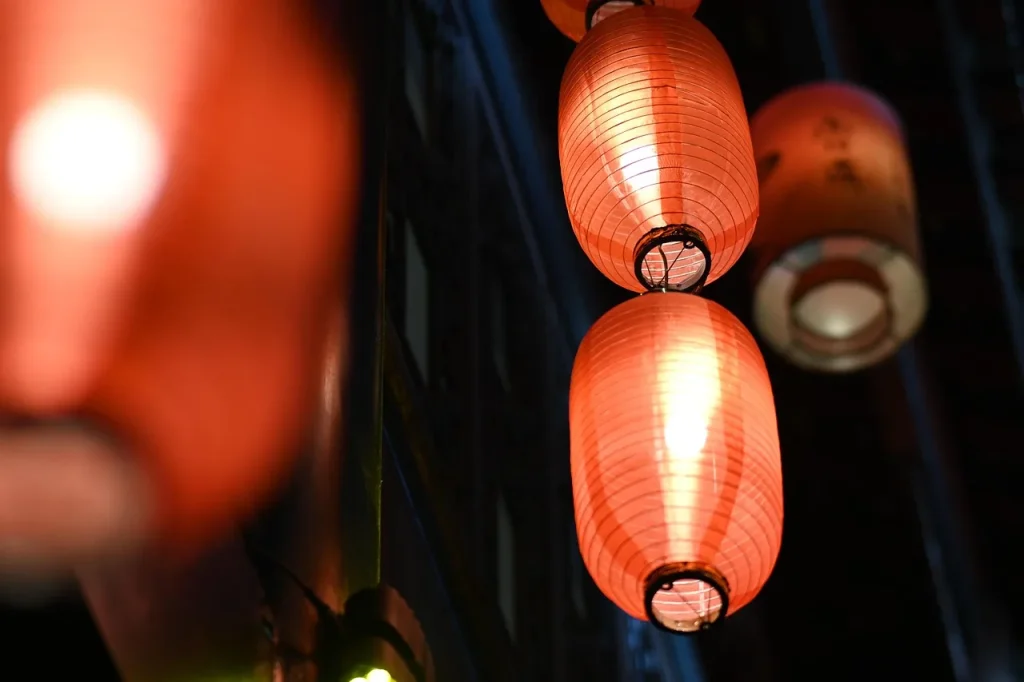
The festival is famous for lanterns, lantern riddles, sweet glutinous rice balls, family gatherings, and public night celebrations. If Chinese New Year’s Eve is centered on the family dinner table, Lantern Festival opens the celebration into streets, parks, temples, and riversides lit by glowing lanterns.
The name Shang Yuan comes from Daoist tradition. The year was divided into three “Yuan” festivals: Shang Yuan, Zhong Yuan, and Xia Yuan. Shang Yuan, the “Upper Prime,” became associated with the fifteenth day of the first lunar month. In popular life, however, most people simply call the day Yuanxiao Jie or Lantern Festival.
Traditional Origins
The Lantern Festival has several layers of origin. One layer is connected to ancient fire and light rituals. The first full moon of the new year was a powerful symbol: darkness was leaving, spring was approaching, and the year’s first cycle of renewal was complete.
Another layer is Buddhist. Historical accounts often link the spread of lantern lighting to the Eastern Han period, when Buddhist practices of lighting lamps to honor the Buddha influenced court and urban customs. Over time, lantern viewing became a public celebration.
Daoist beliefs also shaped the name Shang Yuan. The day was associated with the Heavenly Official, who bestows blessings. Lighting lanterns, making offerings, and praying for good fortune fit naturally into this religious and seasonal framework.
By the Tang and Song dynasties, Lantern Festival had become one of the most lively nights of the year. Cities held grand lantern displays, markets stayed open, music and dance filled the streets, and people who were usually restricted by social rules could go out at night to enjoy the spectacle.
How Ordinary People Celebrate
For ordinary families, Lantern Festival usually means eating yuanxiao or tangyuan, enjoying lanterns, and celebrating the end of the New Year season. Yuanxiao and tangyuan are both round glutinous rice balls, often filled with sweet sesame, peanut, red bean, or other fillings. The round shape symbolizes family unity and completeness.
In northern China, the food is often called yuanxiao and traditionally made by rolling filling pieces in dry glutinous rice flour until a ball forms. In southern China, tangyuan are more often made by wrapping filling with a soft rice-flour dough. The distinction is not absolute, but it is a familiar north-south cultural contrast.
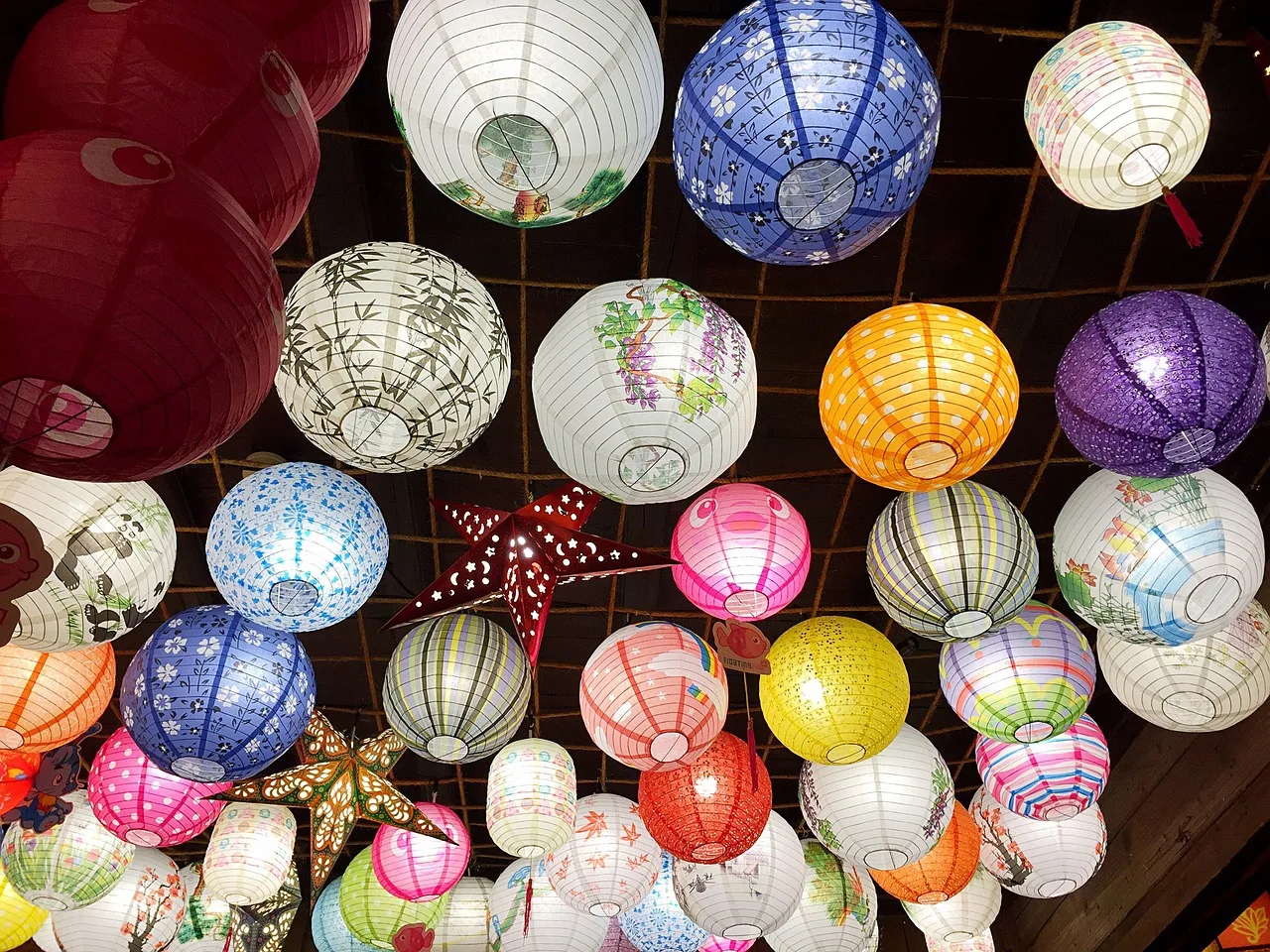
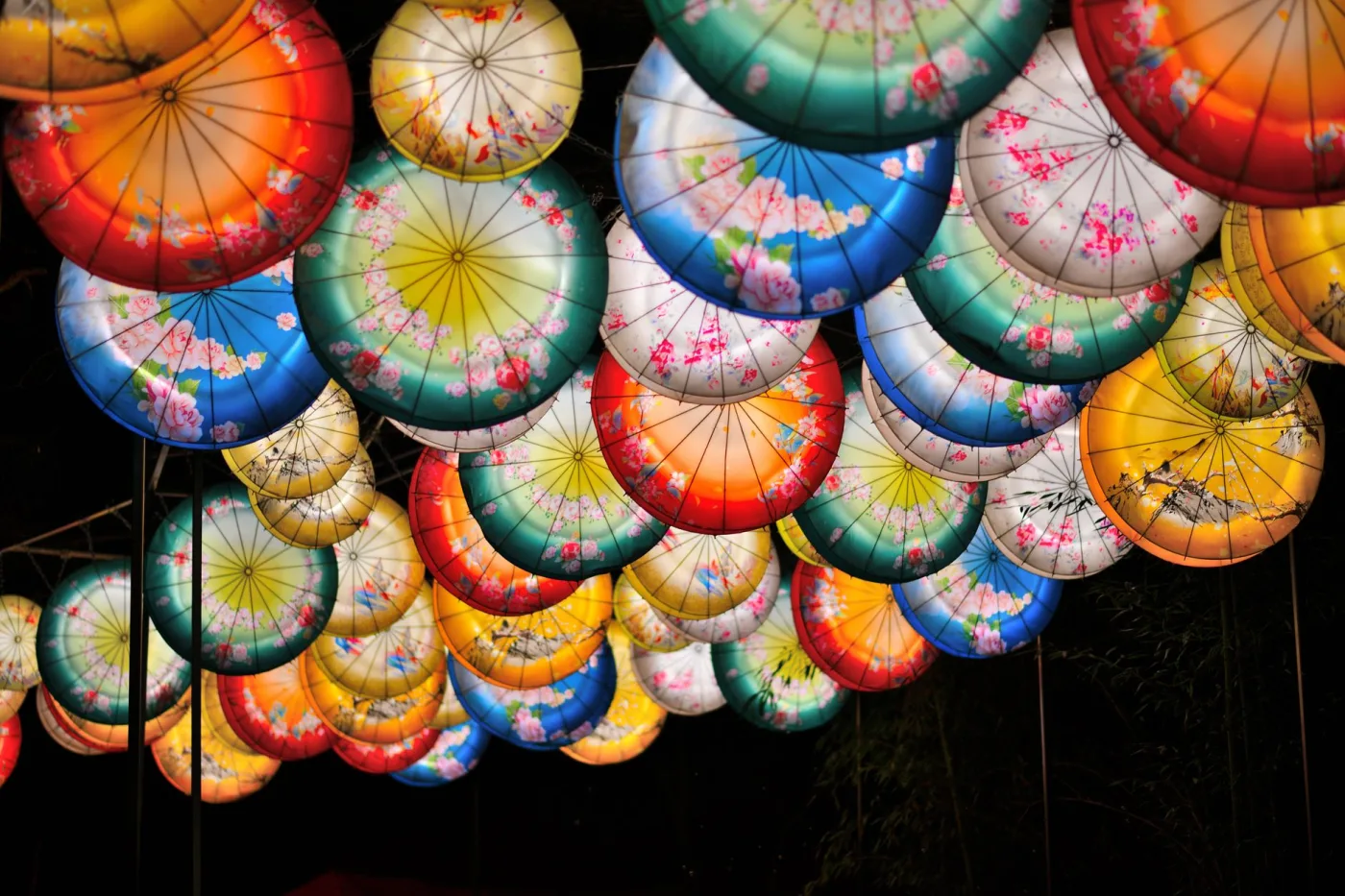
Lantern viewing is another key custom. Families may visit lantern fairs where lanterns take the shapes of animals, zodiac signs, flowers, historical figures, modern cartoon characters, or famous landmarks. Children may carry small lanterns. In some places, people write wishes or riddles on lanterns.
Guessing lantern riddles, cai deng mi (猜灯谜), is a beloved activity. A riddle is written on a strip of paper attached to a lantern, and visitors try to solve it. The custom combines play, literacy, humor, and social interaction.
How the Festival Was Celebrated Historically
In imperial times, Lantern Festival was unusually public and romantic. Curfews were sometimes relaxed, allowing people to walk through city streets at night. Lantern displays could last several nights. Poetry from the Tang and Song dynasties describes bright lamps, music, crowds, and young people glimpsing one another in the festive streets.
This is why the Lantern Festival is sometimes compared to a traditional Chinese Valentine’s Day, although that comparison is only partial. In societies where young women’s public movement was often limited, a night lantern fair gave rare opportunities for social contact. Literature and opera used the festival as a setting for meetings, longing, and romance.
Temples, markets, and government-sponsored displays all contributed to the atmosphere. Wealthy families and official institutions might sponsor elaborate lanterns, while everyday families enjoyed the public beauty. The festival belonged to the city and community as much as to the household.
Modern Lantern Festival
Today, Lantern Festival remains popular across China, though its form varies. Cities organize lantern fairs in parks, old streets, scenic areas, and cultural heritage zones. Some displays are highly artistic and large-scale, using traditional craftsmanship, electric lights, and modern themes.
Families still eat tangyuan or yuanxiao at home. Supermarkets sell frozen versions with classic and new fillings, including black sesame, rose, chocolate, fruit, and custard. Restaurants may offer special desserts. Television programs and short-video platforms feature lantern shows, folk performances, and festival greetings.
In rural areas and smaller towns, local customs can be especially vivid. There may be dragon dances, lion dances, stilt walking, land-boat dances, yangge folk dance, drum performances, temple activities, or community parades. Some regions have spectacular fire-related customs, though safety rules have reduced or transformed many of them.
Historical and Modern Differences
Historically, Lantern Festival was one of the rare nights when urban public life became especially free and festive. The excitement came from lamps, crowds, poetry, music, and the temporary loosening of restrictions. Modern cities have more nightlife all year, so the festival is less socially unique, but lantern displays still create a special atmosphere.
Technology has also changed the lantern itself. Traditional lanterns were made of paper, silk, bamboo, wood, and candles or oil lamps. Modern lanterns may use LEDs, metal frames, projection mapping, and large installations. The craft remains, but the scale and materials have changed.
Food has changed too. Tangyuan that once required household labor are now easy to buy frozen. This makes the festival convenient, but it can reduce the sense of collective preparation. On the other hand, it allows busy families to preserve the custom.
Common Foods and Customs
Key foods and customs include:
• **Tangyuan or yuanxiao:** Round rice balls symbolizing reunion and completeness.
• **Lantern viewing:** Public or private appreciation of decorative lanterns.
• **Lantern riddles:** Wordplay and puzzles attached to lanterns.
• **Dragon and lion dances:** Performed in many communities for energy and luck.
• **Folk performances:** Stilt walking, drums, yangge dance, and regional parades.
• **Prayers for blessing:** In temples or at home, depending on family practice.
The festival’s round moon and round food are both important. They suggest wholeness, reunion, and the completion of the New Year cycle.
A Note for Foreign Readers
For international readers, Lantern Festival is the bright public finale of Chinese New Year. It is not only about lanterns as decorations; it is about light after winter, community after family reunion, and the first full moon of a renewed year.
If you are in China during the festival, look for local lantern fairs rather than only major tourist sites. Smaller neighborhood events can be just as meaningful. Try tangyuan carefully — the filling can be very hot when freshly cooked. If you see lantern riddles, ask a local friend to explain them; many depend on Chinese characters, puns, and cultural references.
The spirit of Shang Yuan Festival is joyful, visual, and poetic. It closes the New Year season not with silence, but with light: lanterns in the street, a full moon overhead, and round sweet dumplings shared at home.