Mid-Autumn Festival: Mooncakes, Family Reunions, and the Chinese Moon
What Is the Mid-Autumn Festival?
The Mid-Autumn Festival, also called the Moon Festival, is one of the most beloved traditional holidays in China. It falls on the 15th day of the eighth month of the Chinese lunar calendar, when the moon is believed to be at its roundest and brightest. In the Gregorian calendar, this usually means September or early October.
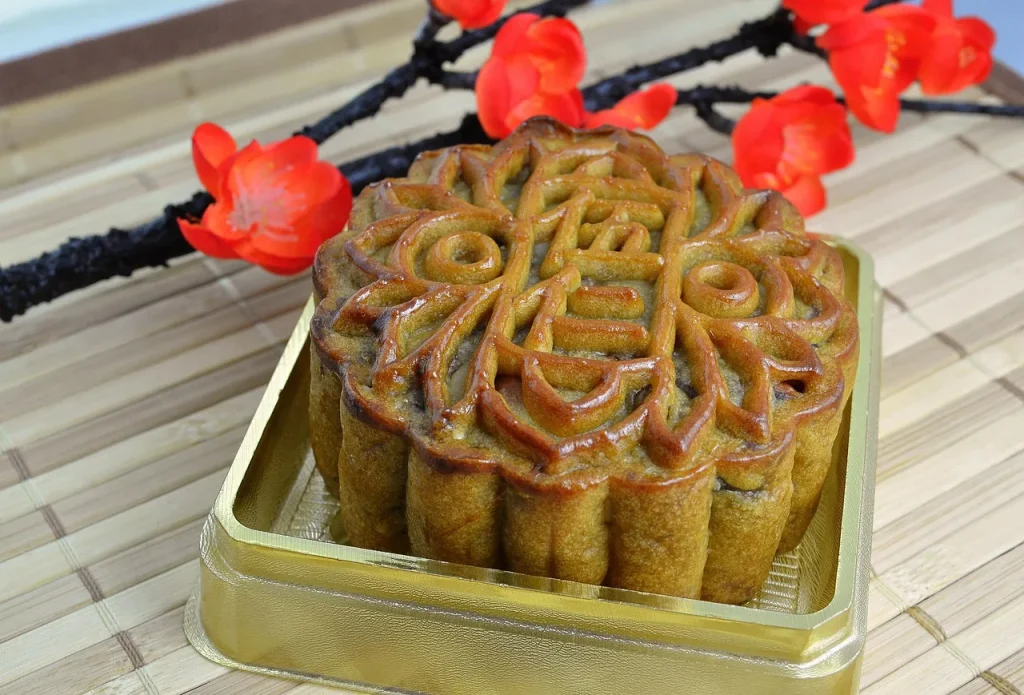
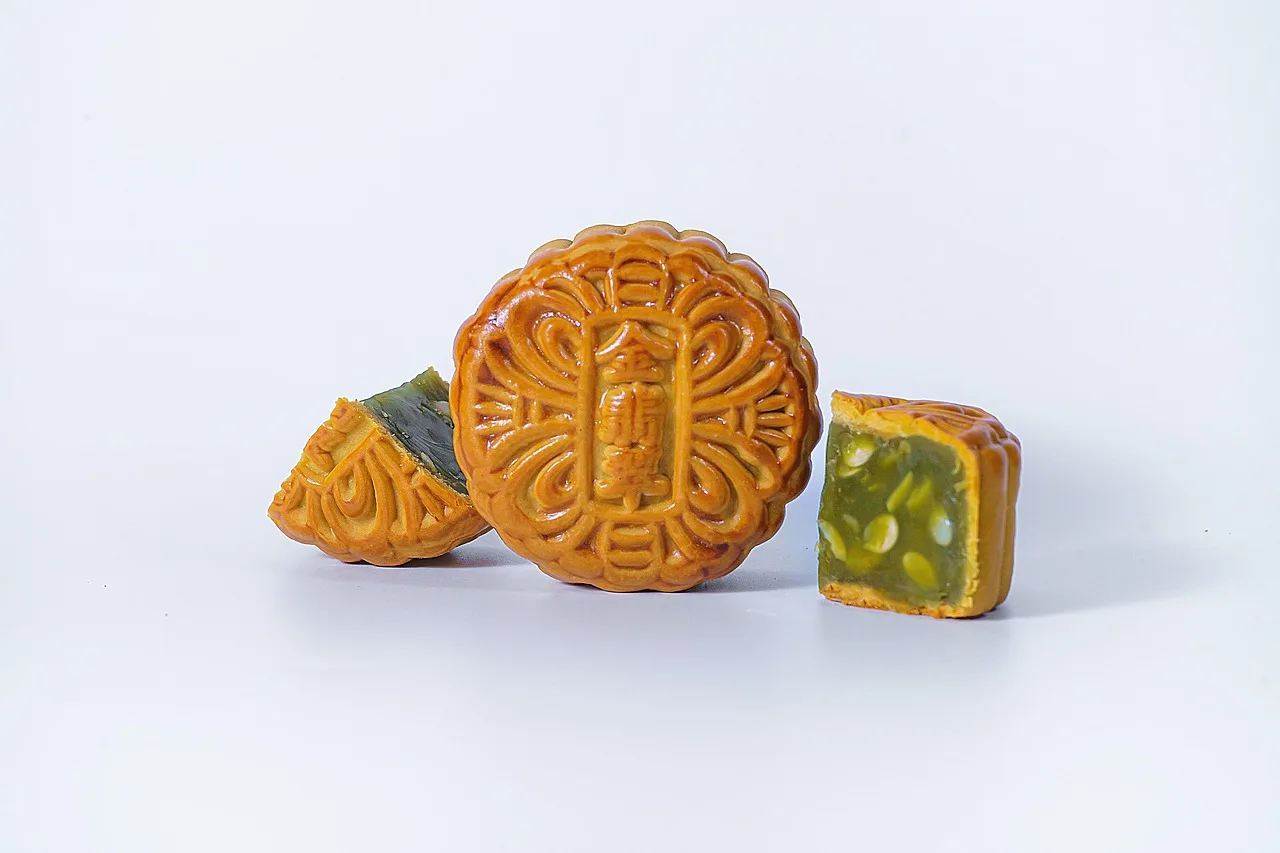
For Chinese families, the festival is strongly connected with reunion. A round full moon symbolizes completeness, togetherness, and the hope that loved ones, even if separated by distance, can look up at the same moon. The best-known festival food is the mooncake, a rich round pastry that can be filled with lotus seed paste, red bean paste, salted egg yolk, nuts, ham, fruit, or newer flavors such as chocolate, coffee, and ice cream.
Although many visitors first notice the beautiful lanterns and mooncake gift boxes, the emotional center of the holiday is simple: people miss home, gather with family when possible, and express wishes for peace and wholeness.
Traditional Origins and Legends
The Mid-Autumn Festival grew from ancient Chinese customs of honoring the moon. Long before it became a popular family holiday, rulers and communities held seasonal rituals to thank the heavens for harvests and to pray for balance between nature and human life. The eighth lunar month was a time when crops were gathered, nights became cooler, and the moon seemed especially clear.
The most famous legend is the story of Chang’e, the moon goddess. Versions differ, but a common telling says that the archer Hou Yi saved the world by shooting down nine of ten suns that scorched the earth. As a reward, he received an elixir of immortality. Chang’e, his wife, drank the elixir under difficult circumstances and floated up to the moon, where she lived apart from Hou Yi. On the night of the full moon, Hou Yi placed her favorite foods in the courtyard and looked toward the sky in longing. Over time, people associated the festival with this bittersweet story of love, separation, and remembrance.
Another popular figure is the Jade Rabbit, said to live on the moon pounding medicine. Children often hear stories of Chang’e and the rabbit during the festival, making the moon feel not like a distant planet, but like a place of imagination and tenderness.
How Ordinary People Traditionally Celebrated
Among ordinary families, the festival was not only a grand ritual but also a warm evening at home. People prepared fruits, cakes, tea, incense, and sometimes flowers on a table facing the moon. After a simple offering, family members shared the food. Seasonal fruits such as pomelos, grapes, pears, and melons were common because their shapes and names carried lucky meanings.
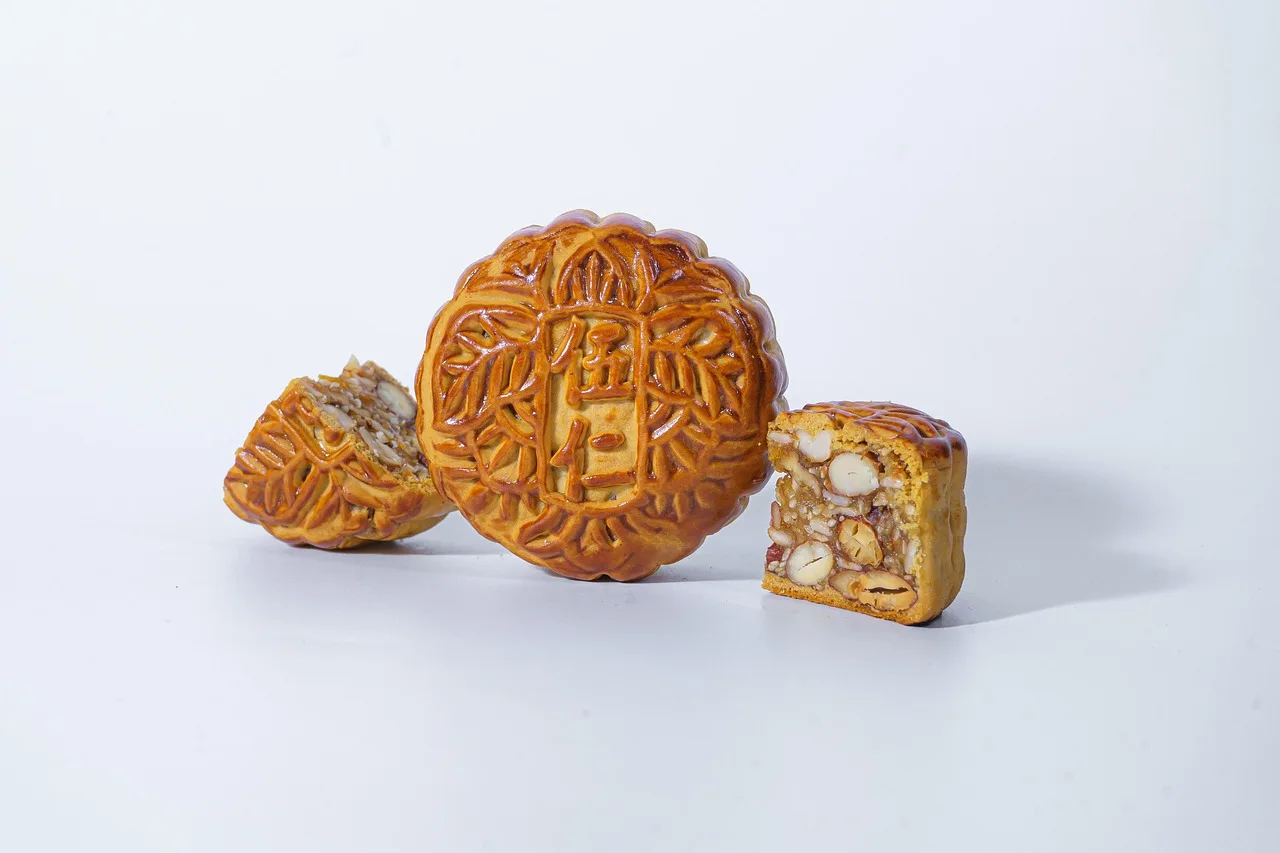
Mooncakes were divided into pieces and shared among family members. The act of cutting and eating one round cake together reinforced the idea that the family belonged to one circle. Children played with lanterns, listened to stories, and watched adults admire the moon. In some regions, people burned incense towers, carried rabbit-shaped lanterns, or performed local dances.
For people who worked away from home, the festival could be emotional. Classical Chinese poems often use the autumn moon to express homesickness. A person traveling in another province might not be able to return, but by looking at the same moon as their family, they felt connected across distance.
How It Was Celebrated in History
By the Tang and Song dynasties, moon viewing had become fashionable among scholars, officials, and urban residents. Poets wrote famous lines about the autumn moon, wine, friendship, and longing. Banquets, music, and poetry gatherings were common among educated elites.
During later dynasties, mooncakes became more closely tied to the festival. Stories say that messages were once hidden in mooncakes during resistance movements, though historians debate the details. Whether or not the story is literally true, it shows how strongly mooncakes became associated with shared identity and secret communication.
The festival also developed regional variety. In southern China, lantern displays could be especially lively. In parts of Guangdong and Hong Kong, fire dragon dances became part of local Mid-Autumn culture. In Suzhou and Hangzhou, gardens and lakes were favorite places for moon viewing. In rural villages, the festival remained connected to harvest gratitude and ancestral memory.
How People Celebrate Today
Today, the Mid-Autumn Festival is a public holiday in mainland China and is also widely observed in Hong Kong, Macau, Taiwan, Singapore, Malaysia, Vietnam, and Chinese communities around the world. Many people try to travel home, though shorter holidays and modern work schedules mean not everyone can do so.
Mooncakes are everywhere before the festival. Supermarkets, bakeries, hotels, tea brands, and restaurants sell them in elaborate boxes. Companies often give mooncakes to clients and employees. Families exchange them as gifts, sometimes weeks before the actual holiday. Traditional fillings remain popular, but modern consumers also buy low-sugar mooncakes, snowy skin mooncakes, lava custard mooncakes, and creative regional styles.
Urban celebrations may include lantern fairs, cultural performances, shopping mall displays, and riverside moon-viewing events. Many families now celebrate with a restaurant dinner rather than cooking everything at home. Younger people may post moon photos on social media, send digital greetings, or buy single-serving mooncakes instead of large boxes.
Historical and Modern Differences
The biggest difference between historical and modern celebrations is commercialization. In the past, offerings and homemade foods mattered more than packaging. Today, mooncakes can be luxury gifts, and some gift boxes are more expensive than the cakes inside. This has caused debates about waste, status, and the original meaning of the holiday.
Another change is mobility. Historically, many people lived near extended family. Today, students and workers may live far from their hometowns. The festival still expresses reunion, but reunion may happen by video call, online message, or a shared photo of the moon.
At the same time, the emotional core has survived. People still think of family, the full moon, and the passing of seasons. Even modern celebrations often include tea, fruit, and moon watching, proving that a traditional festival can adapt without losing its soul.
Common Foods and Customs
Mooncakes are the symbolic food, but the festival table can include much more. Pomelo is common in southern China because it is seasonal and its name sounds lucky in some dialects. Duck is eaten in certain regions. Taro, lotus root, chestnuts, and osmanthus-flavored foods may appear, especially because they fit the autumn harvest season.
Customs include moon viewing, lighting lanterns, telling the Chang’e story, giving mooncakes, drinking tea, and gathering for dinner. In some places, people enjoy osmanthus wine or desserts scented with osmanthus flowers. Children’s lanterns may be shaped like rabbits, fish, stars, or cartoon characters.
Tips for Foreign Readers
To understand the Mid-Autumn Festival, remember that the moon is not just decoration. In Chinese culture, the round moon is a poetic symbol of family unity and emotional longing. Mooncakes are not only desserts; they are gifts, social gestures, and carriers of memory.
If you are invited to a Mid-Autumn gathering, bringing a box of mooncakes, tea, or fruit is usually appropriate. Do not worry if mooncakes taste rich or unfamiliar at first. They are meant to be sliced into small pieces and shared with tea, not eaten like a large Western pastry.
Most importantly, the festival is about looking up. Whether in a village courtyard, a city apartment, or a foreign country, people pause for a moment to see the same moon and think of the people who make life complete.