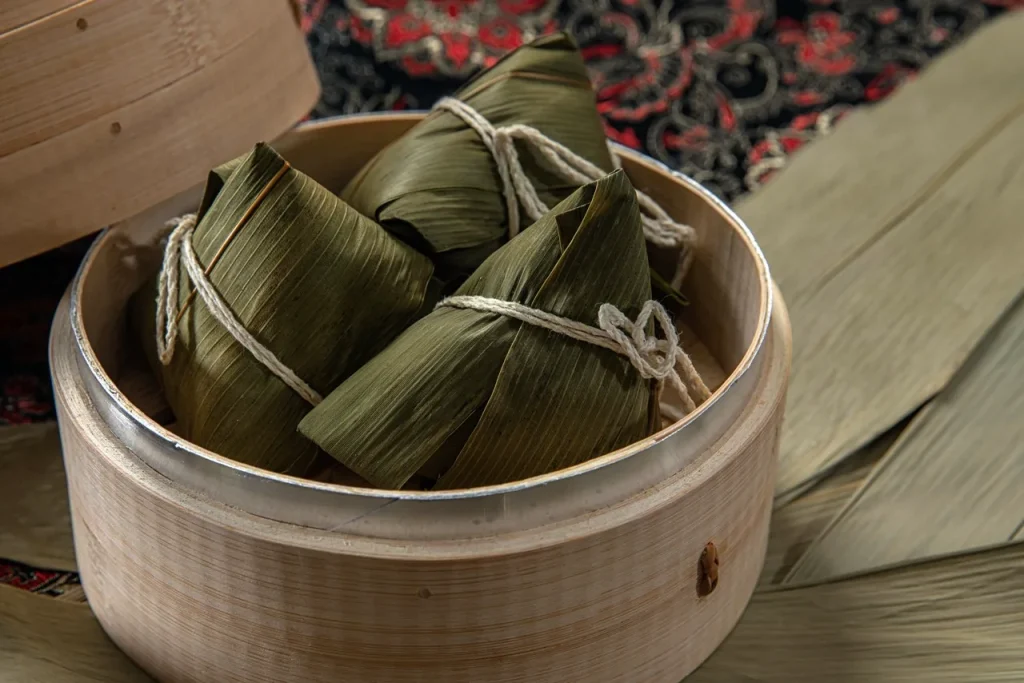
Dragon Boat Festival is famous for racing boats, beating drums, and cheering crowds along rivers. Yet for many Chinese families, the festival begins before anyone reaches the water. It begins in kitchens, markets, apartment corridors, and small acts of preparation: soaking glutinous rice, buying bamboo leaves, tying herb bundles, choosing colorful sachets for children, and checking the lunar date on a calendar.
The festival falls on the fifth day of the fifth lunar month. That timing matters. Early summer can bring heat, insects, humidity, and illness, so many customs are connected with protection and health. The racing is dramatic, but the household side of the festival is quieter and equally revealing.
The kitchen work of zongzi
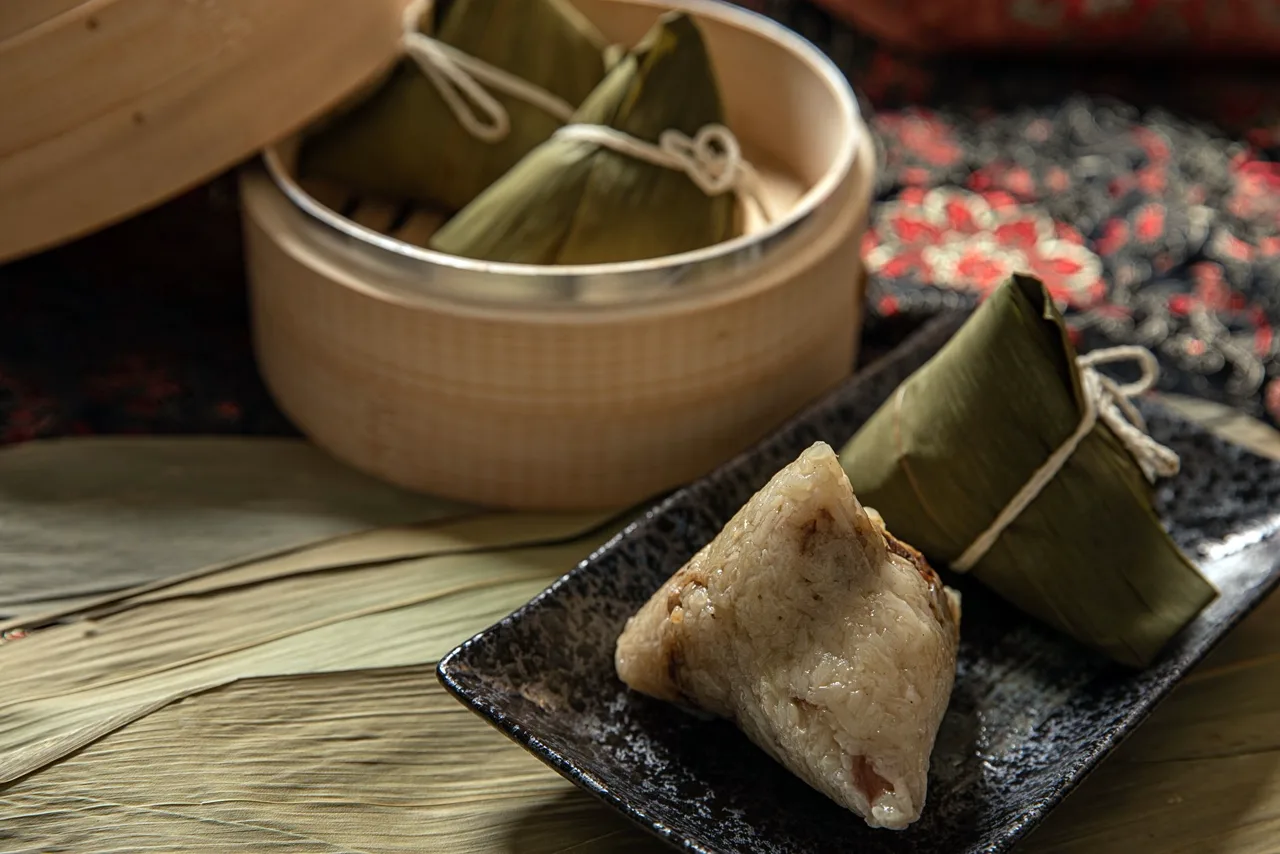
Zongzi are the festival food most people know. They are made by wrapping glutinous rice and fillings in leaves, then boiling or steaming the parcels until fragrant. Fillings vary widely. In some regions, people prefer pork belly, salted egg yolk, mushrooms, or beans. Elsewhere, sweet versions with red bean paste, dates, or plain sticky rice are common.
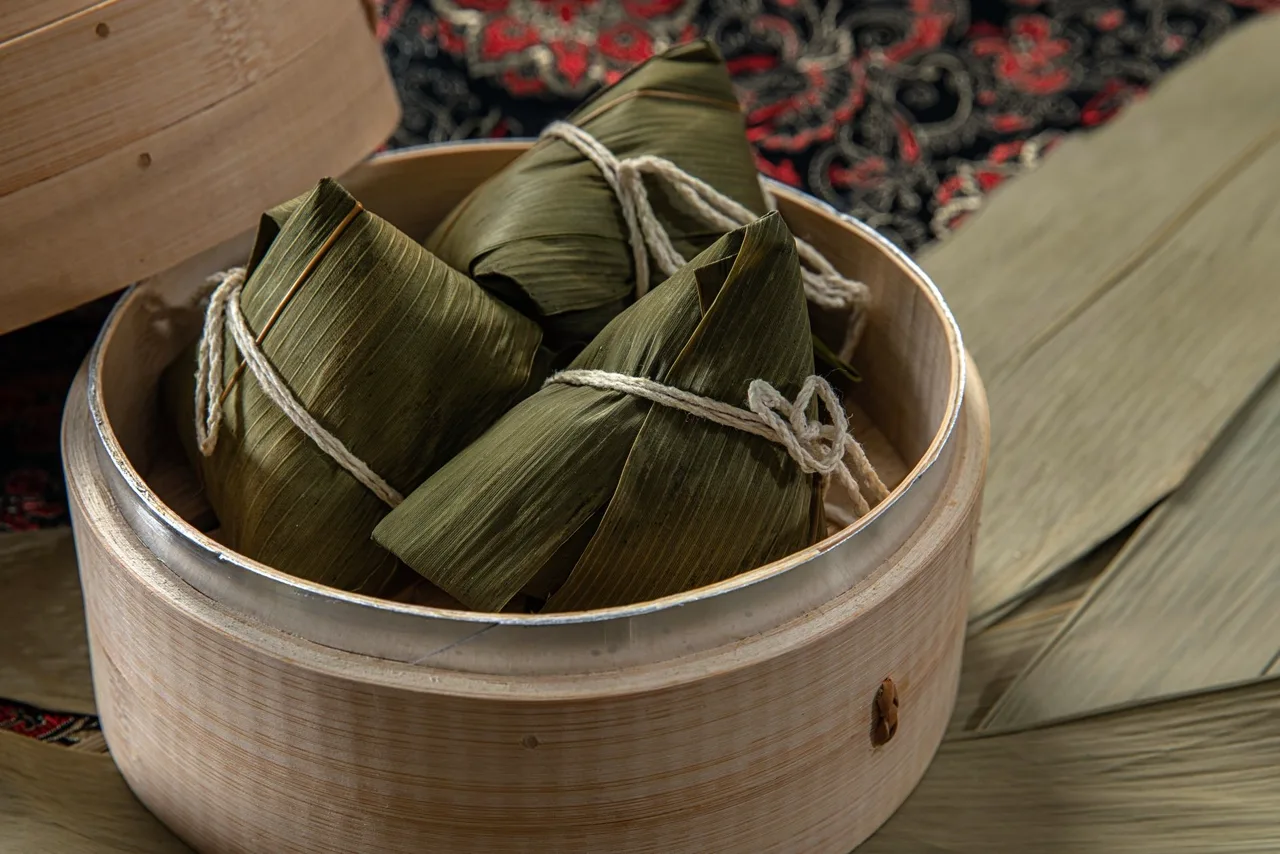
The preparation takes time. Leaves must be washed and softened. Rice may be soaked. Fillings are seasoned. Someone with practiced hands folds the leaves into a pocket, fills it, closes the shape, and ties it tightly with string. Children may help, or at least hover nearby. A kitchen full of zongzi smells leafy, warm, and slightly grassy. It is festival atmosphere before the festival officially begins.
Family recipes and regional pride
People often have strong opinions about zongzi. Should they be sweet or savory? Should the rice be dark with soy sauce or pale and clean? Should the shape be triangular, long, square, or cone-like? These arguments are usually friendly, but they show how regional food habits become part of identity.
In that sense, zongzi belong with other everyday foods that carry memory, from breakfast buns to a bowl of baozi and mantou at a morning stall. A festival dish does not need to be fancy to be meaningful. It needs to be repeated, shared, and remembered by the hands.
Herbs at the doorway
Another traditional preparation is hanging aromatic plants such as mugwort and calamus near doors. The sharp scent is associated with driving away insects and harmful influences. In older homes, these plants marked the household as protected during a season considered risky. Today, the practice may be symbolic, practical, decorative, or nostalgic depending on the family.
Even when people no longer explain the custom in the old language, the action can feel right. A bundle of herbs at the door says that the season has changed and the home is being cared for. Chinese festivals often work this way. They translate large ideas into visible household gestures.
Sachets for children
Children may wear small fragrant sachets during Dragon Boat Festival. These pouches can be embroidered, brightly colored, and filled with aromatic herbs. They are cute, but they also belong to the festival’s protective logic. Parents and grandparents give them as wishes for health and safety.
Modern sachets may be bought online, made in school craft activities, or received at community events. Some are shaped like animals, gourds, hearts, or tiny dumplings. The style changes, but the feeling is old: adults using scent, color, and handwork to protect the young.
Where the boat race fits
The race remains the public climax. Dragon boats turn the festival outward. Teams train, drums set the rhythm, paddles strike the water, and spectators gather. The racing tradition is often linked to the poet Qu Yuan, though the festival’s roots are broader and older than one story. If you want the larger background, TodayChinese has a full guide to the Dragon Boat Festival and its legends.
What matters here is that public excitement and private preparation support each other. Without zongzi, herbs, and family visits, the race would feel like a sports event only. Without the race, the household customs might feel too quiet. Together they make the festival complete.
Following the lunar rhythm
Because the festival follows the lunar calendar, its Western date changes each year. That moving date connects it to the broader rhythm explained in Chinese festival calendars. Dragon Boat Festival is not just “sometime in summer.” It arrives at a particular seasonal moment, when heat is rising and protective customs feel meaningful.
For visitors or language learners, this is the best way to understand the holiday. Do not look only for the race photo. Notice the shopping list, the leaf bundles, the old recipe, the child’s sachet, the grandmother who insists the string must be tied properly. The festival lives in these details. Long before the boats reach the river, Dragon Boat Festival has already begun at home.