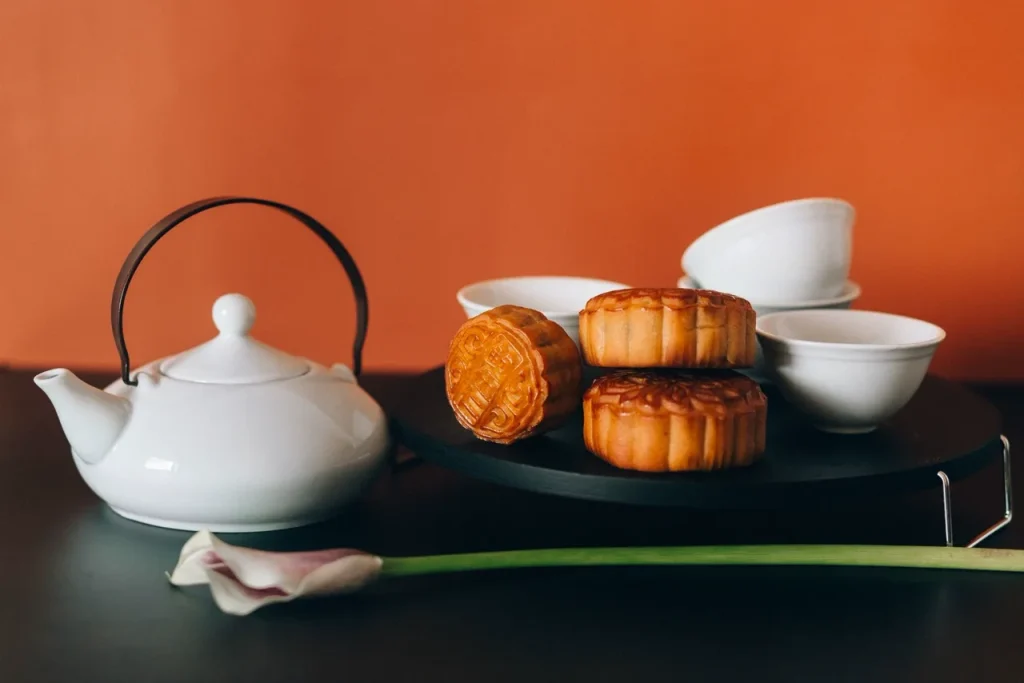
A mooncake is small enough to fit in one hand, yet it carries a large amount of feeling. Around Mid-Autumn Festival, mooncakes appear in bakeries, hotel gift boxes, supermarket displays, office deliveries, family tables, and late-night tea conversations. People may debate fillings, prices, packaging, and calories, but the pastry remains one of the clearest symbols of reunion in Chinese festival life.
Mid-Autumn Festival falls on the fifteenth day of the eighth lunar month, when the full moon is traditionally associated with family togetherness. Mooncakes echo that roundness. Their shape, name, and timing all point toward the same idea: people separated by work, study, or distance look at the same moon and think of home.
A pastry shaped by reunion
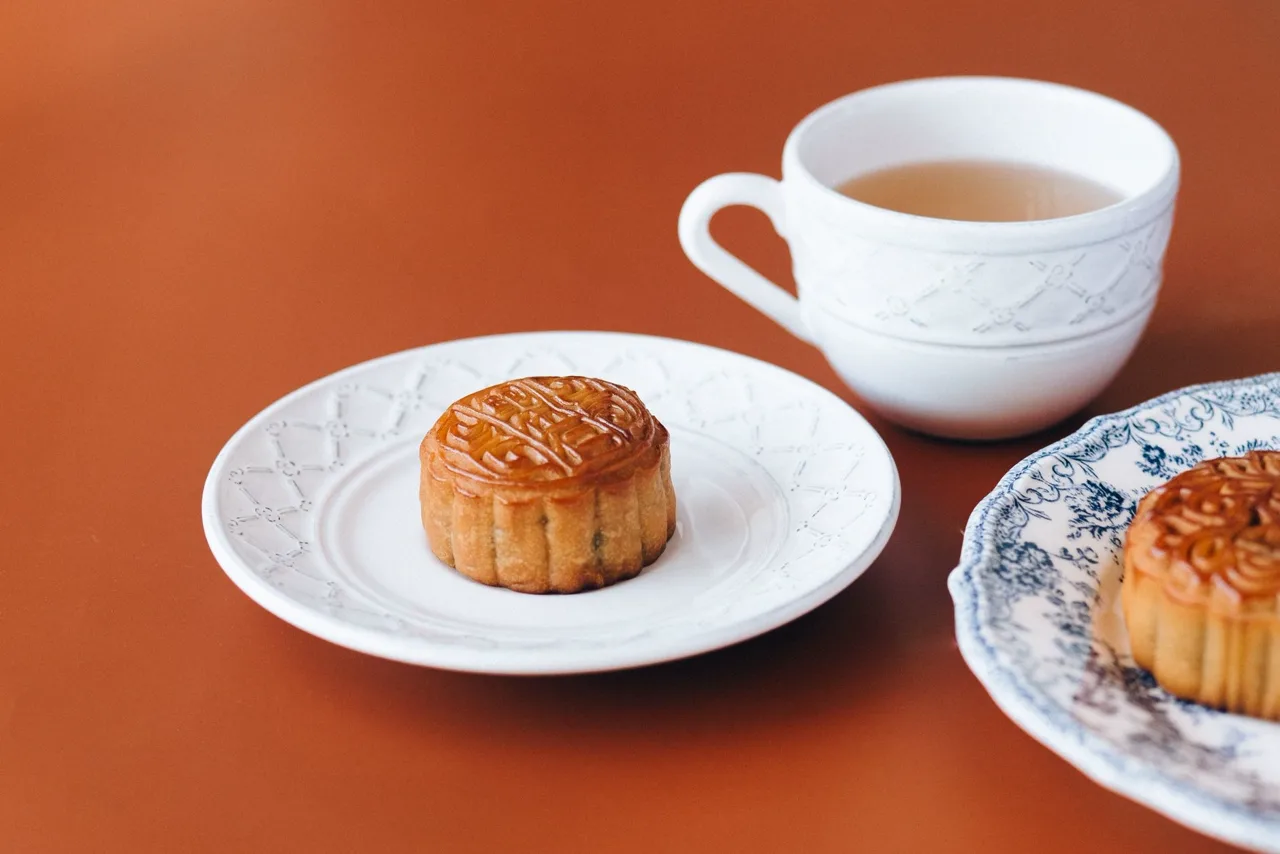
The round mooncake is often explained as a symbol of completeness. In practice, the meaning is felt through sharing. A family may cut one mooncake into slices so everyone tastes the same piece. The act is simple, but it turns a rich pastry into a small ritual.
Chinese festivals often work this way. Food makes an abstract value visible. Spring Festival has dumplings, fish, sweets, and reunion meals; Qingming has quieter seasonal foods linked to remembrance. TodayChinese’s guide to Chinese festival calendars helps explain why these foods appear at different moments in the year.
Fillings that start arguments
Mooncake preferences can be surprisingly strong. Some people love lotus seed paste with salted egg yolk. Others prefer red bean, five-nut, black sesame, jujube paste, or newer flavors such as custard, tea, chocolate, fruit, or ice cream. Suzhou-style flaky mooncakes differ from Cantonese-style glossy ones. Regional pastry traditions create many versions of what outsiders may imagine as one food.
The five-nut mooncake is especially famous for dividing opinion. Some defend its old-fashioned texture and mixed aroma. Others avoid it completely. These arguments are part of the fun. They show that festival food is not only symbolic; it is personal.
Gifts, packaging, and etiquette
Mooncakes are also gifts. Companies send them to clients. Friends bring them to visits. Adult children carry boxes home. Packaging can be elegant, excessive, simple, or practical. In recent years, many people have criticized over-packaged mooncakes and returned to cleaner designs.
The gift side can feel commercial, but it reflects a real social function. A mooncake box says: I remembered the season, I respect the relationship, and I hope you share in the festival. This is similar to other Chinese gift customs where the object matters, but the timing and intention matter more.
Not the same as New Year food
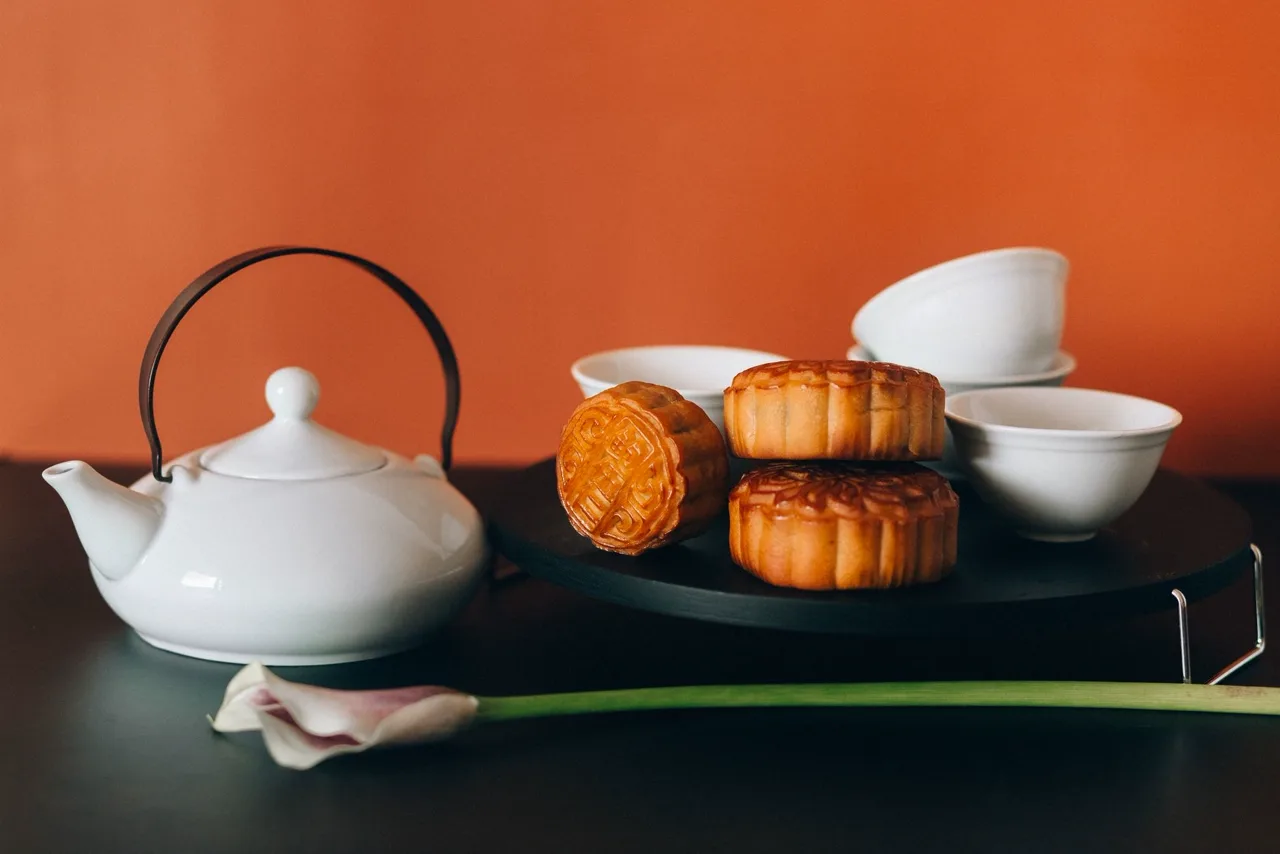
Mid-Autumn food has a different mood from Spring Festival food. Spring Festival is louder, longer, and often more crowded with rituals. TodayChinese’s article on Chinese New Year shows how that holiday surrounds families with preparation and renewal. Mid-Autumn is usually gentler. It belongs to the night, the moon, tea, fruit, and conversation.
That gentleness does not make it less important. For people living away from home, a mooncake received in a dormitory or office can carry real emotion. The pastry may be too sweet, but the memory is not.
Mooncakes in a changing market
Modern mooncakes change every year. Bakeries test low-sugar versions, smaller sizes, regional collaborations, creative boxes, and unusual fillings. Some trends disappear quickly. Others stay. Younger consumers often want mooncakes that feel less heavy, less wasteful, and easier to share.
This constant reinvention is not unusual. Dragon Boat Festival zongzi also vary by region and taste, as TodayChinese notes in its article on Dragon Boat Festival family preparations. Festival foods survive partly because they can change without losing their emotional center.
A sweet link to people who are far away
At its best, a mooncake is not about luxury. It is about connection. Someone buys a box before boarding a train. Someone mails a few to parents. Someone saves one for a friend working late. Someone cuts a mooncake under a balcony light and sends a photo to the family group chat.
Like Qingming foods that hold remembrance, described in TodayChinese’s piece on Qingming Festival, mooncakes turn feeling into something tangible. They let people hold reunion in their hands, even when the people they miss are not in the same room.