Qingming Festival: Tomb Sweeping, Spring Outings, and the Meaning of Remembrance in China
What Is Qingming Festival?
Qingming Festival, often called Tomb Sweeping Day in English, is one of the most important traditional festivals in China. It usually falls on April 4, 5, or 6, when the sun reaches the Qingming solar term. The Chinese word qingming means “clear and bright,” which matches the season: spring skies become clearer, plants turn green, and families travel outdoors after the cold months.
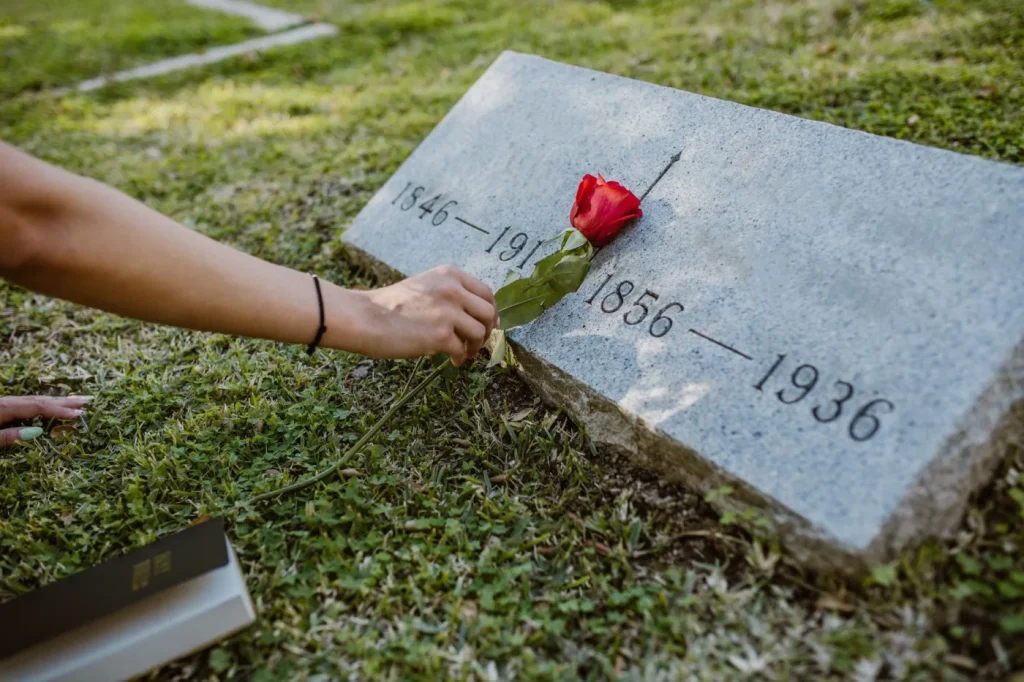
For many Chinese families, Qingming is a day to visit ancestral graves, clean tombs, offer food and flowers, burn incense or paper offerings, and remember relatives who have passed away. At the same time, Qingming is also associated with spring outings, fresh seasonal foods, kite flying, and appreciation of nature. This combination of mourning and renewal is one reason the festival feels so distinctive.
Foreign readers may expect a memorial day to be entirely solemn. Qingming is more complex. It is respectful and emotional, but not only sad. It is a family gathering, a seasonal marker, and a reminder that the living remain connected to previous generations.
Origins: Solar Term, Ancestor Rites, and Hanshi Influence
Qingming began as one of the 24 solar terms in the traditional Chinese calendar. These solar terms guided farming life by marking changes in weather, temperature, and agricultural timing. Qingming signaled a good time for spring plowing, planting, and outdoor activity.
Its role as a tomb-sweeping festival developed through a long historical process. Ancient Chinese society placed great importance on ancestor worship. Families believed that honoring ancestors maintained family continuity, moral order, and blessings for later generations. Grave visits around spring became a natural way to care for ancestral resting places after winter.
Qingming was also influenced by the older Hanshi Festival, or Cold Food Festival, which took place just before it. Hanshi included no-fire customs, remembrance of Jie Zitui, cold foods, and spring outings. Over time, Hanshi and Qingming became closely connected, and many customs merged. Today, Qingming is the public holiday most people recognize, while Hanshi survives mainly as historical background.
How Ordinary Families Observe Qingming
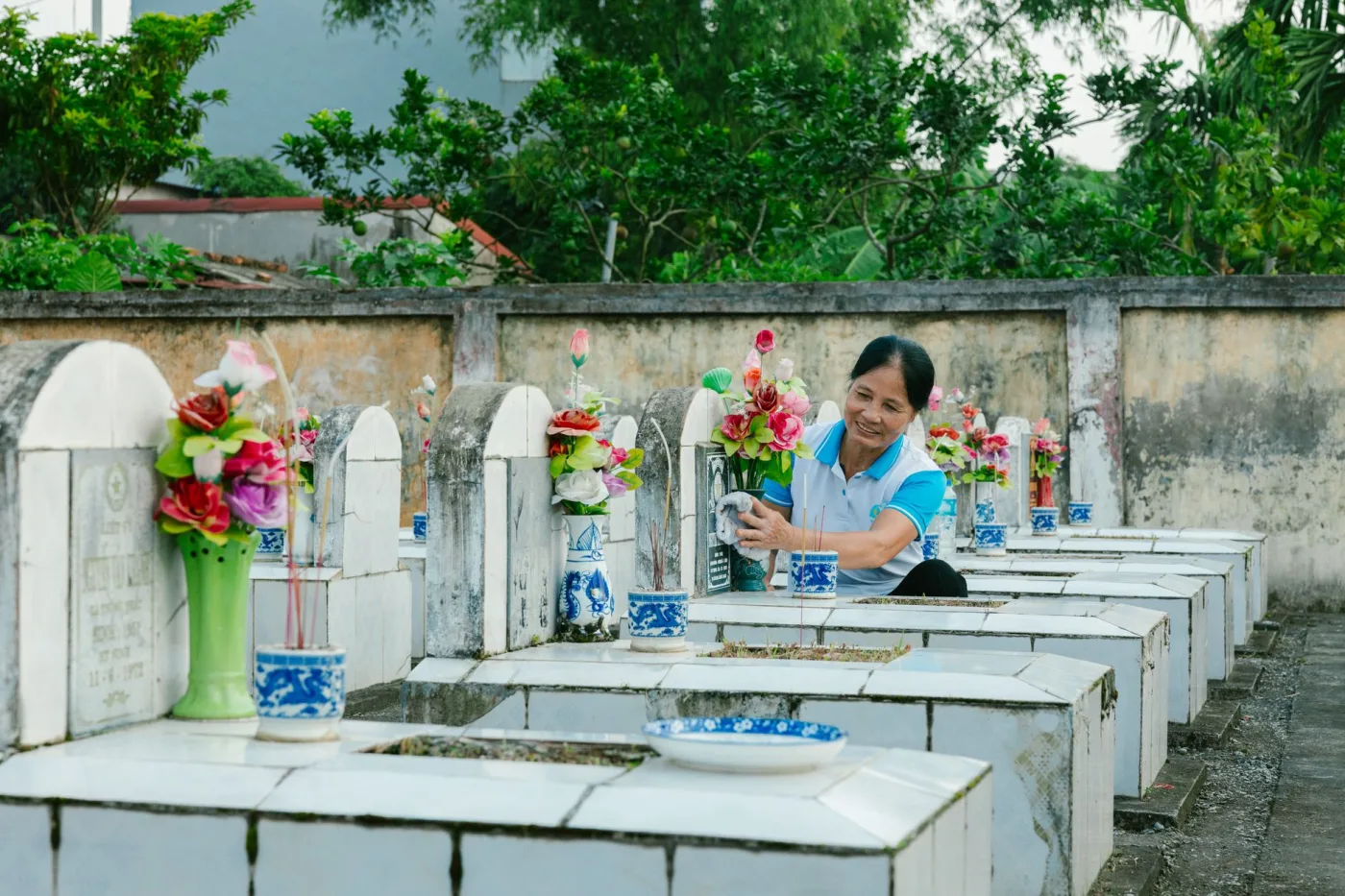
The most familiar Qingming activity is tomb sweeping. Families travel to cemeteries, ancestral graves, or memorial halls. They clear weeds, wipe tombstones, repaint inscriptions if needed, and arrange offerings. Traditional offerings may include fruit, wine, tea, cooked dishes, pastries, and incense. In some families, paper money or paper goods are burned for the deceased, based on the belief that offerings can reach the spirit world.
People bow before the grave or stand quietly in respect. Older family members may tell younger generations who is buried there, what kind of life they lived, and how the family line developed. In this way, Qingming becomes a lesson in family history. Children learn names and stories that may not appear in textbooks.
After grave visits, families may eat together. In rural areas, the trip can be part of a larger spring outing. In cities, people often make a one-day journey to a cemetery outside town, then return home or gather for a meal. The form may vary, but the emotional core is the same: remember the dead, care for the family, and renew bonds among the living.
Qingming in History
Historical Qingming was both a folk festival and an official occasion. By the Tang dynasty, tomb sweeping around Qingming was widely practiced, and the government recognized the importance of allowing people time to visit graves. Classical poems describe roads crowded with travelers, spring rain, village wine shops, and the emotions of remembrance.
The famous painting often translated as “Along the River During the Qingming Festival” shows a lively urban scene from the Song dynasty. Scholars debate whether the title refers directly to the festival or the clear-bright season, but the painting has shaped modern imagination of Qingming as a time when markets, bridges, boats, and city life flourished in spring.
In imperial times, elite families might hold elaborate ancestral rites, maintain clan cemeteries, and record genealogies. Ordinary people practiced simpler but meaningful customs. The specific offerings differed by region and wealth, but the idea of caring for ancestors was shared across society.
Food and Seasonal Customs
Qingming foods vary across China, but several are especially well known.
**Qingtuan**, green sticky rice balls, are popular in Jiangnan and other southern areas. They are made with glutinous rice flour and green plant juice, traditionally from mugwort or similar spring herbs. Fillings may be sweet red bean paste, sesame, or modern savory ingredients. Their color connects directly with spring.
**Sanzi**, a crispy fried dough twist, is associated with the cold-food tradition in some regions. Because it could be prepared in advance, it suited the old Hanshi custom of avoiding fire.
**Boiled eggs**, **spring vegetables**, and **local cakes** also appear in different provinces. Some families bring food to graves as offerings, then share a meal afterward.
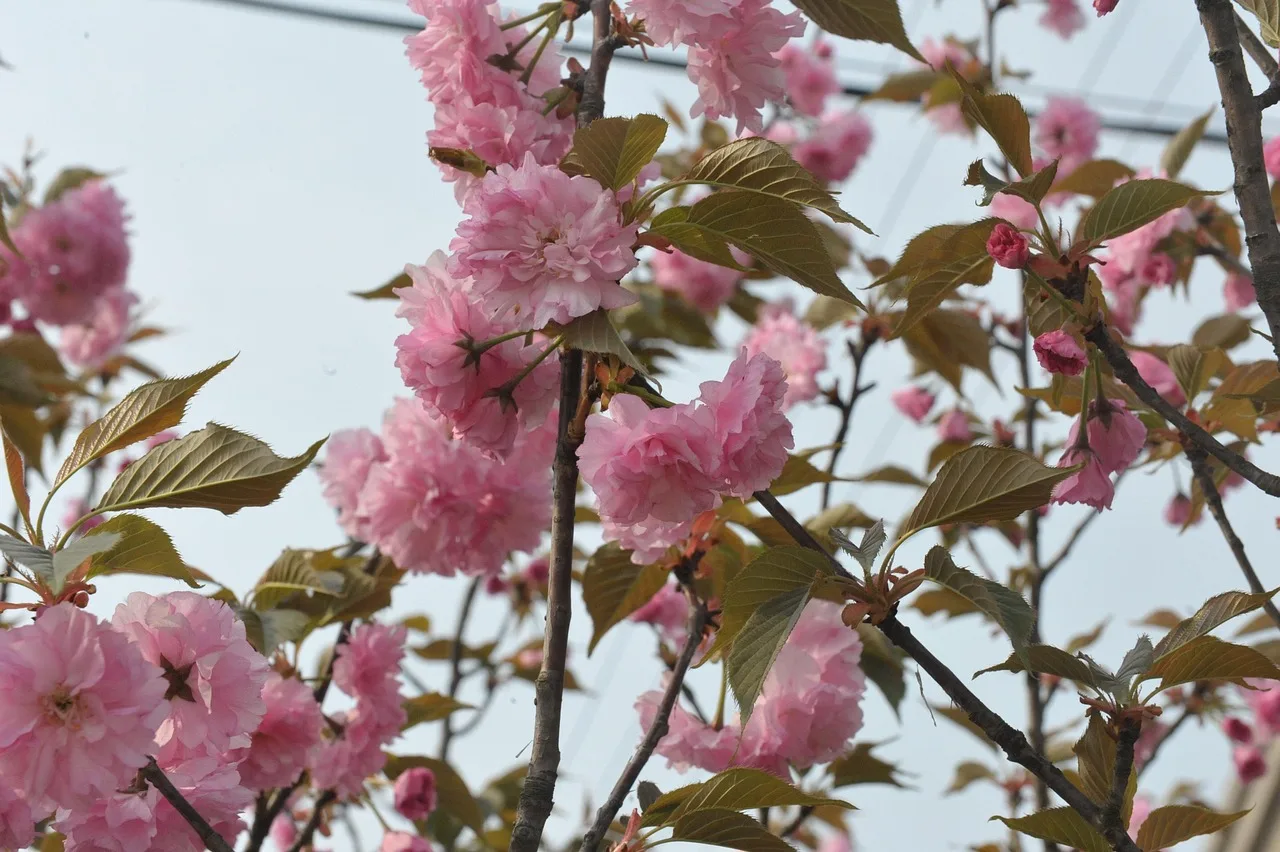
Other customs include wearing or placing willow branches, flying kites, and going on spring walks known as taqing, literally “stepping on the green.” Kite flying sometimes carries symbolic meaning: people may release a kite to let worries or illness drift away. Willow customs express vitality and protection, because willow trees sprout early in spring.
How Qingming Is Celebrated Today
In modern China, Qingming is a public holiday. Many people travel back to hometowns or visit cemeteries in large cities. Because urban cemeteries can become crowded, local governments often organize traffic control and encourage staggered visits. Some families now use flowers instead of incense or burning paper, especially in areas with fire safety or environmental rules.
Online memorial services have also become more common. People may create digital memorial pages, leave virtual flowers, or watch livestreamed rites when they cannot travel. During public health emergencies or for overseas Chinese communities, digital remembrance can be especially useful. Still, many families feel that physically visiting a grave has emotional value that online rituals cannot fully replace.
Modern Qingming also includes tourism. With a short holiday and pleasant weather, people take spring trips to parks, mountains, and historic towns. This does not necessarily weaken the festival’s meaning. Qingming has always contained both remembrance and spring enjoyment. The modern difference is that travel, technology, and urban life have changed the way people balance those parts.
Historical and Modern Differences
Historically, Qingming was embedded in clan structures, agricultural timing, and local ritual life. Families often lived near ancestral graves, and tomb sweeping connected directly with village identity. Today, many people live far from their hometowns. A Qingming visit may require train tickets, flights, and careful planning.
Offerings have also changed. Traditional paper burning remains common in some regions, but flowers, silent mourning, and eco-friendly ceremonies are increasingly promoted. Younger generations may know less about formal ritual steps, but they often still understand Qingming as a time to remember grandparents and family origins.
Another difference is emotional language. Older customs emphasized duty and ritual correctness. Modern people may speak more openly about grief, memory, and personal feelings. Qingming therefore continues to adapt while keeping its central message: the dead should not be forgotten.
Tips for Foreign Readers
If you are invited to join a Qingming tomb-sweeping visit, dress respectfully and follow the family’s lead. Do not step on graves, joke loudly, or touch offerings without permission. Flowers are usually safe, but customs vary, so ask before bringing anything. White and yellow chrysanthemums are common memorial flowers in many Chinese contexts.
It is also helpful to understand that ancestor worship in China is not always “religion” in the Western sense. For many families, it is an expression of gratitude, continuity, and respect. Even people who are not religious may still observe Qingming because it is part of family culture.
Qingming is best understood as a bridge: between winter and spring, the living and the dead, personal memory and family history. Its beauty lies in that balance. The festival teaches that remembering the past does not stop life from moving forward; it gives the living deeper roots as they step into a new season.