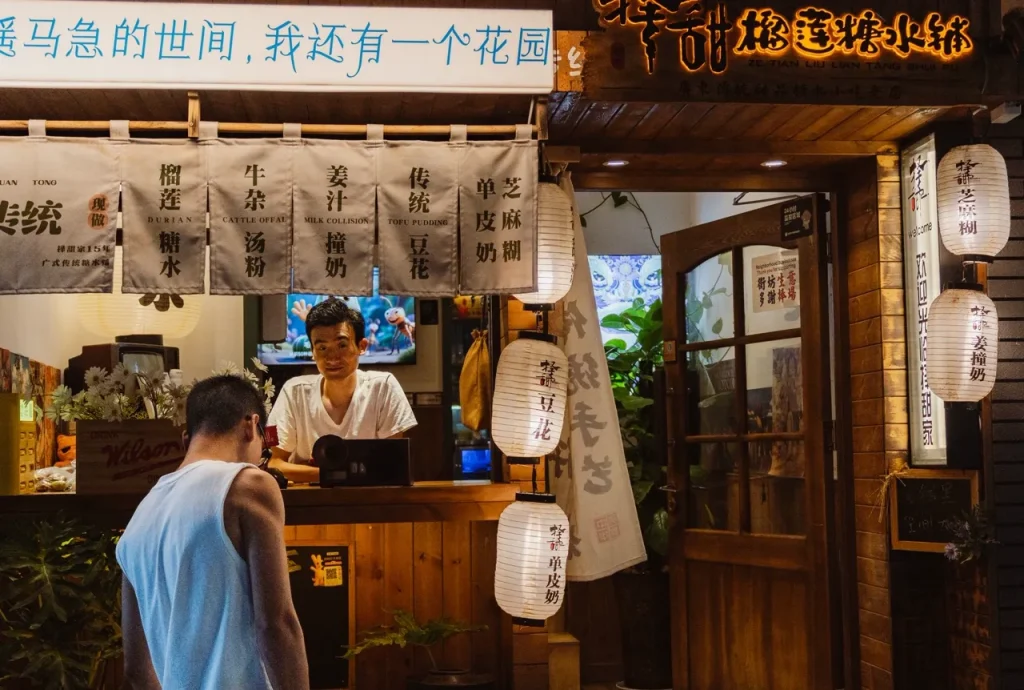
Tea is one of China’s oldest cultural symbols, but many young people now meet it through a very modern doorway: the new-style tea shop. These shops sell fresh fruit teas, milk teas, cheese foam teas, cold brews, seasonal drinks, and carefully designed cups made for both taste and photographs. They are part beverage counter, part social space, part lifestyle brand.
It would be easy to dismiss them as a trend, but that misses the point. New tea shops show how old cultural materials can be remixed for modern city life. Tea does not disappear because people add grapes, jasmine milk foam, or a limited-edition cup. It changes form and finds new routines.
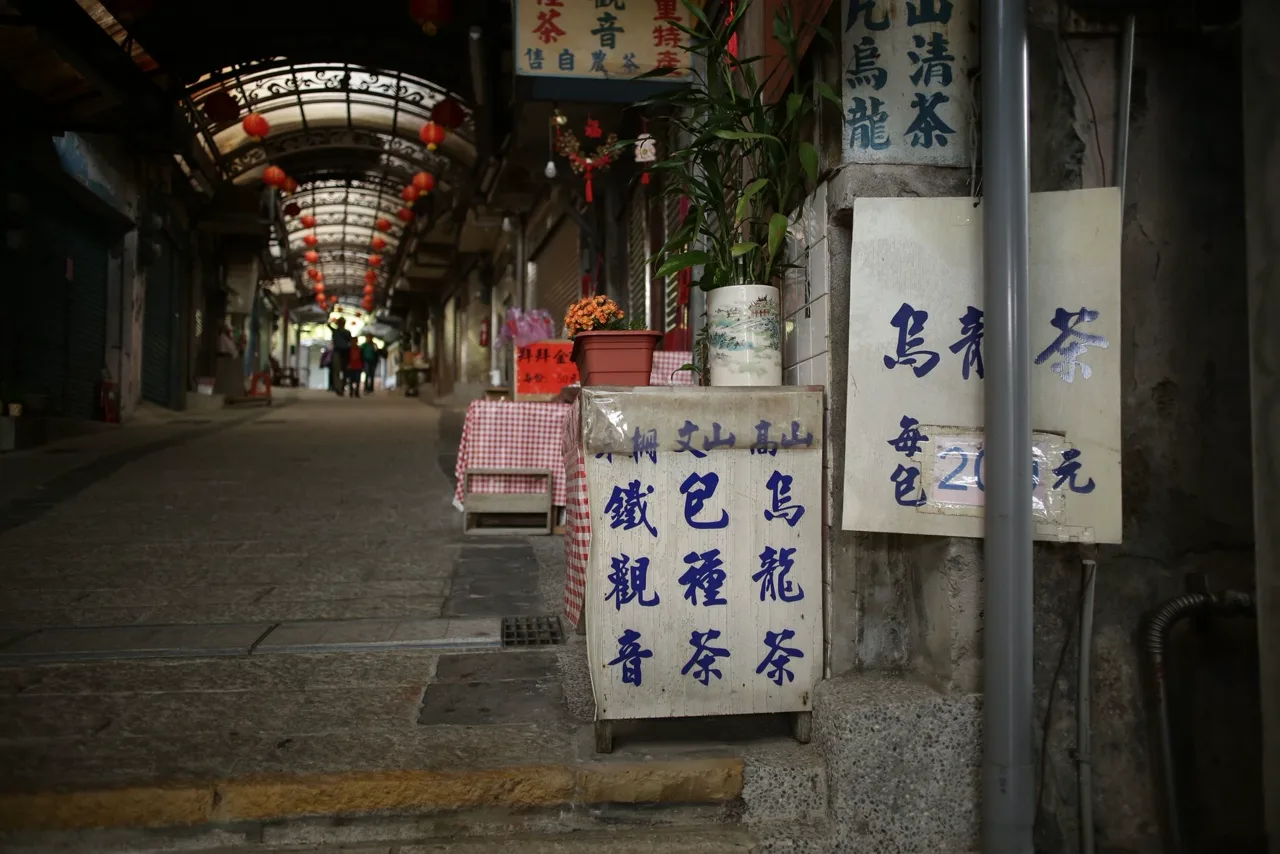
From formal tea to everyday tea
Traditional Chinese tea culture can be quiet, skilled, and ceremonial. It values leaves, water, vessels, aroma, patience, and conversation. New tea shops operate differently. They are fast, colorful, branded, and convenient. A customer can order on a phone, pick up a drink after work, and carry it through a shopping street.
Yet the link to older tea culture remains. Many drinks use familiar tea bases such as oolong, jasmine green tea, pu’er, or black tea. The flavor may be sweeter and colder, but the tea identity still matters. Brands often emphasize real leaves, brewing methods, regional ingredients, and seasonal freshness to prove that their drinks are not just sugar water.
A cup made for walking
New tea fits the rhythm of Chinese cities. It is portable, affordable compared with a full restaurant meal, and easy to share on social media. Friends buy drinks before a movie. Office workers order delivery in the afternoon. Students carry cups while shopping. City walkers stop for tea between old lanes, bookstores, museums, and parks.
This connection with urban strolling is why new tea belongs beside the weekend habit described in TodayChinese’s article on city walks in China. A drink gives the walk a pause. It becomes a small reward and a prop for noticing the city.
Seasonal flavors and limited editions
Modern tea brands are very good at seasonality. Spring may bring peach, cherry blossom, or fresh green tea themes. Summer brings citrus, grape, watermelon, and icy textures. Autumn may feature osmanthus, pear, or roasted flavors. Winter drinks can be warmer, creamier, and richer.
This seasonal marketing is modern, but the instinct is traditional. Chinese festivals and food customs have long followed the calendar. A new tea shop simply translates that sensitivity into cups, posters, apps, and limited-time menus.
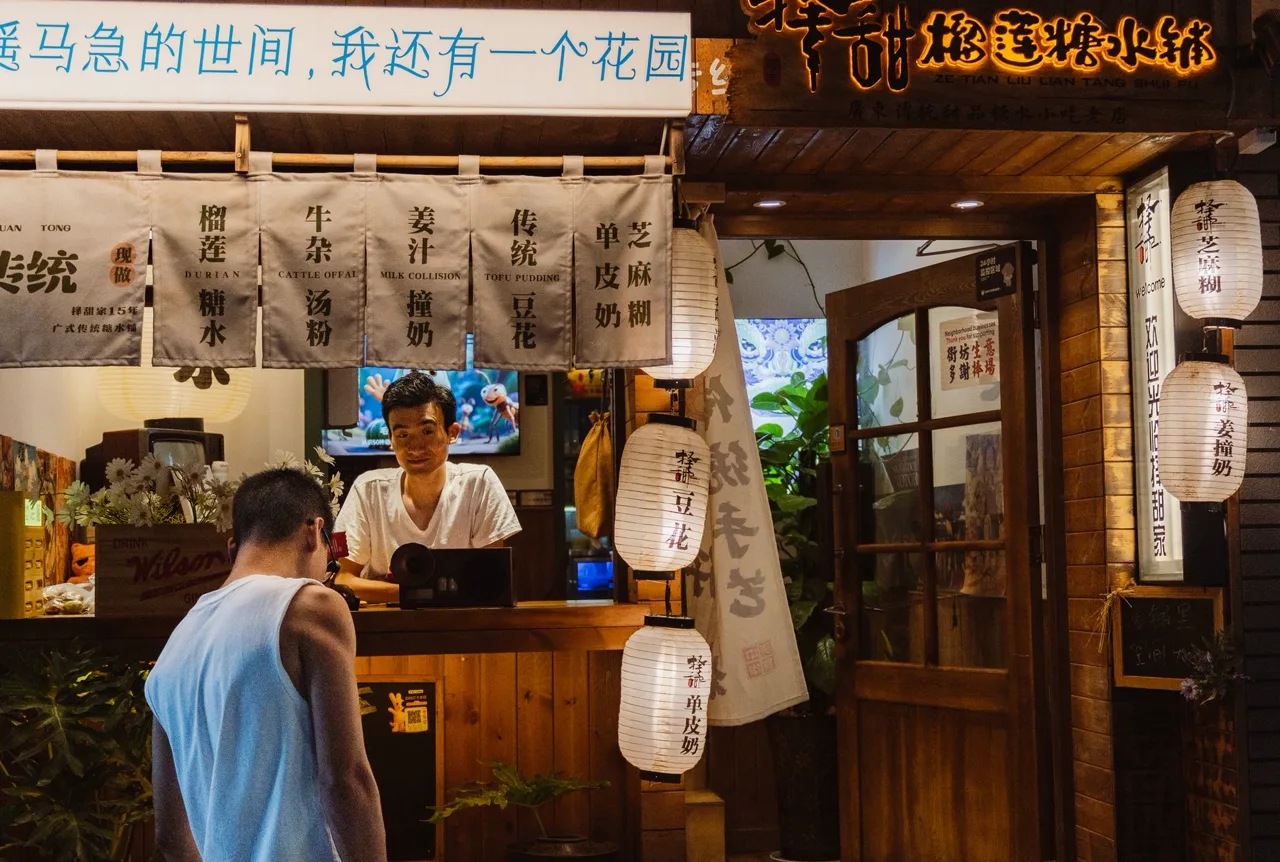
Why museums and heritage brands join in
New tea culture often collaborates with museums, cultural sites, animation characters, and heritage brands. A cup may feature a historical motif, opera color, zodiac animal, or museum object. These collaborations can be playful, but they also show how young consumers encounter culture in everyday purchases.
This resembles the broader youth interest in heritage spaces, from museum nights to cultural merchandise. TodayChinese has covered how China’s summer museum nights make history feel approachable. A tea collaboration works on a smaller scale: culture enters the hand through a cup.
The performance of choosing
Ordering new tea can be surprisingly detailed. Customers choose sugar level, ice level, toppings, tea base, cup size, and sometimes texture. This personalization makes the drink feel designed for the individual. It also turns ordering into a little performance of taste.
That performance can be social. Friends compare choices, recommend hidden combinations, and debate which brand makes better fruit tea. The conversation around the drink may matter almost as much as the drink itself.
Old symbols in new packaging
Some tea shops borrow visual language from Chinese opera, calligraphy, classical gardens, or festival colors. When done well, this can introduce traditional aesthetics gently. A young person who notices opera-inspired packaging may later become curious about the art itself, much like the visual appeal of Chinese opera makeup can invite deeper attention.
The risk is shallowness. Cultural symbols can become decoration without substance. But the possibility is real: popular design can be a first doorway, not the final lesson.
A modern habit with older roots
New tea shops are modern because of apps, branding, delivery systems, social media, and constant flavor updates. They are Chinese because tea, seasonality, shared recommendations, and symbolic design still matter. Their success shows that tradition does not always survive by staying formal. Sometimes it survives by becoming part of Tuesday afternoon.
A cup of fruit tea will not replace a carefully brewed pot of leaves. It does not need to. It gives a younger generation another way to keep tea in daily life: sweet, cold, portable, photographed, and still connected to a much older story.