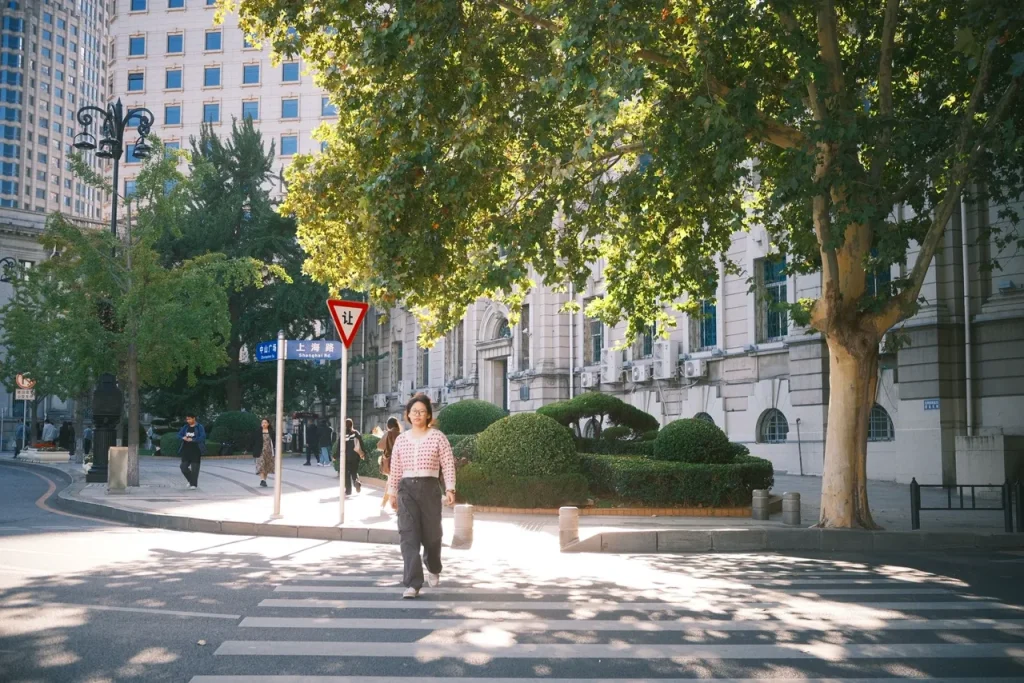
In many Chinese cities, a weekend plan now begins with a simple message: “Want to do a city walk?” The route may be only three or four kilometers. It might pass an old post office, a quiet lane, a coffee shop in a former factory, a street market, a temple gate, and a small museum that locals have walked past for years without entering. The point is not to cover famous attractions. The point is to notice the city at walking speed.
City walks have become one of the most visible forms of modern Chinese urban culture. They are popular with young professionals, students, photographers, history lovers, and travelers who want something more personal than a checklist tour. The habit fits a broader mood: after years of fast construction, fast commuting, and fast online life, many people want to experience their cities more slowly.
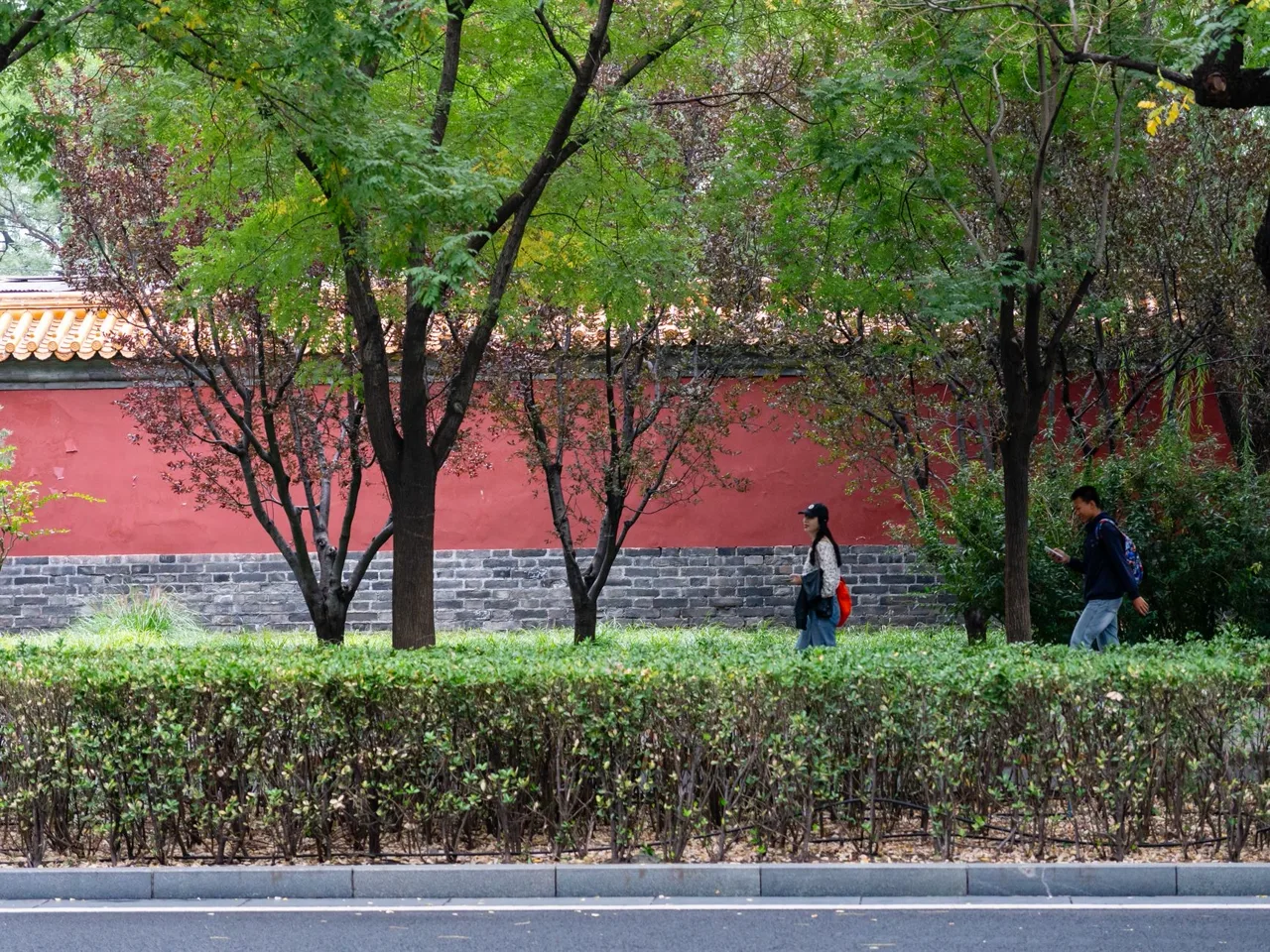
What makes a city walk different
A city walk is not just a walk. It usually has a theme, even if the theme is loose. One route may focus on Republican-era architecture. Another follows old bookstores, hidden gardens, former industrial sites, riverside paths, local snacks, street art, or film locations. Some walks are guided by researchers or local enthusiasts. Others are self-designed from social media posts, maps, and personal curiosity.
The best routes combine information with atmosphere. A guide might explain why a certain neighborhood has European-style villas, how a factory district became a creative park, or why one street is associated with a writer, musician, or old trade. But the group also stops for small pleasures: a bowl of noodles, a hand-painted sign, a cat sleeping on a windowsill, the smell of osmanthus in autumn, or the sound of mahjong tiles from an upstairs room.
Young people and the search for local texture
For young Chinese city dwellers, especially those who moved for school or work, city walks offer a way to build attachment. A megacity can feel anonymous when life is limited to apartment towers, office buildings, malls, and subway lines. Walking through older neighborhoods gives the city texture. It reveals layers of migration, industry, commerce, and family life.
This is why city walks are popular even among locals. Someone born in Shanghai, Guangzhou, Beijing, Chengdu, Nanjing, Wuhan, or Xi’an may know the city’s main landmarks but still be surprised by a side street. Modern urban life often makes people efficient but not observant. A city walk gives permission to be inefficient for an afternoon.
The role of social media
Social media helped spread the trend. Route maps, photo spots, café recommendations, and short historical notes can be shared easily. A good post makes a neighborhood feel newly visible. People save the route, invite friends, and add their own discoveries afterward. In this way, city walks are both physical and digital. The walk happens on the street, but the idea of the walk often begins online.
There is a risk here. Some routes become crowded after going viral, and small residential lanes may struggle with sudden attention. A doorway that looks charming in a photo is still someone’s home. Responsible city walking means keeping voices low, not blocking residents, avoiding intrusive photography, and remembering that a neighborhood is not a film set.
Old streets, new businesses
City walks often bring visitors to older streets where independent businesses are trying to survive or reinvent themselves. A traditional snack shop may sit beside a new bakery. A repair stall may share the block with a vintage store. A former warehouse may contain design studios and coffee counters. These contrasts are part of the appeal. They show how Chinese cities absorb change without becoming completely new.
For small businesses, the trend can help. A route that includes a local noodle shop or handmade craft store may bring customers who care about place, not just convenience. But popularity can also push rents higher and encourage copycat shops that flatten the neighborhood’s character. The healthiest city walk culture supports local life rather than replacing it.
A modern way to meet history
City walks also show a changing relationship with history. Instead of meeting the past only in museums or textbooks, walkers encounter it in street names, wall textures, old trees, school gates, apartment balconies, and market layouts. This kind of history is modest but powerful. It helps people understand that heritage is not always distant or grand. Sometimes it is the reason a road bends, a building faces a certain way, or a neighborhood sells a particular snack.
In cities with fast redevelopment, this awareness can create public interest in preservation. Once people learn the story of a street, they are more likely to care when it changes. City walking cannot solve every conflict between development and conservation, but it can make residents more attentive. Attention is often the first step toward protection.
How to plan a good city walk in China
A good city walk does not need to be long. Choose one district, one theme, and a realistic pace. Check whether museums or historic buildings require reservations. Wear comfortable shoes, bring water, and leave time for unplanned stops. If the route passes residential areas, be respectful. If you take photos, avoid pointing cameras into private windows or making residents feel watched.
For travelers, consider mixing one famous site with several ordinary streets nearby. The famous site gives context; the streets give life. For locals, try walking a familiar commute on a weekend without headphones. Look up at building dates. Read shop signs. Notice what people are eating. The city may feel less like a machine and more like a living archive.
Why the habit lasts
City walks remain popular because they are affordable, social, flexible, and personal. They do not require a long vacation or a big budget. They can be done alone, with a partner, or in a small group. They make room for exercise, photography, learning, and conversation without forcing any one purpose too strongly.
Most of all, city walks answer a quiet need in modern Chinese life: the need to belong somewhere concrete. In a fast city, walking slowly can feel almost rebellious. It says that a neighborhood is worth more than its traffic function or property value. It has smells, sounds, habits, memories, and surprises. To walk through it carefully is to admit that everyday urban life is culture too.