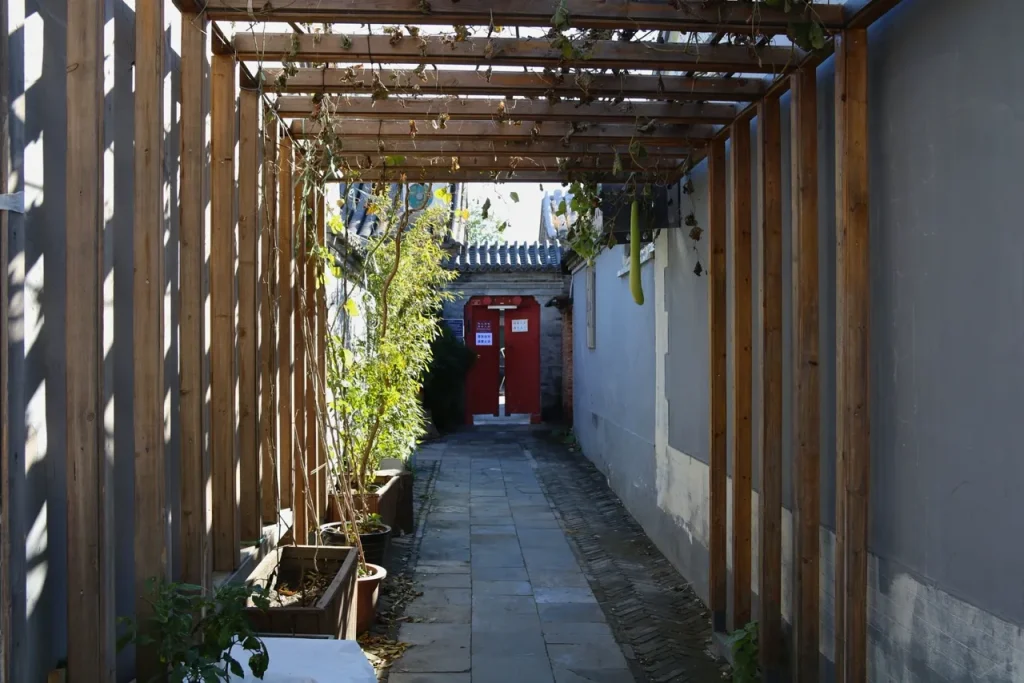
A siheyuan, often translated as a Chinese courtyard house, is more than an old architectural form. It is a way of organizing family life. Rooms stand on four sides around an open courtyard. Gates, walls, rooflines, trees, thresholds, and seating arrangements all help define who belongs where, how guests enter, how privacy is protected, and how generations live together.
Beijing is famous for siheyuan neighborhoods, especially in hutong lanes, but courtyard-style thinking appears in many parts of China. The details differ by region, climate, and wealth. The basic idea is steady: the home turns inward around a shared open center.
A home facing inward
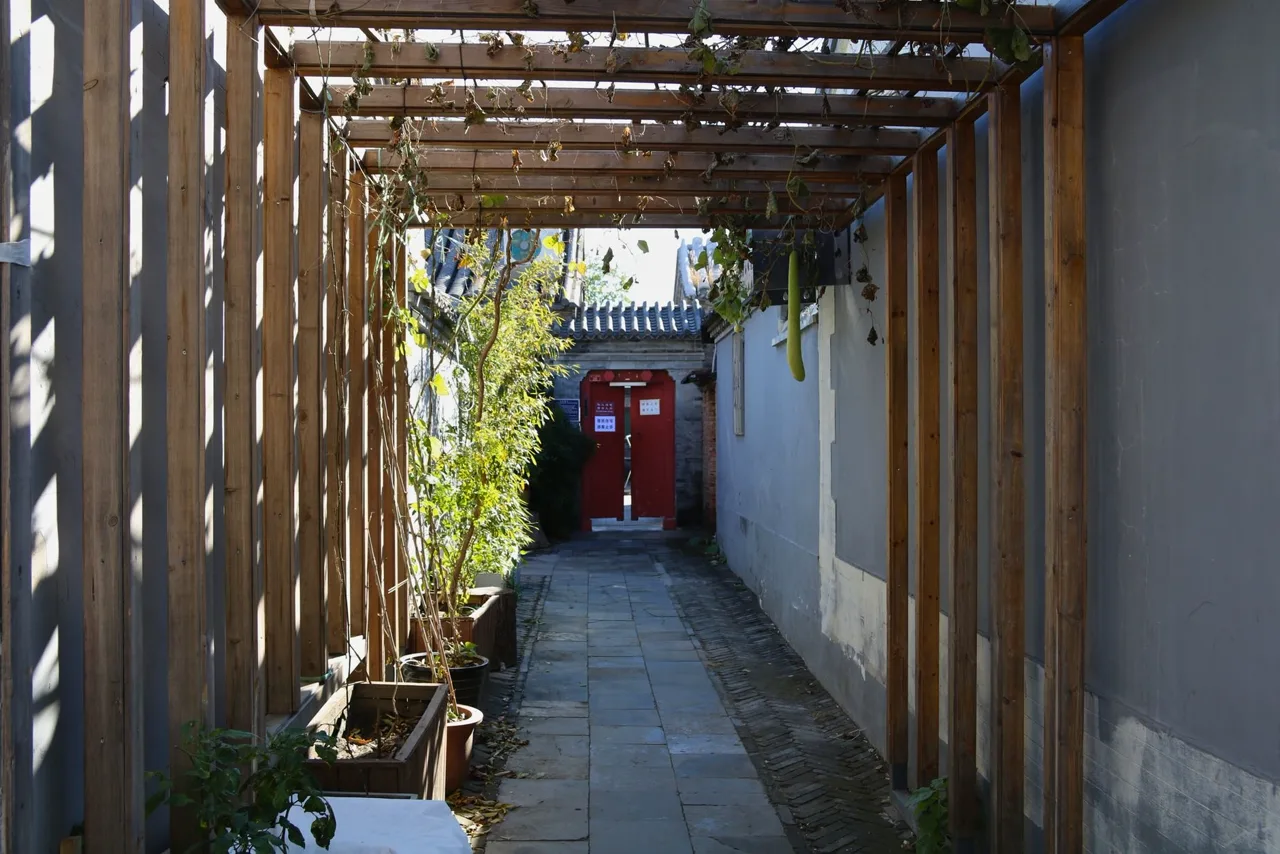
From the street, a traditional courtyard home can look quiet and closed. High walls and a gate separate the household from public life. Step inside, and the space opens. The courtyard brings in light, air, plants, seasonal change, and family activity. This contrast between outside modesty and inside richness is central to the siheyuan’s charm.
The layout protects privacy in a crowded city. A family can live close to neighbors without exposing every domestic detail to the lane. At the same time, the courtyard gives household members a shared outdoor room. Children play there, elders sit in the sun, laundry dries, plants grow, and visitors are received.
Order and hierarchy
The siheyuan also reflects traditional family hierarchy. In a classic north-south arrangement, the main rooms facing south often belonged to senior family members because they received better light and held greater status. Side rooms might be used by younger generations. Servants, storage, kitchens, and guest spaces had their own positions depending on the size and wealth of the household.
This does not mean every courtyard home followed one perfect textbook plan. Real families adapted. But the ideal layout shows how architecture could express social order. Space taught people how to behave: where to greet elders, where to host guests, where to keep private life, and where ritual moments should happen.
The courtyard as seasonal clock
A courtyard changes with the year. In spring, a tree may flower. In summer, shade becomes precious. In autumn, sunlight feels gentle. In winter, the courtyard can be cold but bright. Traditional homes made residents more aware of seasonal rhythm because daily life passed through an open center.
This seasonal awareness links courtyard homes to wider Chinese cultural habits. Festivals, food, clothing, and household cleaning all respond to the calendar. Just as a family prepares red decorations or festival foods at certain times, the courtyard gives those preparations a place to happen. Domestic tradition is not only about belief; it is also about space.
Comparison with tulou and other shared homes
A siheyuan is very different from a Fujian tulou, but both show how architecture can shape social life. A Fujian tulou may house a large clan within thick earthen walls, while a siheyuan usually works at a smaller urban family scale. One feels fortress-like from the hills; the other is tucked into lanes. Both, however, turn inward and organize people around a shared center.
These comparisons remind us that Chinese architectural heritage is not a single style. It is a set of solutions to climate, land, security, hierarchy, and family structure. The Grand Canal shaped movement and markets across regions; courtyard homes shaped everyday life at the household level.
Hutong life and modern pressure
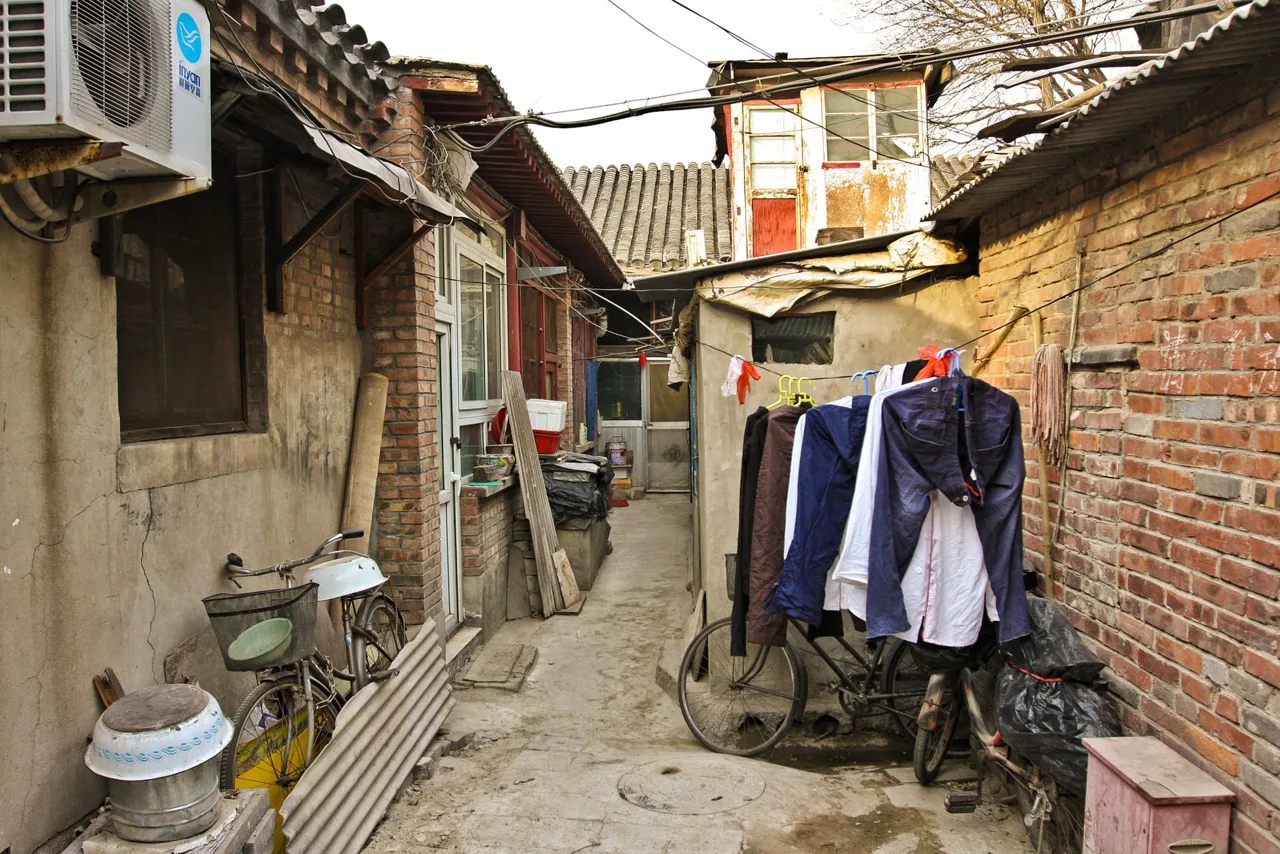
Many old courtyard areas have faced redevelopment, crowding, repairs, and changing lifestyles. Some siheyuan have been restored as private homes, boutique hotels, restaurants, cultural spaces, or museums. Others have been divided among multiple families, with added rooms and improvised facilities. The romantic image of courtyard life can hide practical problems such as heating, plumbing, privacy, and maintenance.
Still, people remain drawn to these spaces. A walk through a hutong can reveal door gods, potted plants, bicycles, cats, delivery packages, and neighbors chatting in the lane. This is one reason slow urban exploration, like the city walk habit, has made old neighborhoods feel newly interesting to younger people.
What the siheyuan teaches
The siheyuan teaches that a home can be both protective and open, private and communal, orderly and warm. Its walls defend the household from the street, while its courtyard invites sky into daily life. Its room positions reflect hierarchy, but its shared center creates encounter.
For visitors, the best way to appreciate a courtyard home is not only to photograph the roofline. Notice thresholds, light, sound, and movement. Ask where elders sat, where food was prepared, where guests paused, and where children would have played. Then the siheyuan stops being an old building type and becomes what it always was: a lived pattern of Chinese family life.