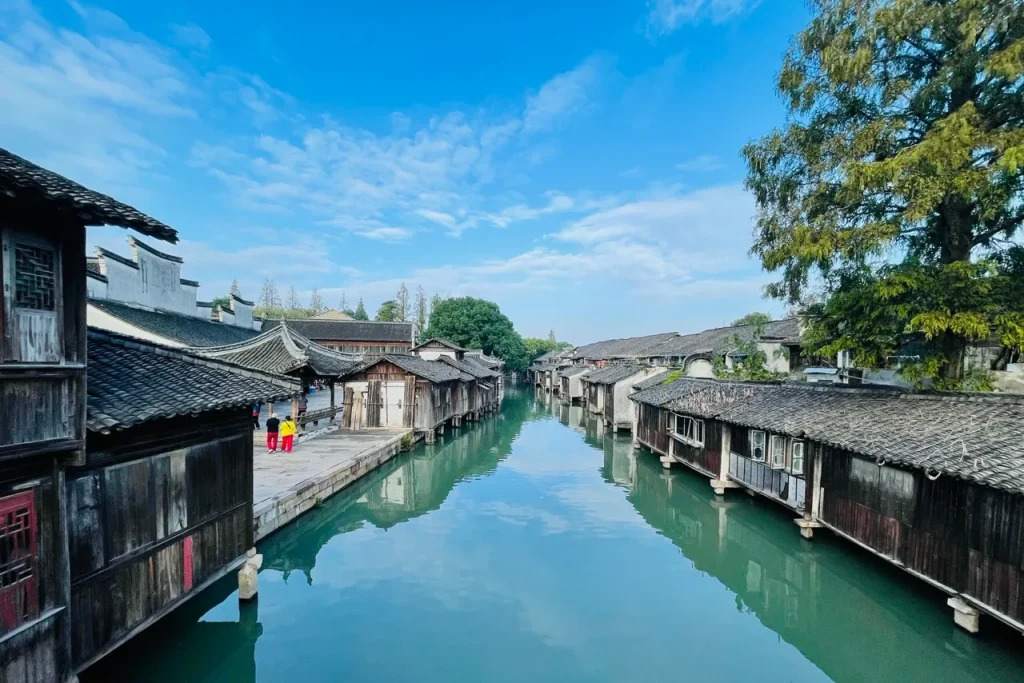
The Grand Canal is one of the most important waterways in Chinese history, but it is best understood not only as a line on a map. It is a chain of rivers, locks, towns, markets, warehouses, bridges, and family memories. For centuries, it helped move grain, salt, soldiers, officials, merchants, letters, and stories between north and south. It connected imperial power with ordinary kitchens. It made distant regions feel closer, long before trains and highways changed the country’s sense of distance.
Running through eastern China, the canal system linked major river basins and supported the movement of goods toward political centers. Parts of it were built, repaired, expanded, and redirected across different dynasties. The result was not a single project completed in one moment, but a long historical effort to manage water, land, labor, and state needs. That long life is why the Grand Canal still feels layered. It belongs to engineering history, but also to food history, urban history, and the heritage of everyday work.
A water road for grain and government
One of the canal’s great roles was transporting grain. Feeding a capital was never a simple matter. Grain had to be collected, stored, moved, protected, measured, and delivered. The canal made it possible to send huge quantities from productive southern and central regions toward northern political centers. This was not romantic travel. It was administration on water: boats, taxes, schedules, laborers, guards, and officials all tied to the flow of food.
Because grain transport mattered to the state, canal maintenance mattered too. Silt, floods, drought, broken banks, and changing river courses could threaten the system. Keeping the canal working required technical knowledge and constant labor. Behind the famous image of an ancient waterway were countless unnamed people who dredged, hauled, repaired, steered, cooked, counted, and waited.
Markets grew beside the banks
Where goods move, markets appear. Canal towns became places where local products met long-distance trade. Grain, salt, cloth, tea, timber, ceramics, and daily necessities passed through busy wharves. Inns, teahouses, temples, pawnshops, warehouses, and repair yards served boatmen and merchants. A traveler could hear different accents on the same street and taste ingredients that had arrived by water.
This is one reason the Grand Canal shaped culture as well as commerce. A route that carries goods also carries songs, religious practices, slang, cooking methods, and news. Local opera styles, festival customs, and food habits often developed in places where people from different regions met. The canal was a slow communication network. Its boats moved at human speed, but they moved steadily enough to change the towns along their path.
Bridges, locks, and ordinary beauty
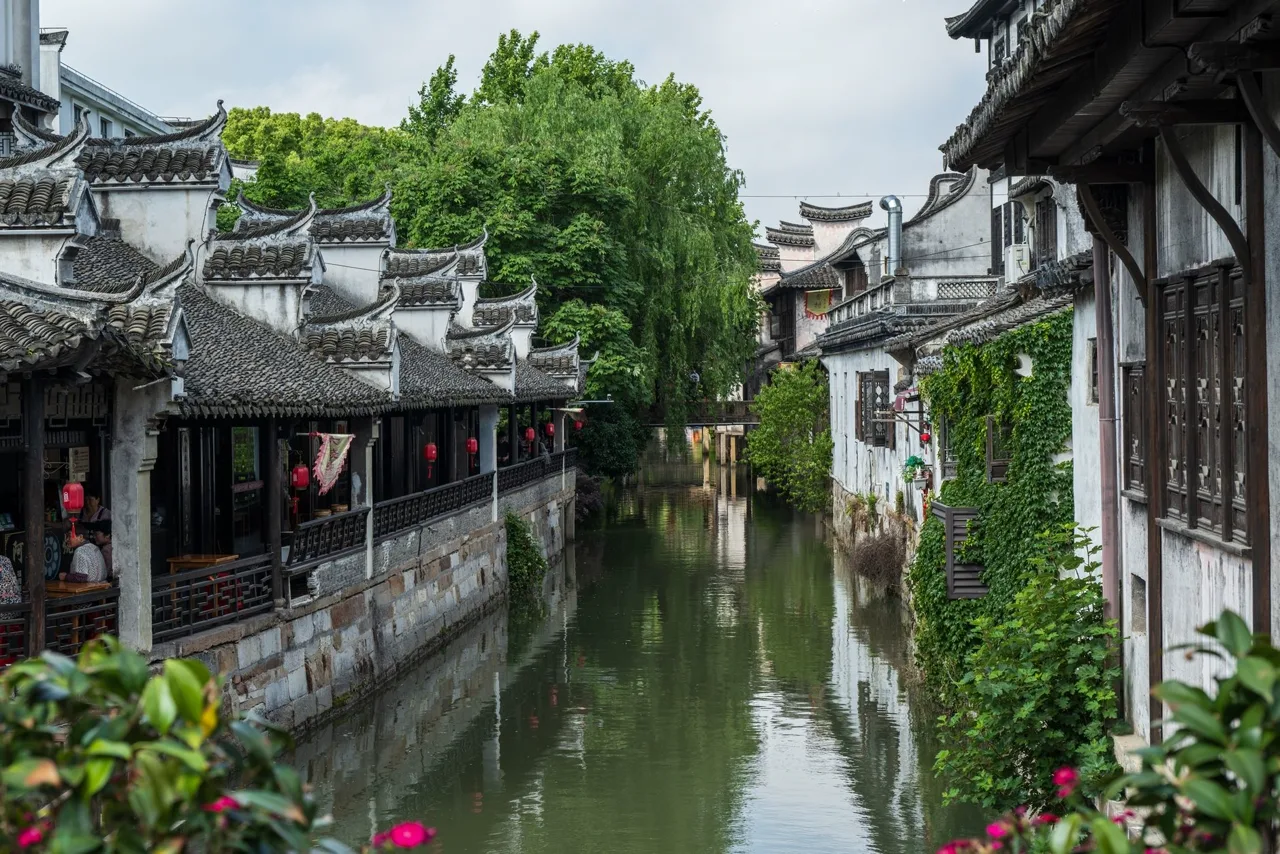
The heritage of the Grand Canal can be seen in large structures, but also in smaller scenes. Stone bridges arch over narrow water. Old towpaths follow the bank. A warehouse wall may remain behind a modern street. In some cities, restored canal neighborhoods now attract visitors with evening lights and waterside walks. In quieter towns, the canal may look like part of the background, used by residents who have known it all their lives.
That ordinary beauty is important. Heritage is not only what stands behind a ticket gate. It is also the way a city’s shape remembers water. Streets run parallel to old banks. Markets cluster near former docks. Place names preserve the memory of bridges, granaries, ferries, and gates. Even when the original function has faded, the canal continues to organize local imagination.
A difficult heritage to protect
Protecting the Grand Canal is complicated because it is not one building. It passes through many provinces, cities, and landscapes. Some sections remain active waterways. Others are archaeological traces. Some have been beautifully restored. Others face pressure from development, pollution, traffic, or neglect. The challenge is to protect both the physical remains and the living context around them.
A canal without people can become a postcard. A canal with uncontrolled development can lose its historical character. The balance is delicate. Good preservation keeps water quality, historic structures, local communities, and public access in mind. It allows residents to benefit from heritage tourism without turning their neighborhoods into stage sets.
How to visit the Grand Canal thoughtfully
For travelers, the Grand Canal rewards slow attention. Instead of trying to “see the canal” as one attraction, choose a city or town and follow the water for a while. Look for bridges, old warehouses, museums, boat routes, and markets. Ask what goods once moved through the area. Notice whether the canal feels ceremonial, commercial, residential, or quiet. Each section has its own personality.
Canal museums can be especially helpful because they explain the relationship between local life and national history. A model of a lock, a map of grain routes, or a display of boat tools can make the system easier to imagine. But the best moment may come outside, when you stand by the water and realize that this calm surface once carried the work of an empire.
Why the canal still matters
The Grand Canal matters because it reminds us that Chinese history was built through connection. Dynasties are often described through emperors, wars, and capitals, but a country also depends on routes: roads, rivers, ports, passes, and canals. These routes shape what people eat, where towns grow, how officials govern, and how culture travels.
Today, high-speed trains and expressways have changed movement in China, but the Grand Canal offers a different lesson. It shows the patience of infrastructure and the long memory of water. It tells us that heritage can be both grand and practical. A canal may begin as an engineering solution, but over centuries it becomes a home for markets, stories, work, and identity. That is why the Grand Canal remains one of China’s most meaningful historical landscapes.