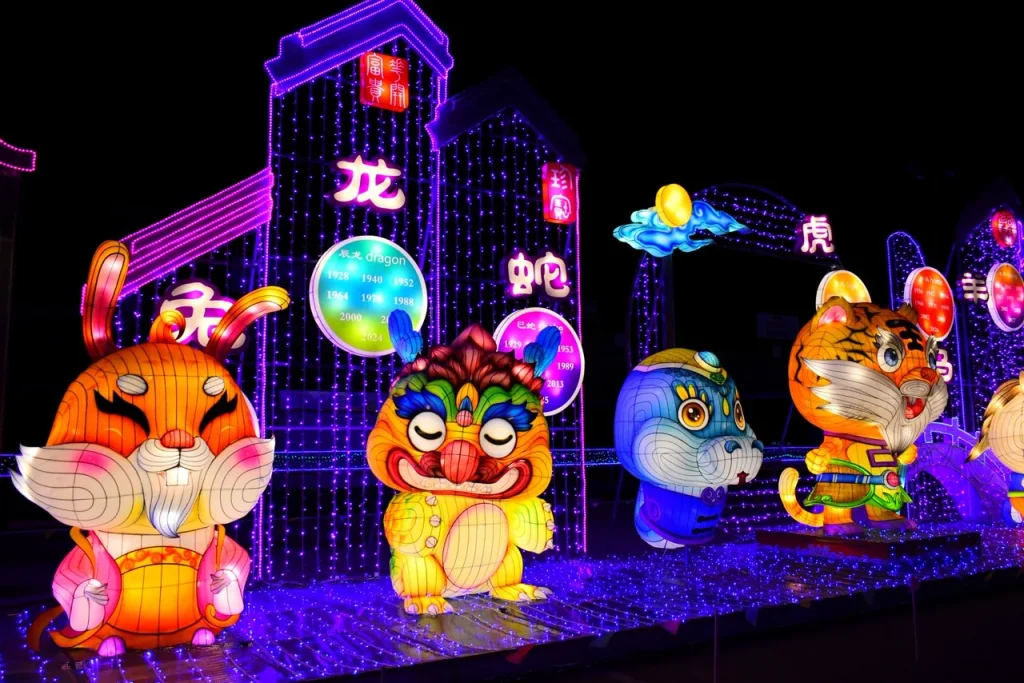
The Chinese zodiac, or shengxiao, gives each year an animal sign in a repeating cycle of twelve: Rat, Ox, Tiger, Rabbit, Dragon, Snake, Horse, Goat, Monkey, Rooster, Dog, and Pig. Many people first meet the zodiac through Chinese New Year decorations, but the animals are not limited to one holiday. They appear in family conversations, gift designs, children’s books, calendars, jewelry, stamps, temple fairs, and casual jokes about personality.
The zodiac is easy to remember because it turns time into characters. A year does not feel abstract when it has an animal face. People can say someone was born in the Year of the Dragon or the Year of the Rabbit, and immediately the year carries mood, story, and expectation.
A calendar with personality
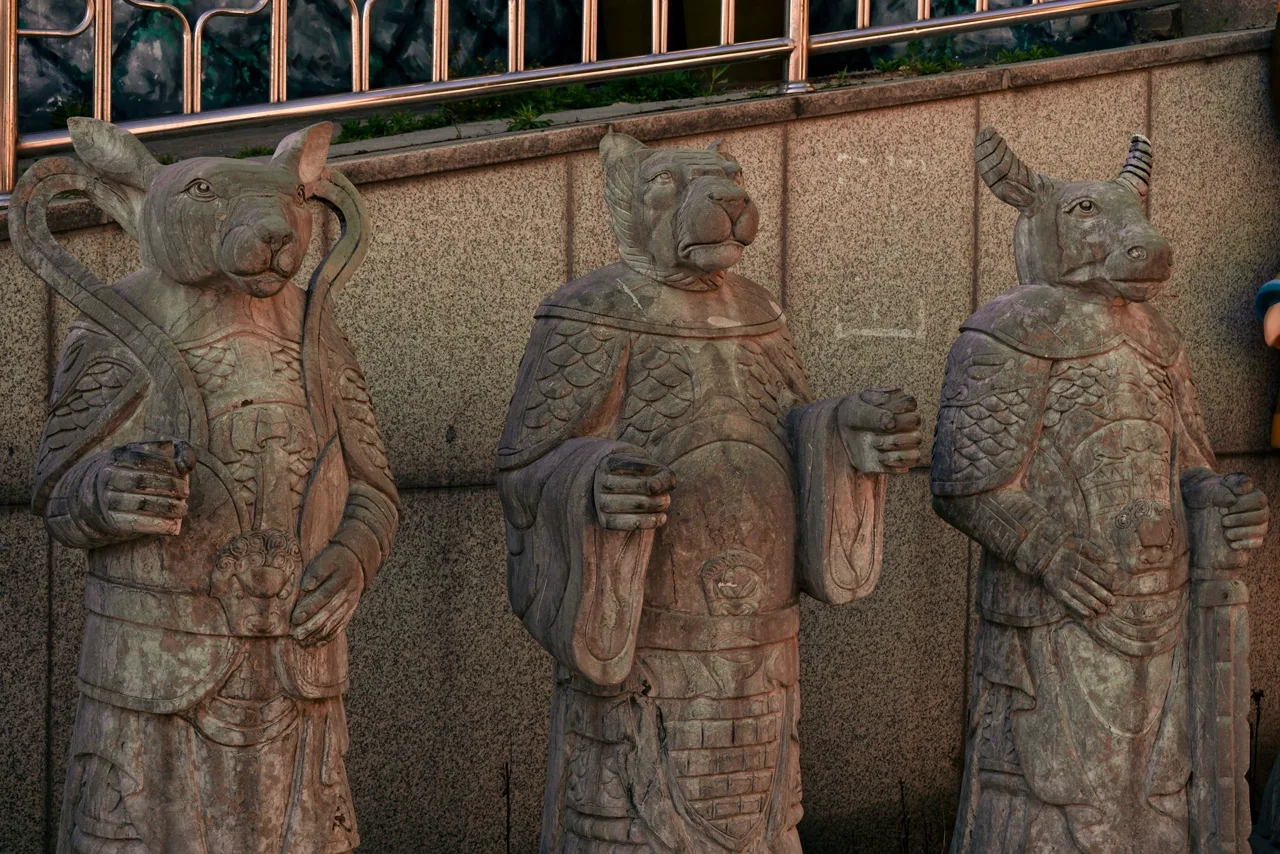
The zodiac belongs to a broader system of counting time. It connects with the lunar calendar, festival dates, and traditional cycles. Today, most people use the modern calendar for school, work, travel, and bills, but zodiac years still help mark cultural time. They make New Year greetings feel specific: a dragon year sounds different from a rabbit year.
This is why zodiac imagery becomes especially visible during Spring Festival. Shops sell animal-themed lanterns, red envelopes, toys, couplets, and decorations. The changing date of Chinese New Year can confuse newcomers, so it helps to understand the larger rhythm explained in TodayChinese’s guide to Chinese festival calendars.
Animals as symbols, not strict destiny
People often describe zodiac animals with personality traits. Dragons may be associated with confidence and power. Rabbits may suggest gentleness. Oxen may imply patience and hard work. Monkeys may feel clever and lively. These associations are playful and culturally meaningful, but they should not be treated as fixed rules about real people.
In daily life, zodiac talk is often light. Relatives may joke that a child is energetic because of their animal year. A couple may check whether signs are compatible. A shop may design products around the year’s animal. The symbolism works because it is familiar enough for everyone to understand, but flexible enough not to control life completely.
Why the dragon is different
The dragon stands out because it is mythical and strongly connected with power, luck, and cultural pride. Dragon years often receive special attention. Some families like the idea of having a “dragon baby,” and brands eagerly use dragon designs. The animal is not simply a monster. In Chinese culture, dragons are linked with water, vitality, imperial imagery, and auspicious energy.
At the same time, every animal has its own charm. The zodiac cycle would be boring if it were only about the dragon. The quiet animals, comic animals, and hardworking animals give the calendar variety. Each year changes the emotional color of public decoration.
Gifts, red envelopes, and family memory
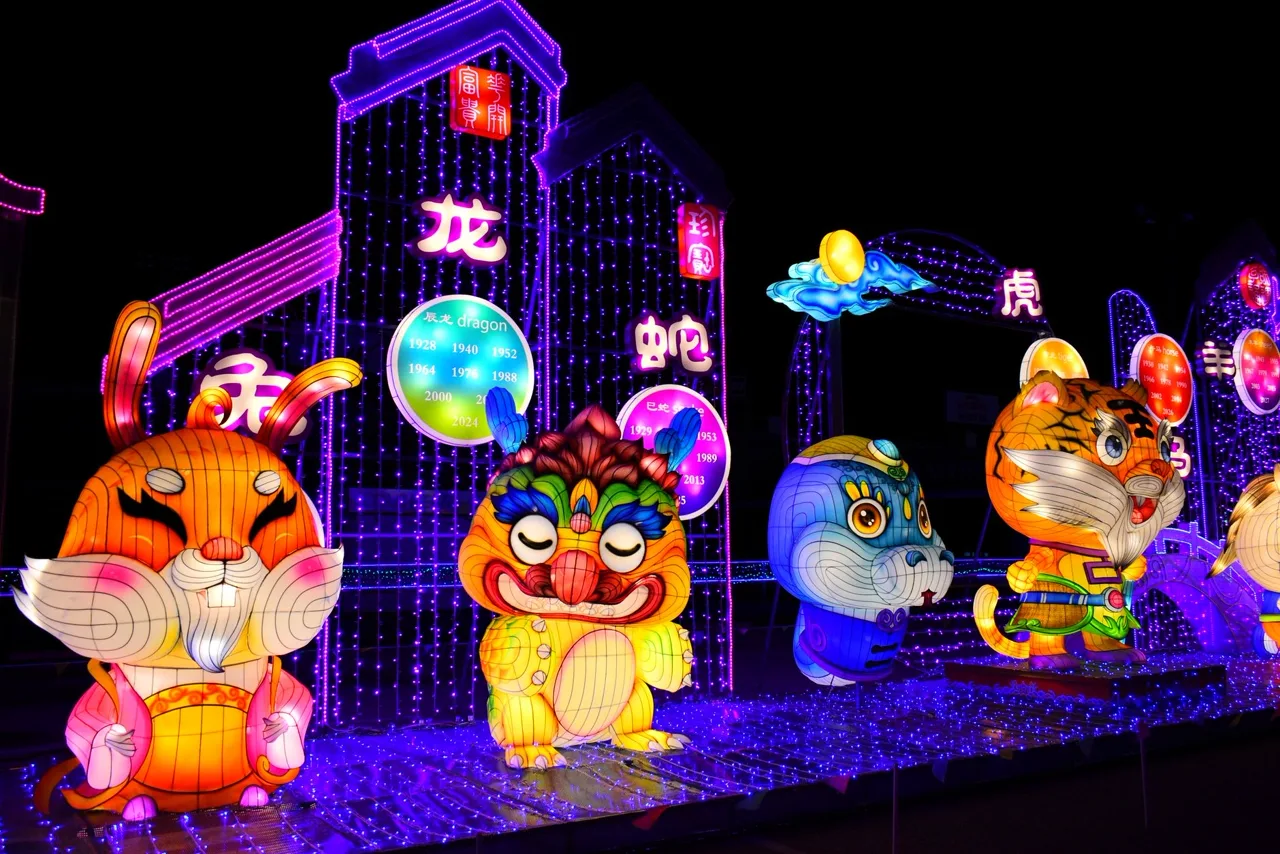
Zodiac animals often appear on red envelopes, especially for children. A child born in a certain year may receive toys, pendants, or keepsakes with that animal. These objects become personal memory. Years later, someone may still remember a small tiger charm or rabbit envelope from childhood.
This connects the zodiac to the etiquette and warmth of red envelopes in Chinese culture. The money matters, of course, but the design also matters. A red packet with the year’s animal says the gift belongs to this moment in the cycle.
Language, art, and design
The zodiac is also a design system. Calligraphers write animal names. Artists create paper cuts. Museums display historical zodiac objects. Brands turn animals into mascots. Children learn the sequence through songs and stories. In this way, the zodiac helps link language, image, and time.
Like the Fu character for blessing, zodiac animals show how symbols move between writing, decoration, and daily belief. They are not locked inside textbooks. They sit on doors, phones, envelopes, cakes, and shopping bags.
Why it still works
The zodiac survives because it is useful socially. It gives people an easy way to talk about age without stating a number directly. It gives festivals fresh imagery each year. It gives families a shared language for joking, blessing, and remembering. It gives designers a ready-made cultural vocabulary.
Most importantly, it makes time feel alive. A year becomes a creature walking through family life. Then another animal arrives, and the cycle continues.