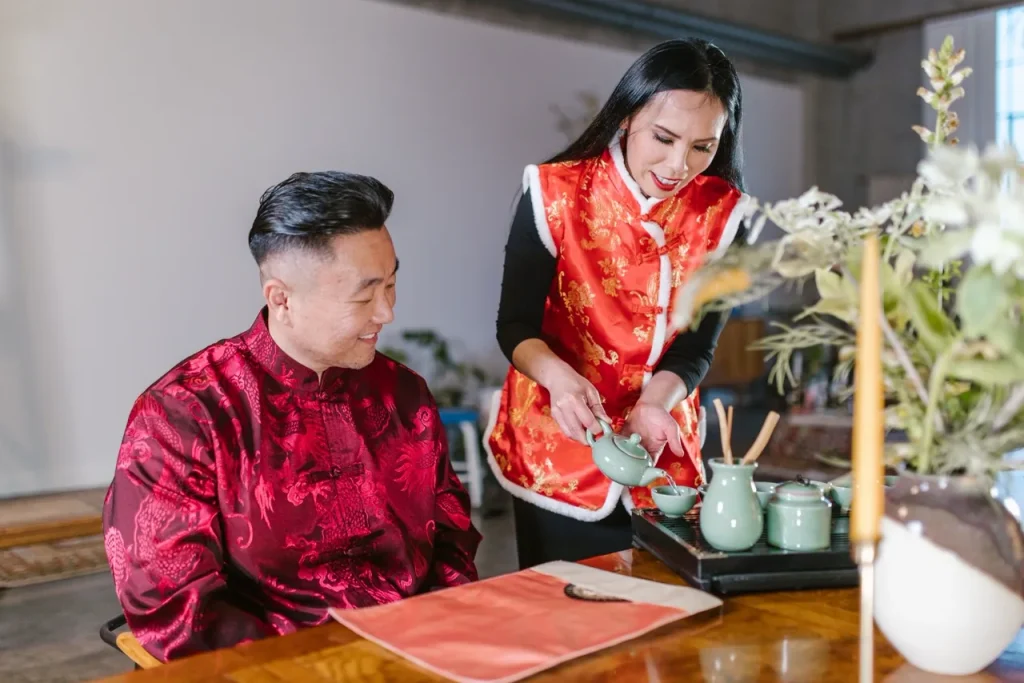
Chinese tea etiquette does not always announce itself as ceremony. Sometimes it is a host warming small cups before pouring. Sometimes it is a guest tapping two fingers on the table to say thanks without interrupting conversation. Sometimes it is the quiet habit of filling other people’s cups before your own. These gestures are small, but they make a cup of tea feel respectful.
Tea culture in China is broad. It includes formal tastings, family visits, business meetings, restaurant pots, teahouse afternoons, and paper cups carried from modern tea shops. The etiquette changes with setting, but the heart is usually the same: notice the people around the table.
Serving others first
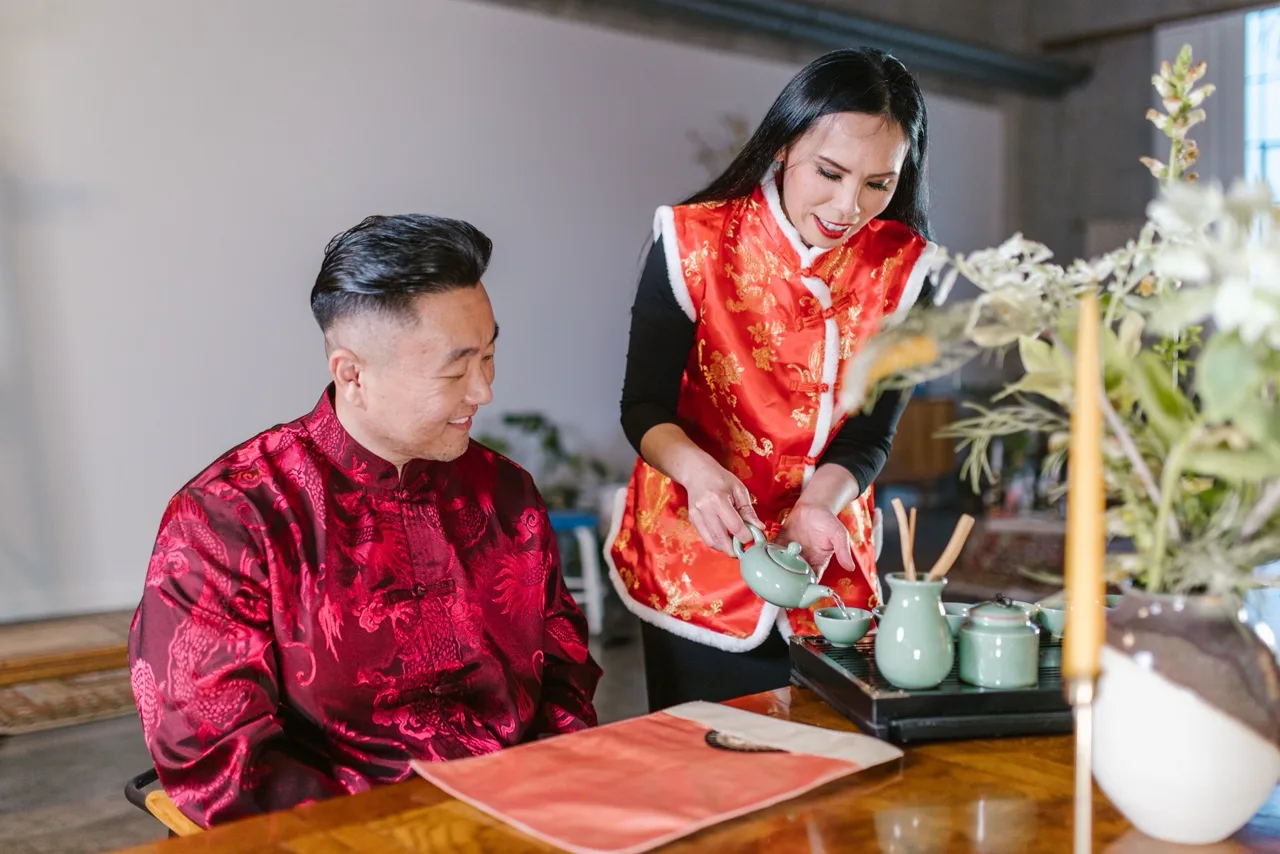
One of the simplest rules is to serve others before yourself. A host watches empty cups, pours at a steady pace, and avoids making guests ask. The guest receives the tea with attention. Even if the scene is casual, the action says that people matter more than the drink.
This social awareness appears across Chinese food culture. At a shared hot pot meal, TodayChinese explains how people manage chopsticks, broth, dipping sauces, and timing in Chinese hot pot etiquette. Tea is quieter, but it carries the same habit of mutual care.
The finger tap thank-you
Many diners in southern China use a two-finger or three-finger tap on the table to thank someone for pouring tea. The gesture is often explained through a story about an emperor traveling in disguise, though versions vary. Whatever the origin, the modern function is practical. It lets people say thank you while conversation continues.
For newcomers, the gesture can feel charming because it is so small. It is not a dramatic bow. It is a tiny sound beside a cup. Yet it shows how etiquette can live in details.
Warm cups, fair cups, and pace
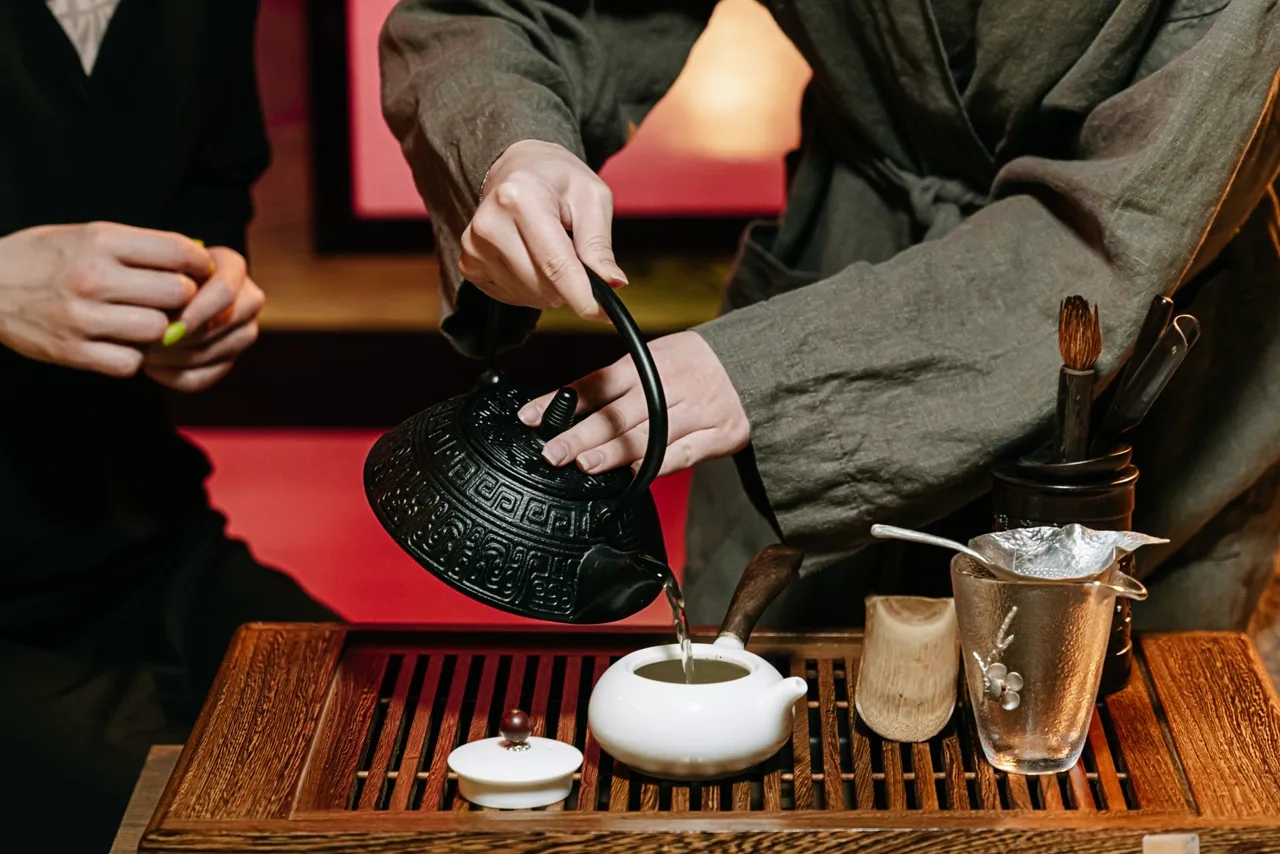
In gongfu-style tea brewing, cups may be warmed, leaves rinsed, and tea poured through a fairness pitcher so everyone receives a similar strength. The amount in each cup is small, encouraging repeated rounds rather than one large serving. The host controls water temperature, steeping time, and rhythm.
This is not only about taste. The pace creates a social space. People pause, sip, talk, and watch the color change. A good tea session gives attention to both leaves and guests.
Old tea habits in a new tea world
Modern China also has a lively new tea market: fruit teas, milk teas, cheese foam, cold brews, and branded cups. TodayChinese has written about China’s new tea shops and how young people turn an old drink into a daily habit. These shops may not use traditional teaware, but they still depend on social meaning. People buy tea for friends, bring drinks to the office, and share recommendations.
The old and new tea worlds are not enemies. A person can enjoy a careful oolong session on Sunday and order iced fruit tea on Monday. Both are part of the living culture of tea.
Space shapes behavior
Tea etiquette also depends on setting. A family living room is different from a business teahouse. A courtyard home offers a slower atmosphere than a shopping mall kiosk. Architecture can shape how people sit, serve, and speak. TodayChinese’s article on siheyuan courtyard homes shows how space reflects family order; a tea table does something similar on a smaller scale.
Clothing and mood can shape the scene too. A hanfu photo outing may include tea as an aesthetic prop, while a village visit may use tea as ordinary hospitality. In both cases, the cup helps people settle into the moment.
Respect without stiffness
The best tea etiquette is not stiff. It should make people comfortable, not anxious. A host who corrects every mistake can ruin the mood. A guest who notices basic gestures will usually be welcomed. The goal is respect, warmth, and shared attention.
A cup of tea becomes meaningful because someone offers it, someone receives it, and both understand that the exchange is more than liquid. Chinese tea etiquette teaches that culture often lives in the smallest gestures: a warmed cup, a careful pour, a finger tap, and the quiet offer of another round.