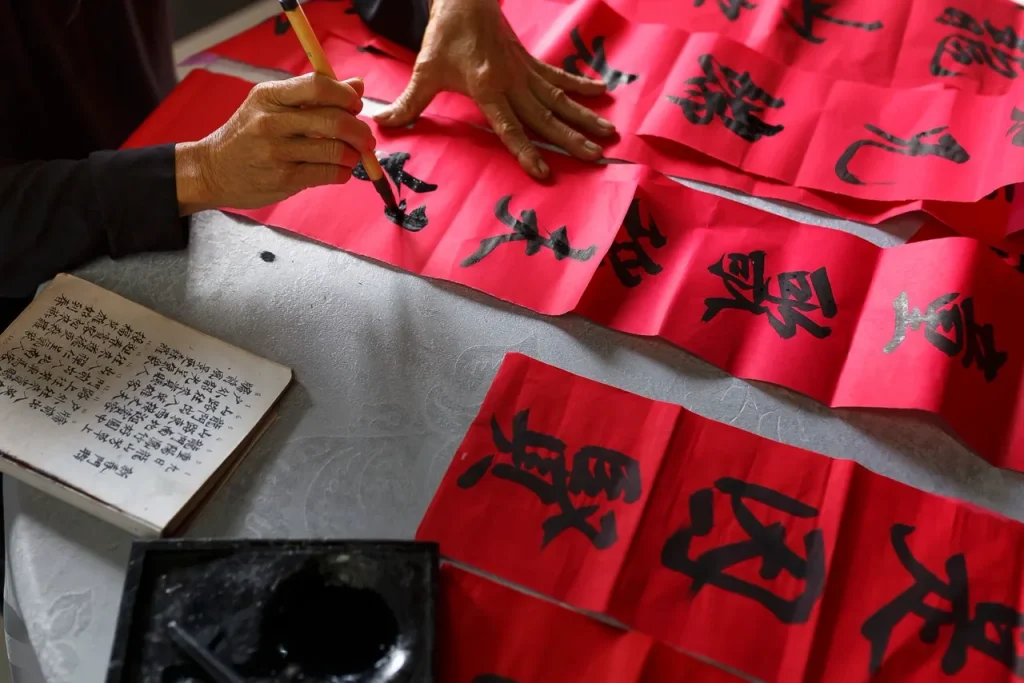
Oracle bone script is one of the oldest known forms of Chinese writing. It was carved on animal bones and turtle shells more than three thousand years ago, especially during the Shang dynasty. The marks were connected with divination: rulers and specialists asked questions about weather, harvests, warfare, illness, childbirth, and ritual, then interpreted cracks made by heat.
For modern readers, oracle bone script can look mysterious and surprisingly alive. Some signs resemble pictures. Others feel like distant ancestors of characters still used today. The script reminds us that Chinese writing did not appear fully formed. It grew from ritual, record keeping, political power, and the human desire to ask uncertain futures for answers.
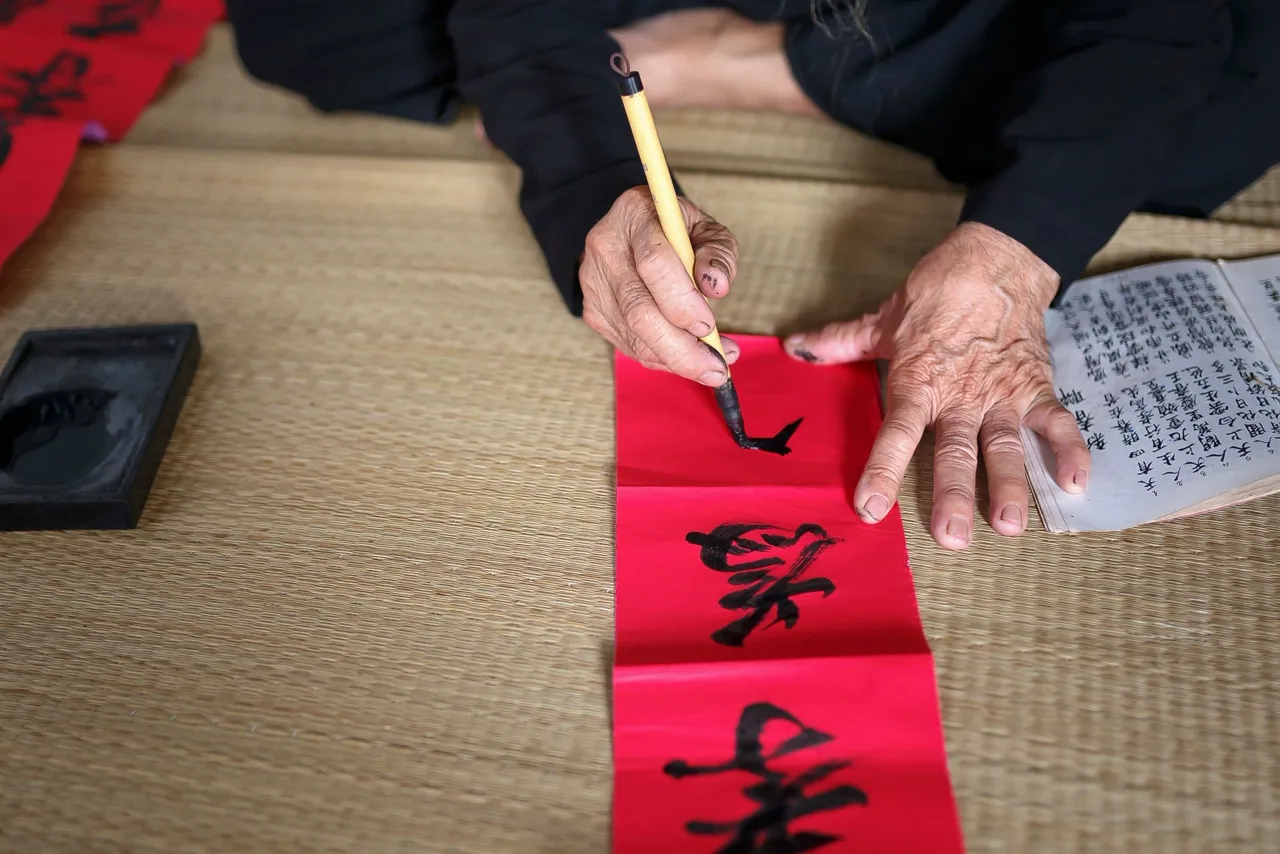
Writing on bone and shell
The term “oracle bone” usually refers to ox scapulae and turtle plastrons. After preparation, questions were carved or written onto the surface. Heat was applied, cracks appeared, and the cracks were interpreted. Sometimes the result or later verification was also recorded. These objects are therefore more than writing samples. They are documents of decision-making.
The questions can feel both royal and deeply human. Will it rain? Will the harvest be good? Will the king’s toothache improve? Is this day suitable for a ritual? Across millennia, the concerns remain understandable. Power changes, technology changes, but uncertainty remains.
From picture to character
Many oracle bone forms are more pictorial than modern Chinese characters. A sun may appear as a circle with a dot. A horse, person, or tree can be easier to imagine visually. Over centuries, writing became more standardized, abstract, and suited to brush, bamboo, silk, paper, print, and screens. The old carved forms evolved into later scripts.
This evolution is one reason language learners find oracle bone script fascinating. It helps reveal the visual roots of some characters, though not every modern character can be explained by a simple picture story. Responsible learning requires caution. Cute diagrams can be memorable, but real character history is often more complex than internet graphics suggest.
Why it matters to Chinese identity
Oracle bone inscriptions are important because they connect writing, archaeology, and early state history. They provide evidence for names, rituals, calendars, military activity, and political concerns. They also show the deep continuity of Chinese written culture. The modern writing system has changed greatly, but it can still look back to these carved beginnings.
This continuity gives Chinese characters unusual cultural weight. A character such as Fu, meaning blessing or good fortune, is not simply a sign on paper. It belongs to a long tradition in which writing can be read, displayed, gifted, stylized, and treated as an object of beauty.
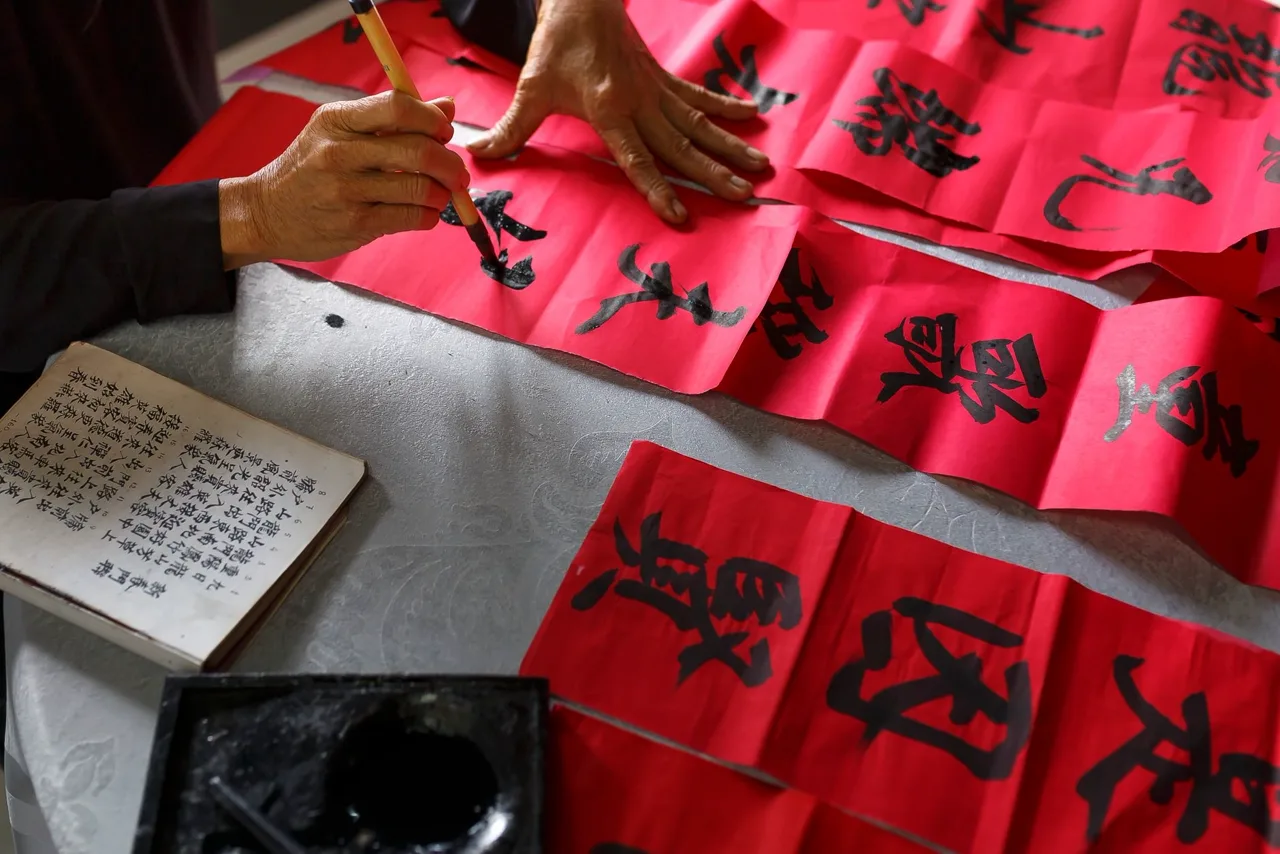
Museums and public curiosity
Oracle bones are now museum objects, research materials, and sources of public fascination. Exhibitions often use them to tell stories about early China, writing history, and archaeological discovery. For young visitors, seeing a real inscribed bone can make ancient history feel less abstract. It is one thing to read that writing is old; it is another to stand in front of carved marks made by a human hand thousands of years ago.
This fits the broader rise of museum interest among younger audiences, from evening openings to cultural merchandise. As TodayChinese noted in China’s summer museum nights, heritage becomes more approachable when institutions connect objects with everyday curiosity. Oracle bone script is perfect for that because it is visual, ancient, and still linked to modern language.
The danger of oversimplifying
Because oracle bone forms are visually attractive, they are often used in posters, logos, and educational content. That can be helpful, but it can also flatten history. Not every old form means what a modern viewer guesses. Not every character has one neat origin. Scholars spend years comparing inscriptions, contexts, and later forms.
The best approach is wonder plus humility. Enjoy the visual connection, but leave room for complexity. Ancient writing was not a puzzle invented for modern learners. It was part of a living ritual and political system, with its own rules and uncertainties.
Still alive in the present
Oracle bone script feels alive because it sits at the beginning of something still used. Modern Chinese characters appear on street signs, phones, books, red envelopes, wedding decorations, menus, and calligraphy scrolls. The line from carved bone to digital screen is not straight, but it is real enough to inspire awe.
Like the Grand Canal, oracle bone script shows how old systems can continue shaping cultural imagination long after their original world has changed. One carried goods and people through waterways. The other carried questions, names, and meanings through time. To look at oracle bone script is to meet Chinese writing at a moment when language, ritual, and power were still being carved into form.