Winter Solstice in China: Dumplings, Tangyuan, Ancestors, and the Return of Yang
What Is the Winter Solstice Festival?
The Winter Solstice, called Dongzhi in Chinese, is one of the most important seasonal days in the traditional Chinese calendar. It usually falls on December 21 or 22 in the Gregorian calendar, when the Northern Hemisphere experiences the shortest day and longest night of the year.
In Chinese tradition, Dongzhi is not simply a cold day. It marks a turning point. After the solstice, daylight slowly increases, so yang energy is believed to begin returning. The darkest moment contains the first sign of renewal. This idea made Dongzhi meaningful in philosophy, agriculture, family life, and state ritual.
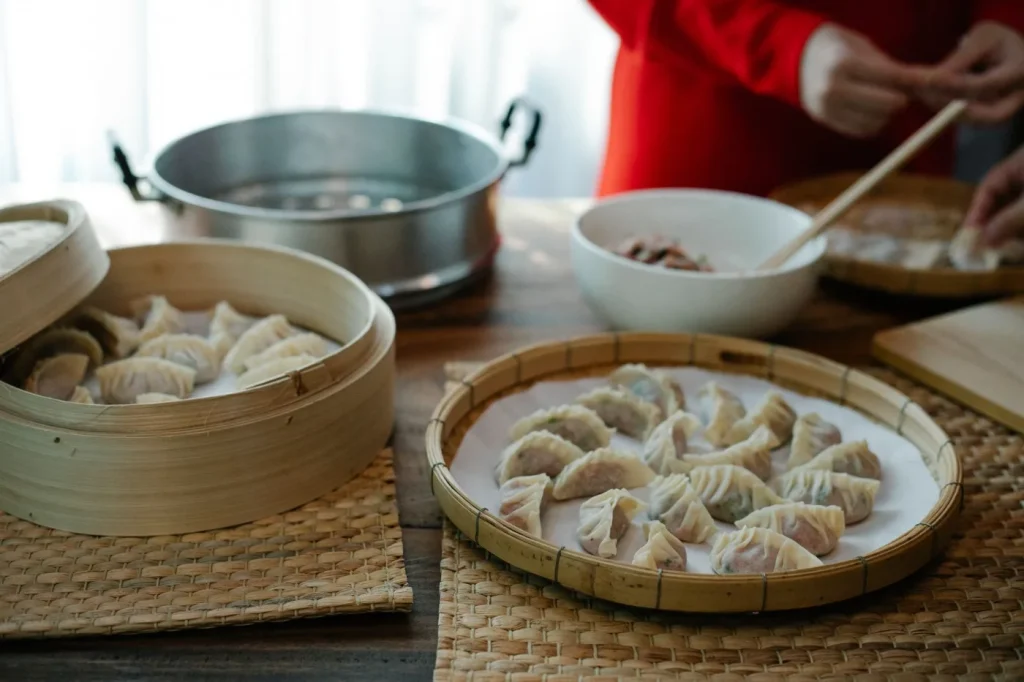
Today, many Chinese people know Dongzhi mainly through food. In northern China, families often eat dumplings. In southern China and many overseas Chinese communities, people eat tangyuan, sweet or savory glutinous rice balls. Both foods express warmth, reunion, and protection during winter.
Traditional Origins and Meaning
Dongzhi is one of the 24 solar terms, a system used in traditional China to track seasonal changes for farming and daily life. Unlike many lunar holidays, Dongzhi is based on the sun’s position, so it falls around the same date each year.
The festival’s deeper meaning comes from yin-yang thought. Winter is associated with yin: cold, darkness, stillness, and storage. At the winter solstice, yin reaches its extreme. But Chinese philosophy often sees extremes as turning points. When yin is fullest, yang begins to grow again. For this reason, Dongzhi became a day of hope as well as cold.
In ancient China, the solstice was also connected to political order. Emperors performed rituals to Heaven, praying for harmony between the human world and the cosmos. The famous Temple of Heaven in Beijing is often associated with imperial ceremonies of this type, although specific rituals varied by dynasty.
For ordinary families, the day became a time to honor ancestors, strengthen kinship, and eat nourishing foods for winter health.
How Ordinary People Traditionally Celebrated
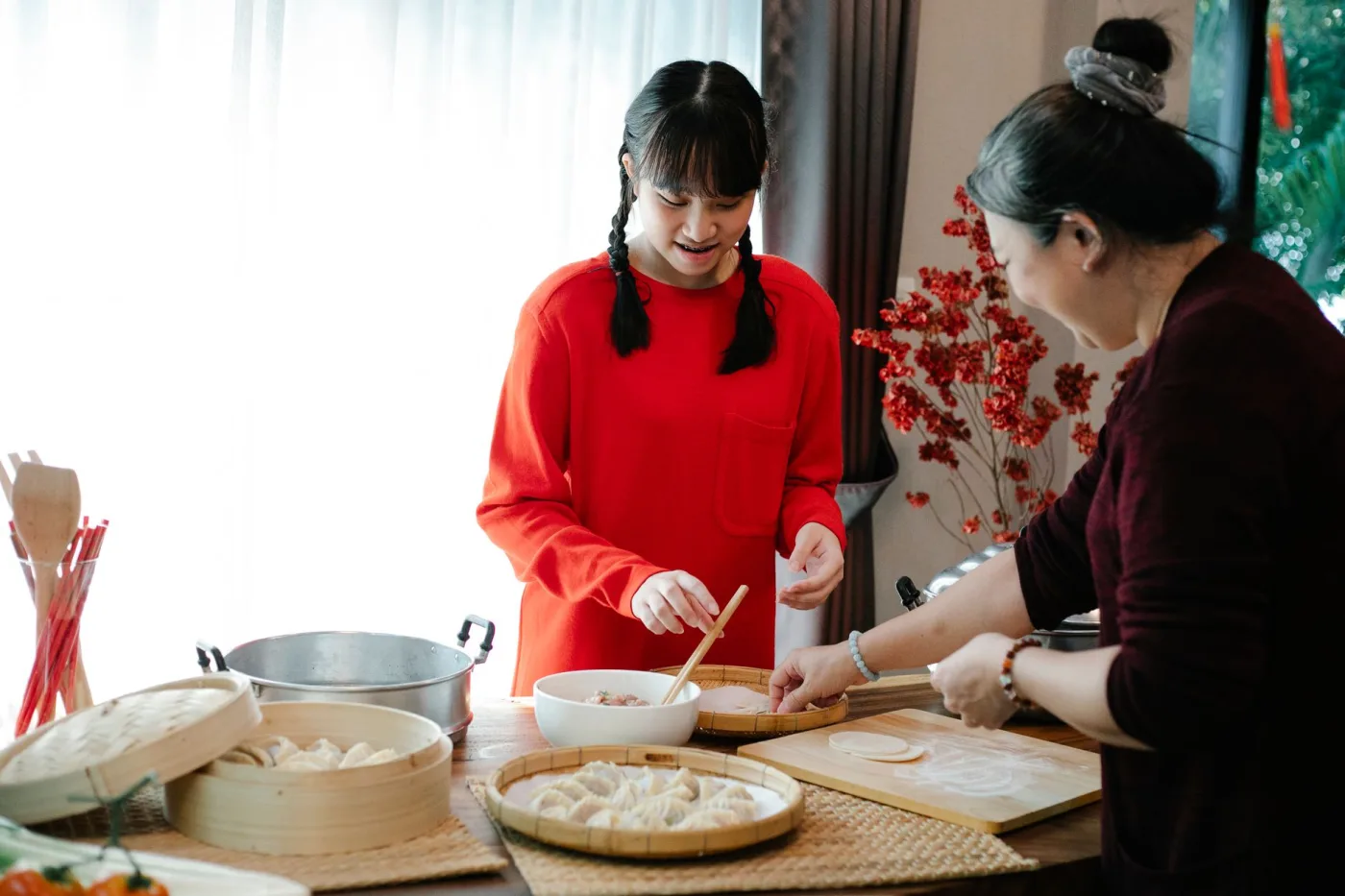
In many households, Dongzhi was a family day. People prepared offerings for ancestors, including incense, wine, meat, rice, fruits, or special festival foods. After the ritual, the family shared a meal. The ancestor ceremony reminded people that family was not only the living members at the table but also the generations before them.
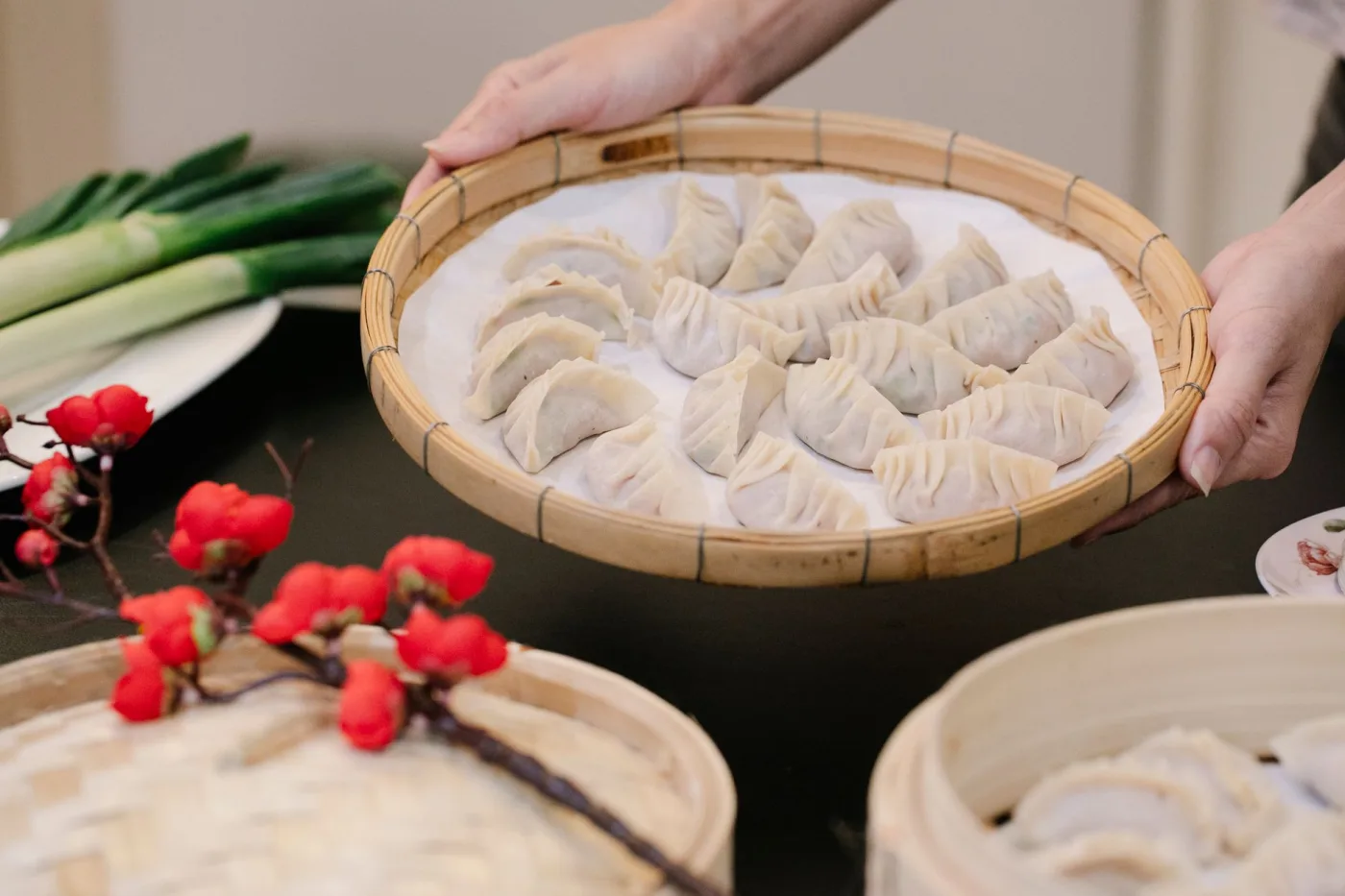
Food traditions varied strongly by region. In the north, dumplings became the classic Dongzhi food. A popular story connects this custom to Zhang Zhongjing, a famous physician of the Eastern Han period. According to legend, he saw poor people suffering from frostbitten ears in winter, so he made a medicinal food shaped like ears using dough, meat, and warming herbs. This story is often used to explain why northerners say that eating dumplings at Dongzhi prevents one’s ears from freezing.
In the south, tangyuan became more common. These round rice balls symbolize reunion because their shape is round and their name suggests family togetherness. They may be filled with sesame paste, peanut, red bean, or left plain in a sweet soup. In some regions, savory tangyuan are eaten with vegetables, meat, or broth.
How Dongzhi Was Observed in History
Historically, Dongzhi could be a major ceremonial occasion. In some dynasties, it was treated almost like a new beginning because the return of yang suggested renewal. Officials might receive a holiday, and court rituals emphasized cosmic order.
Among scholars and local elites, the day could include formal ancestor worship and family gatherings. Genealogies, clan halls, and ancestral tablets played important roles in some regions. The festival strengthened the idea that families were continuous lines stretching across time.
In rural communities, Dongzhi was also practical. Farmers understood that the deepest winter period was beginning, even though daylight would now increase. People prepared warm foods, preserved ingredients, and paid attention to health. Traditional Chinese medicine influenced the choice of warming dishes, including lamb, ginger, rice wine, and rich soups in some regions.
Over the centuries, Dongzhi developed many local names and practices. Some areas said that after eating tangyuan, a person became one year older. Others made special rice cakes, wontons, noodles, or red bean rice.
How People Celebrate Today
Today, Dongzhi is not a national public holiday in mainland China, but it remains widely recognized. Many families still make or buy dumplings or tangyuan. Restaurants, supermarkets, and delivery apps promote seasonal foods. Social media fills with photos of bowls of tangyuan, plates of dumplings, and greetings wishing warmth and reunion.
In northern cities such as Beijing, Tianjin, and many parts of Shandong, Hebei, Henan, and the northeast, dumplings are strongly associated with the day. Friends may joke: “Remember to eat dumplings, or your ears will freeze.” Even people who do not believe the story enjoy the custom.
In southern China, especially in Jiangnan, Fujian, Guangdong, Taiwan, and among many overseas Chinese communities, tangyuan are central. Families may gather for a simple dessert soup after dinner. In some places, ancestor worship remains important, though in urban families it may be simplified.
Young people living away from home may order dumplings or tangyuan for themselves. The meal becomes a small emotional ritual, a way to feel connected to home in the middle of winter.
Historical and Modern Differences
The largest difference is the decline of formal ritual. In imperial times, Dongzhi could involve state ceremonies, official calendars, and elaborate family ancestor rites. Today, many people experience it mainly as a food custom.
Another change is convenience. Instead of grinding rice flour or making dumpling wrappers by hand, people often buy frozen dumplings, packaged tangyuan, or restaurant meals. This makes the festival easier to observe but can reduce the family labor that once brought generations together.
Still, the symbolic meaning remains recognizable. Round tangyuan still suggest reunion. Dumplings still suggest warmth and protection. The solstice still marks the turning of the year from darkness toward light. Even a quick meal ordered after work can carry an old seasonal feeling.
Common Foods and Customs
The two most famous Dongzhi foods are dumplings and tangyuan. Dumplings are usually filled with pork, lamb, beef, cabbage, chives, mushrooms, or other ingredients. Tangyuan may be sweet with black sesame, peanut, or red bean paste, or savory with meat and vegetables.
Other regional foods include wontons, rice cakes, red bean rice, lamb soup, mutton hot pot, ginger duck, and glutinous rice dishes. Many of these foods are warming, filling, and suitable for the cold season.
Customs include ancestor offerings, family meals, visiting elders, eating nourishing foods, and paying attention to winter health. In some families, Dongzhi is still considered a day when everyone should try to come home for dinner.
Tips for Foreign Readers
A useful way to understand Dongzhi is to think of it as a seasonal festival of return. It does not have the fireworks of Lunar New Year or the bright lanterns of Mid-Autumn Festival, but it carries a quiet warmth.
The festival shows how Chinese culture connects astronomy, philosophy, food, medicine, and family. The shortest day is not only a scientific fact; it becomes a moment to eat together, remember ancestors, and trust that light will return.
If you are invited to a Dongzhi meal, ask whether the family eats dumplings or tangyuan. The answer may tell you something about their region, family history, and sense of home. Eating a simple bowl of tangyuan or a plate of dumplings is one of the easiest ways to taste the meaning of the Chinese winter.