Double Ninth Festival: Climbing High, Honoring Elders, and Enjoying Autumn in China
What Is the Double Ninth Festival?
The Double Ninth Festival, known in Chinese as Chongyang Jie, falls on the ninth day of the ninth month of the Chinese lunar calendar. Because the number nine is considered a strong yang number in traditional Chinese thought, two nines together create “double yang,” or Chongyang. The holiday usually lands in October, when the weather is cool, the sky is clear, and chrysanthemums are in bloom.
For many many people in China today, the festival is associated with respecting elders. In mainland China, it is also connected with Senior Citizens’ Day, making it a time to visit parents and grandparents, organize activities for older people, and reflect on aging with dignity.
But the festival is older and richer than a modern elderly-care holiday. Its traditional customs include climbing mountains, wearing or carrying zhuyu (cornelian cherry or dogwood), drinking chrysanthemum wine, eating Double Ninth cake, admiring autumn scenery, and remembering ancestors. It is a festival about height, longevity, protection, and the beauty of late autumn.
Traditional Origins and Cultural Meaning
The roots of the Double Ninth Festival lie in ancient ideas about numbers, seasons, and protection from misfortune. In the Yijing tradition and broader yin-yang thinking, odd numbers are yang. Nine is the largest single-digit odd number, so it carries a sense of fullness and power. The ninth day of the ninth month was therefore considered especially yang—powerful, but also potentially excessive. Some customs developed as ways to avoid danger and restore balance.
One well-known legend tells of a man named Huan Jing, who was warned by a Daoist master that disaster would come to his village on the ninth day of the ninth month. The master told him to take his family to a high place, carry zhuyu, and drink chrysanthemum wine. When they returned, they found their livestock dead, suggesting that the family had escaped a calamity. This story helped explain why people climbed high and used protective plants during the festival.
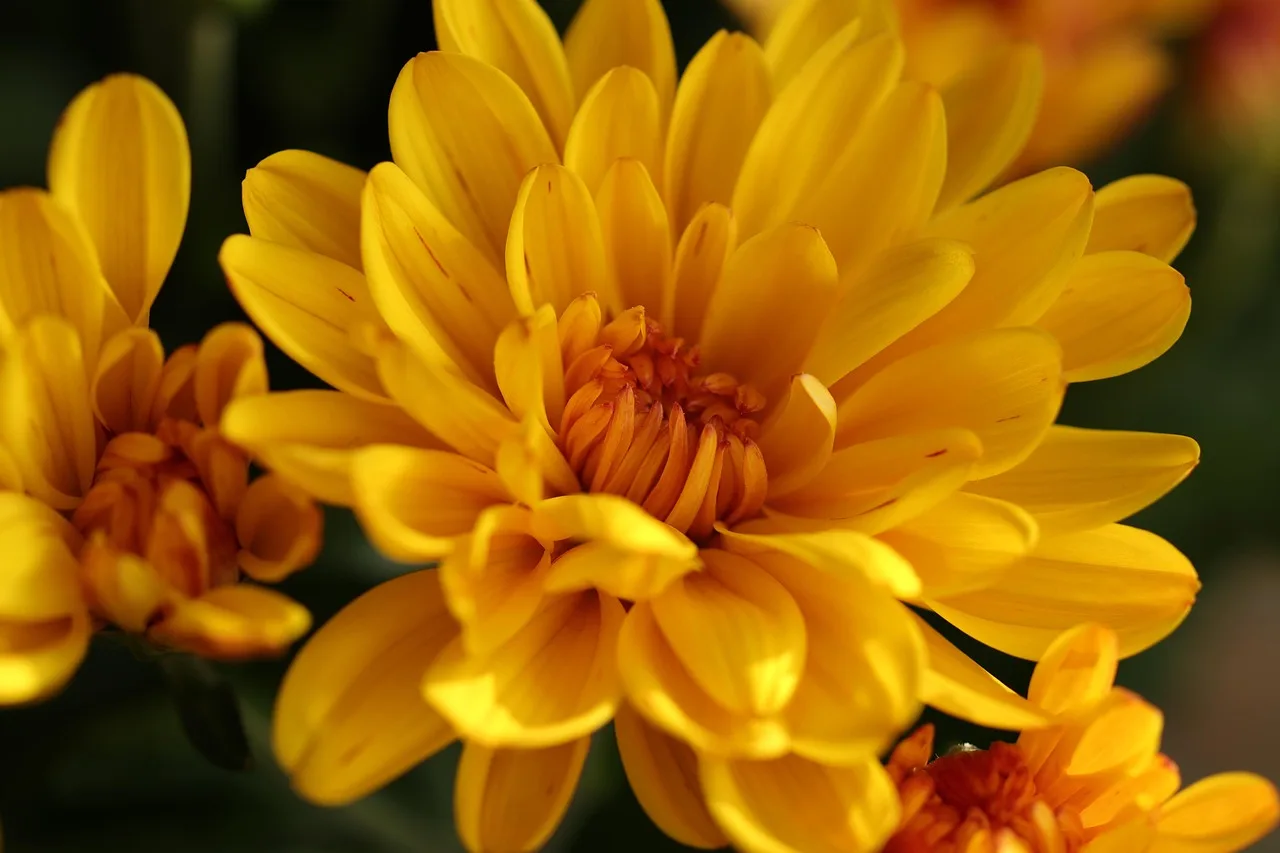
Chrysanthemums also became important because they bloom in autumn and are associated with endurance, purity, and longevity. While spring flowers suggest youth, chrysanthemums suggest a graceful life that remains strong when the weather turns cold.
How Ordinary People Traditionally Celebrated
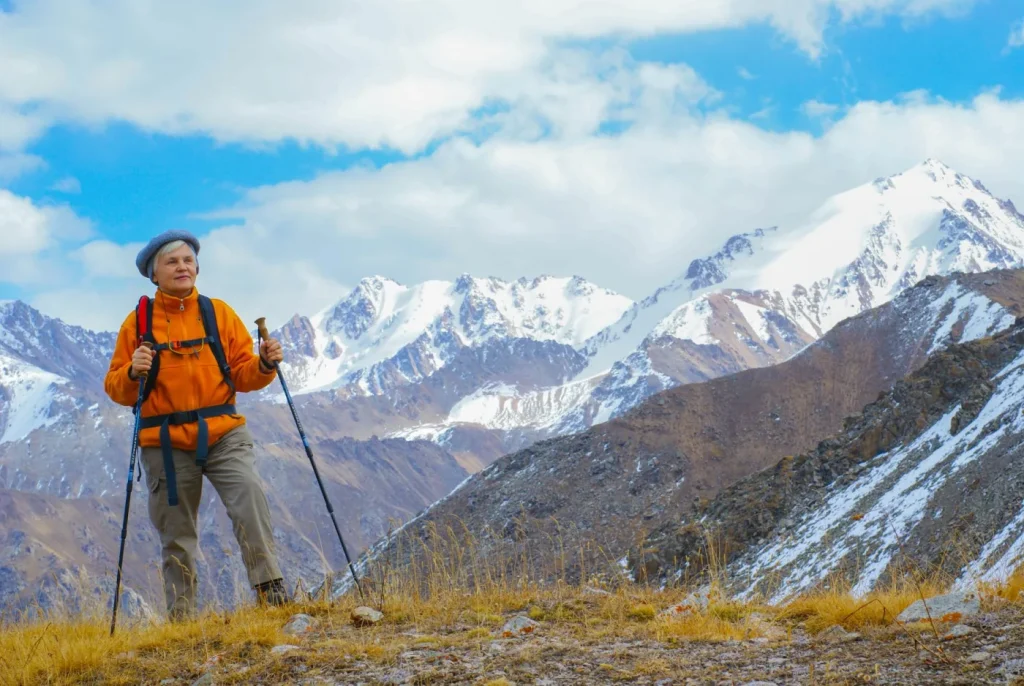
For everyday families, the Double Ninth Festival was often a chance to go outdoors after the busy farming season. Families or friends climbed hills, city walls, towers, or nearby high places. Climbing high, or denggao, carried multiple meanings: avoiding misfortune, gaining a broader view, and wishing for progress in life.
People wore or carried zhuyu, an aromatic plant believed to ward off illness and evil influences. Chrysanthemum wine was prepared in some households, especially among families that had access to the flowers and grain wine. Drinking it was believed to support health and long life.
Another common food was Double Ninth cake, or chongyang gao. The word gao, meaning cake, sounds like the word for “high,” so eating it symbolized rising higher. In some regions, parents placed a piece of cake on a child’s forehead while saying lucky words, hoping the child would grow well and reach new heights.
The day could also include ancestor offerings. Because the ninth lunar month is close to the end of the agricultural year, some communities used the festival to visit graves, clean tombs, or hold family remembrance rituals.
How the Festival Appeared in History
The Double Ninth Festival was already recognized in early imperial China and became especially popular among scholars and officials. The custom of climbing high was not only folk practice but also a literary theme. Poets wrote about autumn landscapes, farewell gatherings, homesickness, and the sadness of being far from family during the festival.
One of the most famous poems connected to the holiday is Wang Wei’s “Thinking of My Brothers in Shandong on the Ninth Day of the Ninth Month.” The poem describes being a stranger in a foreign land and missing family even more during festivals. It mentions brothers climbing high and wearing zhuyu, making the holiday a symbol of separation and longing.
During the Tang and Song dynasties, Chongyang outings became fashionable. Literati enjoyed wine, poetry, chrysanthemums, and mountain views. In later periods, local customs varied widely. Some places emphasized ancestor worship; others emphasized outdoor recreation or chrysanthemum appreciation. The festival was never as universally family-centered as Lunar New Year or Mid-Autumn Festival, but it remained an important seasonal marker.
How People Celebrate Today
Modern Double Ninth celebrations are quieter than those for Lunar New Year, Mid-Autumn Festival, or Dragon Boat Festival. Many urban families may not hold a formal celebration, but the festival still appears in schools, community centers, senior homes, parks, and cultural programs.
Because the holiday is now linked with respect for elders, communities may organize free health checks, performances, volunteer visits, hiking events for seniors, or family activities encouraging younger people to visit grandparents. Schools sometimes teach children to make greeting cards, call older relatives, or learn poems about Chongyang.
Mountain climbing remains popular where the weather and geography allow it. Parks and scenic areas may become crowded with hikers, especially older adults who enjoy outdoor exercise. Chrysanthemum exhibitions are also common in some cities. Families may share chongyang cake, though it is less commercially dominant than mooncakes during Mid-Autumn Festival.
On social media, the festival is often represented by warm messages about parents, grandparents, aging, and health. Younger people may send greetings even if they do not know all the older customs.
Historical and Modern Differences
The main change is the shift from protection and seasonal ritual to elderly respect and public welfare. In ancient times, people climbed high partly to avoid misfortune and used plants and wine with protective meanings. Today, these beliefs are often understood as cultural heritage rather than literal protection.
Another difference is the weakening of home-based ritual. Many people no longer prepare chrysanthemum wine or wear zhuyu. Instead, the festival may be marked by a phone call to grandparents, a community event, or a short news feature about caring for the elderly.
However, the modern meaning is not artificial. Longevity was always part of the festival’s symbolism. Chrysanthemums, high places, the number nine, and autumn all pointed toward long life and resilience. The modern focus on seniors extends this older theme into contemporary society.
Common Foods and Customs
The most representative food is Double Ninth cake. It can be steamed, layered, decorated with dates, nuts, seeds, or colored rice flour, and shaped differently by region. The idea is more important than a single recipe: eating gao expresses the wish to rise higher and live better.
Chrysanthemum wine, chrysanthemum tea, and chrysanthemum-themed snacks may also appear. In some places, people enjoy seasonal foods such as crabs, chestnuts, persimmons, and autumn fruits.
Key customs include climbing high, admiring chrysanthemums, wearing zhuyu, drinking chrysanthemum wine, visiting elders, sweeping ancestral graves in some regions, and reciting or studying classic poems related to the festival.
Tips for Foreign Readers
Foreign readers may find the Double Ninth Festival harder to recognize because it is not always celebrated with large public decorations. Its meaning is subtle. It combines old Chinese numerology, autumn health practices, poetry, family feeling, and modern respect for older generations.
If you are in China during the festival, a simple greeting to an older person, a visit to grandparents, or a walk in a park can fit the spirit of the day. If you see people climbing mountains or viewing chrysanthemums, remember that these are not random autumn hobbies. They carry centuries of wishes for safety, height, health, and long life.
The festival also offers a useful window into Chinese ideas about aging. Rather than treating old age only as decline, Chongyang culture values endurance, memory, and the beauty of the later season of life.