Hanshi Festival: China’s Ancient Cold Food Festival Before Qingming
What Is the Hanshi Festival?
The Hanshi Festival, often translated as the Cold Food Festival, is one of China’s oldest springtime observances. It traditionally fell one or two days before Qingming Festival, around early April, when the weather turns warmer and families begin to visit ancestral graves. Although Hanshi is much less visible today than Qingming, it once had its own strong identity: people avoided lighting fires, ate prepared cold food, remembered loyal officials and ancestors, and welcomed spring with outdoor activities.
For international readers, Hanshi can be confusing because it is closely connected with Qingming, and in many places the two have gradually merged. Qingming is now the better-known public holiday for tomb sweeping, while Hanshi survives mainly in historical memory, regional customs, literature, and food traditions. But understanding Hanshi helps explain why early-April Chinese festivals combine three themes that may seem unrelated at first: mourning, loyalty, and spring renewal.
Traditional Origins: The Story of Jie Zitui
The most famous origin story of Hanshi is linked to Jie Zitui, a loyal follower of Duke Wen of Jin during the Spring and Autumn period. According to legend, before Duke Wen became ruler, he lived in exile for many years. Jie Zitui followed him through hardship and was said to have cut flesh from his own thigh to make soup for the starving prince. After Duke Wen finally returned to power, he rewarded many supporters but forgot Jie Zitui.
Jie Zitui did not demand a reward. Instead, he withdrew to a mountain with his mother. When Duke Wen later realized his mistake, he went to find him. Unable to persuade Jie to come out, the duke reportedly ordered the mountain burned, hoping Jie would escape the flames. Tragically, Jie and his mother died in the fire. Filled with remorse, Duke Wen ordered that no fires be lit on that day each year. People would eat only cold food in memory of Jie Zitui’s integrity and sacrifice.
Historians debate how much of this story is factual. Like many festival legends, it likely blends political memory, moral teaching, and older seasonal customs. Yet the legend became powerful because it expressed values deeply respected in traditional Chinese culture: loyalty without self-promotion, moral independence, filial devotion, and the ruler’s duty to recognize virtue.
How Ordinary People Traditionally Observed Hanshi
The defining custom of Hanshi was avoiding fire. In premodern homes, cooking depended on household hearths, so putting out the fire was a major act. Families prepared food in advance, then ate it cold during the festival period. This could include cold rice, wheat cakes, preserved meat, boiled eggs, cakes made from sticky rice, and regional spring snacks.
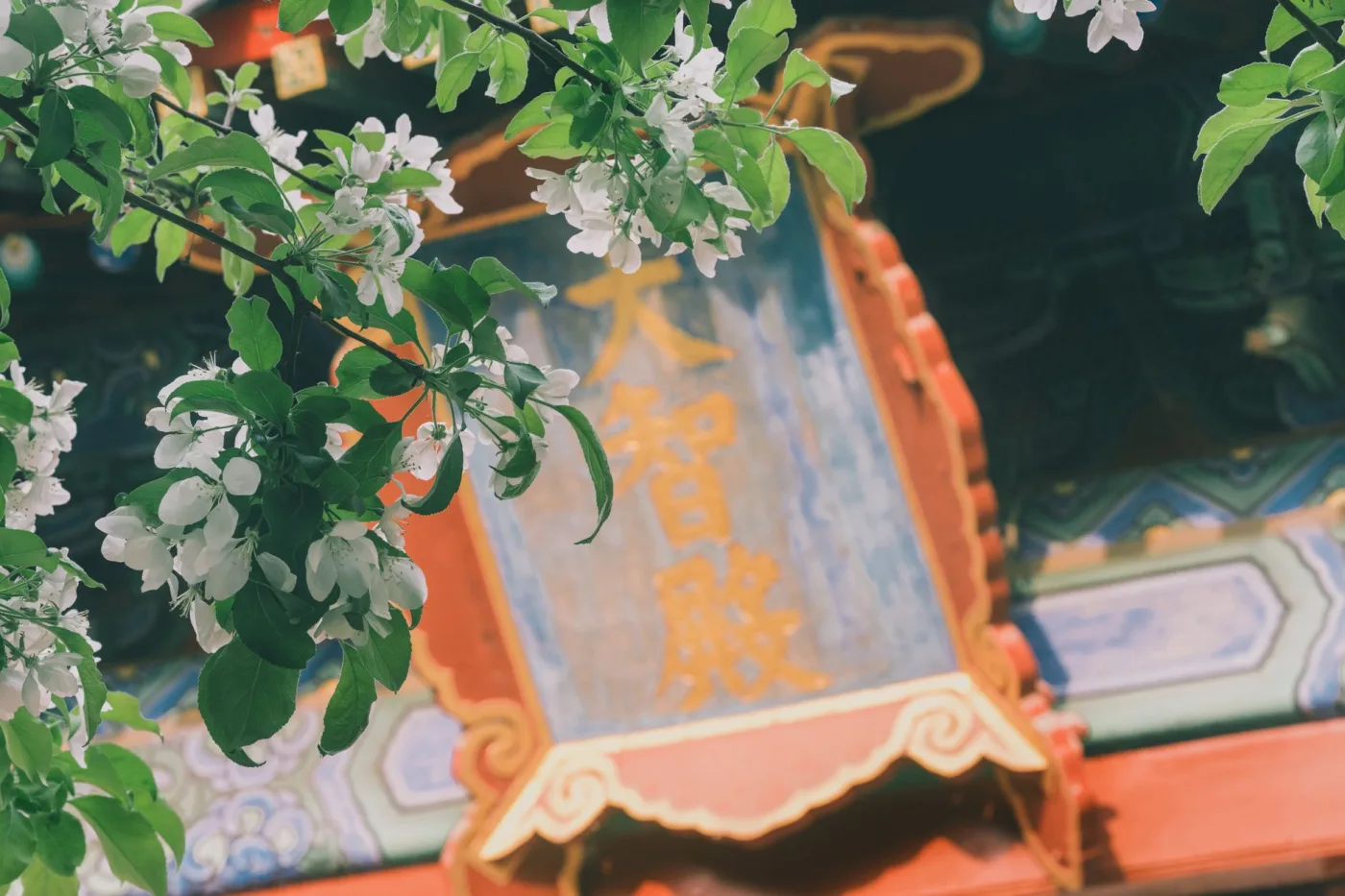
For everyday families, Hanshi was not only a solemn memorial. It was also part of the seasonal rhythm of rural life. Early April was a time when fields, trees, and rivers came alive again. People went outdoors, visited relatives, cleaned graves, gathered wild herbs, and enjoyed spring scenery. In some areas, families placed willow branches at gates or wore willow twigs, a custom also associated with Qingming. Willow, flexible and full of new green, symbolized vitality and protection.
Children might play on swings, fly kites, or join spring outings. Adults used the occasion to maintain family bonds and community ties. The cold-food rule was strict in some dynasties and regions, looser in others. In practice, the festival allowed people to remember the dead while also stepping into the brightness of spring.
Hanshi in History: From Court Ritual to Folk Festival
Hanshi was important enough to appear in classical poetry and official records. During certain periods, especially from the Han through Tang dynasties, the no-fire custom was widely recognized. The imperial court could issue rules about fire prohibition, and officials were sometimes given leave around Hanshi and Qingming. Tang poetry often mentions Hanshi scenes: palace candles, smoke-free streets, spring winds, and families preparing for ancestral rites.
At the court level, the festival carried moral and political meanings. It reminded officials of loyalty and restraint. It also fit into a larger ritual calendar in which rulers demonstrated respect for ancestors, Heaven, and social order. Among everyday families, however, the practical details mattered more: when to sweep graves, what food to prepare, which relatives to visit, and how to observe local taboos.
Over time, Hanshi and Qingming moved closer together. Since Qingming was one of the 24 solar terms and also a convenient time for tomb sweeping, it gradually absorbed many Hanshi customs. By the Song and later dynasties, the distinction remained in literature but became less clear in everyday life. In modern China, most people know Qingming; fewer actively celebrate Hanshi as a separate festival.
Traditional Foods and Customs
Because Hanshi means “cold food,” food is central to the festival’s identity. The exact dishes varied by region and period. Some common associations include:
• **Cold rice and grain dishes:** simple prepared staples eaten after the hearth was put out.
• **Qingtuan-like green rice cakes:** in parts of southern China, spring herbs such as mugwort or barley grass were used to color sticky rice cakes green. Today these are strongly linked with Qingming, but they fit the older Hanshi spirit as well.
• **Boiled eggs:** easy to prepare ahead and eat cold.
• **Cold noodles or cakes:** depending on local grain culture.
• **Willow customs:** placing or wearing willow branches to mark spring and ward off misfortune.
• **Spring outings:** walking in the countryside, appreciating new growth, and visiting ancestral graves.
The no-fire custom also had practical seasonal meaning. Some scholars connect it to ancient fire-renewal rites: old fires were extinguished and new fires were later kindled, symbolizing purification and a new seasonal cycle. This helps explain why the festival was not purely about grief.
How Hanshi Is Remembered Today
Today, Hanshi is rarely a public celebration on its own. Most families do not stop cooking or formally observe a cold-food day. Instead, Hanshi survives inside Qingming customs, in regional foods, in school lessons about Jie Zitui, and in classical poems. In Shanxi and nearby areas connected with the Jie Zitui legend, local memory may be stronger. Some cultural sites and tourism materials present Hanshi as part of local heritage.
Modern people may encounter Hanshi when eating qingtuan around Qingming, reading Tang poems, or learning why early April in China is associated with both grave sweeping and spring outings. The festival has become more cultural than practical. Its moral story still resonates, especially the idea that true loyalty may be quiet, principled, and unrewarded.
Historical and Modern Differences
The biggest difference is that Hanshi once shaped daily behavior. Not lighting fires affected every household meal. In modern urban life, few people would turn off gas or electricity for a festival. Another difference is public awareness. In the past, Hanshi was part of the official and folk calendar; today, it is overshadowed by Qingming.
However, some deeper themes remain. Families still honor ancestors in early April. People still associate the season with fresh green foods, outdoor walks, and renewal. Chinese culture still remembers moral figures through festival stories. In that sense, Hanshi has not disappeared completely; it has been absorbed into a broader Qingming season.
A Helpful Note for Foreign Readers
Do not think of Hanshi as simply a “Chinese food holiday.” It is better understood as a layered spring memorial festival. The cold food rule, the legend of Jie Zitui, ancestral remembrance, and spring outings all belong together. The festival shows a common feature of Chinese tradition: one day can carry family duty, political morality, seasonal change, and everyday food culture at the same time.
If you visit China around Qingming, you may not hear people say “Happy Hanshi Festival.” But when you see green rice cakes, willow branches, tomb-sweeping trips, or poems about cold food and spring smoke, you are seeing traces of this ancient festival still living quietly beneath modern life.