Laba Festival: The Chinese Rice Porridge Holiday That Opens the New Year Season
What Is the Laba Festival?
The Laba Festival falls on the eighth day of the twelfth month of the Chinese lunar calendar. In Chinese, la refers to the last lunar month, and ba means eight. The festival usually arrives in January, when winter is deep and the Lunar New Year is approaching.
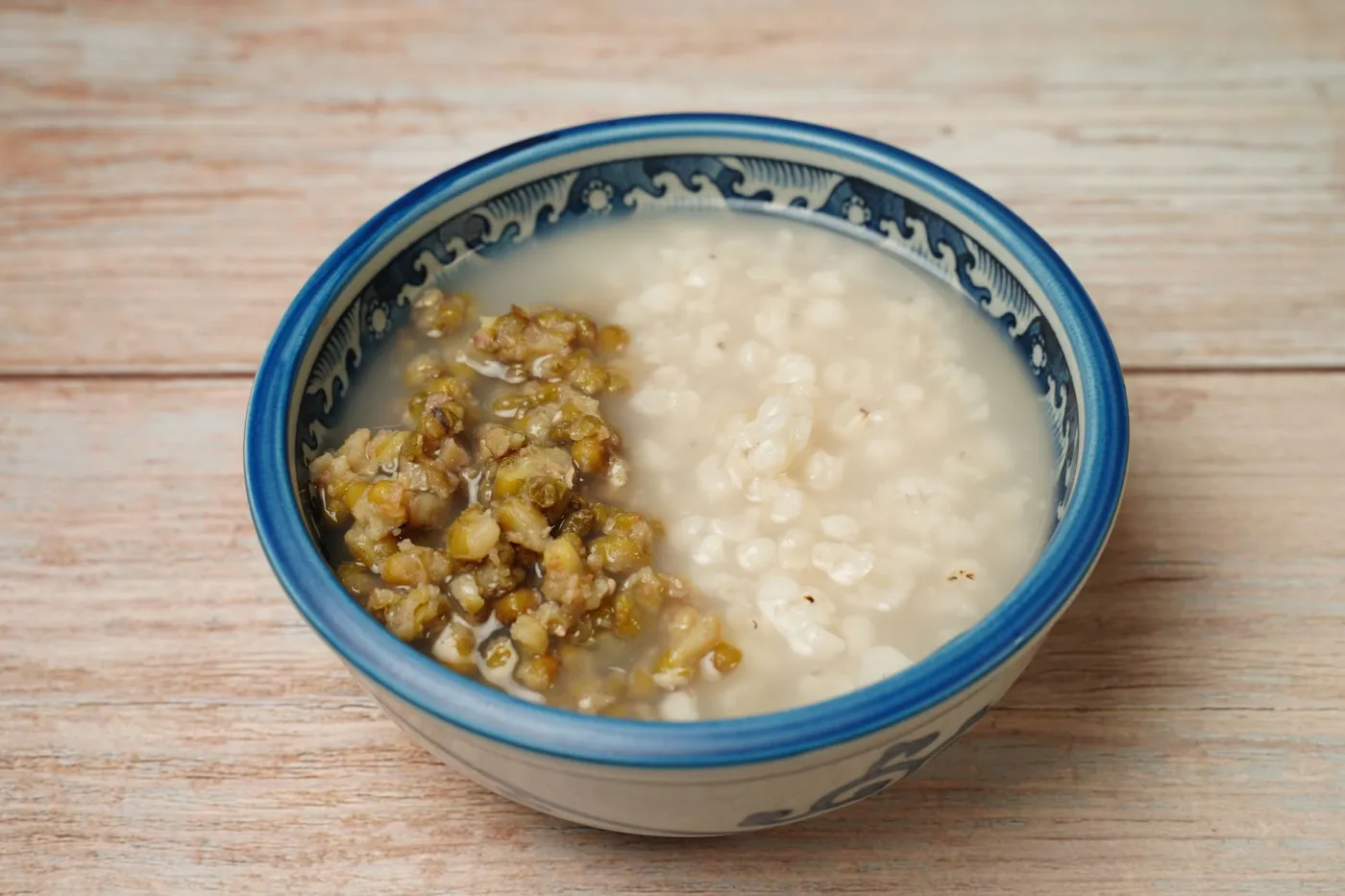
Laba is best known for Laba porridge, a warm dish made with rice, beans, nuts, grains, and dried fruits. The exact recipe changes by region and family, but the idea is always abundance in one bowl. In northern China, another famous custom is making Laba garlic, garlic cloves pickled in vinegar until they turn a striking jade green, ready to be eaten with dumplings during Chinese New Year.
Although Laba is not as internationally famous as Lunar New Year, it plays an important role in the rhythm of traditional life. A common saying goes: “After Laba, it is the New Year.” In other words, once Laba arrives, families begin serious preparations for the Spring Festival.
Traditional Origins and Religious Layers
The Laba Festival has several historical layers. One layer is ancient year-end sacrifice. In early Chinese society, the last month of the year was a time to thank ancestors and deities, report the year’s harvest, and pray for protection. People offered hunted animals, grains, and wine in ceremonies connected with the closing of the agricultural cycle.
Another major layer comes from Buddhism. The eighth day of the twelfth lunar month is traditionally associated in Chinese Buddhism with the enlightenment of Siddhartha Gautama, the Buddha. According to Buddhist tradition, before enlightenment he accepted a bowl of nourishing milk-rice or porridge after a period of severe ascetic practice. Chinese temples later marked the day by cooking and distributing porridge to monks, devotees, and the poor.
Over time, these religious, agricultural, and folk elements blended. Laba porridge became both a temple food and a household food. It symbolized gratitude, charity, nourishment, and the gathering of many ingredients into harmony.
How Ordinary People Traditionally Celebrated
In traditional households, making Laba porridge could begin before dawn. Families soaked beans and grains, prepared dried fruits and nuts, and simmered everything slowly until soft. Common ingredients included glutinous rice, millet, red beans, mung beans, peanuts, lotus seeds, dates, chestnuts, walnuts, raisins, and longan. Wealthier families might use more luxurious ingredients; poorer families used what they had.
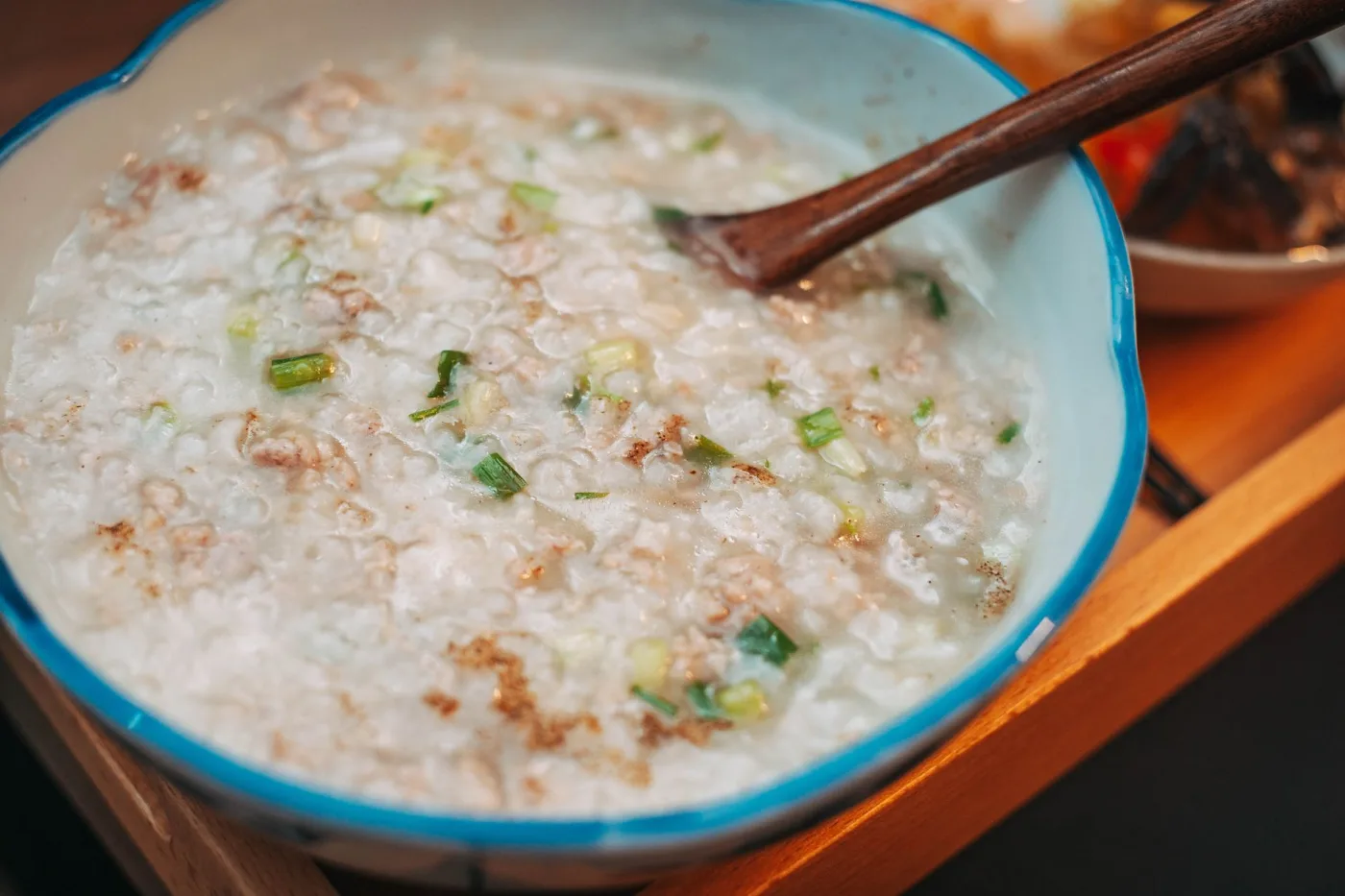
The porridge was often offered first to ancestors or household deities, then served to family members. Sharing it was a way to wish for health, fullness, and good fortune in the coming year. Some families also gave bowls to neighbors, relatives, or people in need, continuing the charitable spirit associated with Buddhist temples.
In northern regions, households began making Laba garlic. Garlic cloves were peeled and placed in vinegar, often in a jar near a cool window. By New Year, the cloves turned green and the vinegar absorbed a sharp garlic flavor. The garlic and vinegar were then served with dumplings, cutting through the richness of holiday food.
Laba also signaled the start of practical New Year preparation: cleaning, planning purchases, making preserved foods, settling accounts, and thinking about gifts and travel.
How Laba Was Celebrated in History
Historical records show that Laba customs became especially visible after Buddhism spread widely in China. Temples cooked large pots of porridge and distributed it to the public. This practice strengthened the association between Laba and compassion. Even today, some temples continue to give out Laba porridge, and long lines may form before sunrise.
In imperial and elite households, Laba could be marked by formal gifts of porridge. During the Qing dynasty, for example, the court had elaborate Laba porridge practices, and porridge might be granted to officials, nobles, or temples. The dish was humble in form but rich in symbolism: many ingredients, carefully prepared, representing harmony under heaven.
In villages and towns, Laba was more domestic. It was a cold-weather food day, a charity day, and a countdown marker. Children knew that after Laba, New Year treats were getting closer. Adults knew that work had to speed up: debts, clothing, food storage, house cleaning, and ritual preparations all needed attention.
How People Celebrate Today
Today, Laba remains most visible through food. Supermarkets sell mixed Laba porridge grains in ready-made packages. Restaurants and breakfast shops offer seasonal porridge. Families may cook a pot at home, though pressure cookers and rice cookers have replaced long hours over a stove.
Many Buddhist temples in China still distribute free Laba porridge. These events are often covered by local media, emphasizing charity, tradition, and community warmth in winter. Some people visit temples not only for religion but also for cultural experience.
Laba garlic is still popular in northern China, especially in Beijing, Tianjin, Hebei, and surrounding areas. Social media users post photos of jars turning green day by day. The color can surprise foreigners, but it is a normal chemical reaction between garlic, vinegar, and low temperature.
For younger urban people, Laba may be a light seasonal reminder rather than a major family gathering. They may buy a cup of porridge, send a greeting online, or use the day as a mental signal that the Spring Festival travel rush and holiday planning are coming.
Historical and Modern Differences
In the past, Laba required more labor and had stronger ritual meaning. Families prepared ingredients by hand, cooked slowly, and made offerings before eating. Temples played a larger role in public charity, especially for people with limited food in winter.
Today, convenience has changed the experience. Packaged grain mixes, takeout porridge, and online recipes make the festival easy to observe. But they also make it less communal. Many people eat Laba porridge alone at work or school, without ancestor rituals or neighborhood sharing.
The New Year countdown function remains strong. Even if people do not perform old ceremonies, they still recognize Laba as the beginning of the Spring Festival mood. Advertisements, markets, and family conversations begin to turn toward reunion dinners, travel tickets, red envelopes, and holiday shopping.
Common Foods and Customs
Laba porridge is the central food. It can be sweet or lightly plain, depending on region and family taste. Ingredients often include several grains and beans because the number and variety suggest prosperity. Red dates and longan add sweetness; lotus seeds and peanuts add texture; walnuts and chestnuts add richness.
Laba garlic is the second famous custom, especially in the north. The green garlic is eaten with dumplings during Lunar New Year, and the vinegar becomes a flavorful dipping sauce.
Other customs include visiting temples, giving porridge to others, offering food to ancestors, beginning New Year cleaning, preparing preserved meat or sausages in some regions, and teaching children that the New Year season has officially begun.
Tips for Foreign Readers
Laba may look like a small porridge holiday, but it reveals a lot about Chinese culture. It connects food with religion, winter survival, family memory, charity, and the slow build-up to Lunar New Year.
If you try Laba porridge, do not expect one fixed recipe. A family’s version may reflect local crops, personal taste, health beliefs, and budget. The meaning comes from mixture and warmth: many ingredients cooked together until they become one nourishing bowl.
Laba also helps international readers understand that Chinese New Year is not a single day. It is a season. Laba is one of the first clear signs that the old year is closing and the busiest, most emotional holiday period in Chinese life is on its way.