Zhongyuan Festival: China’s Ghost Festival and Its Traditions of Remembering the Dead
What Is the Zhongyuan Festival (Ghost Festival)?
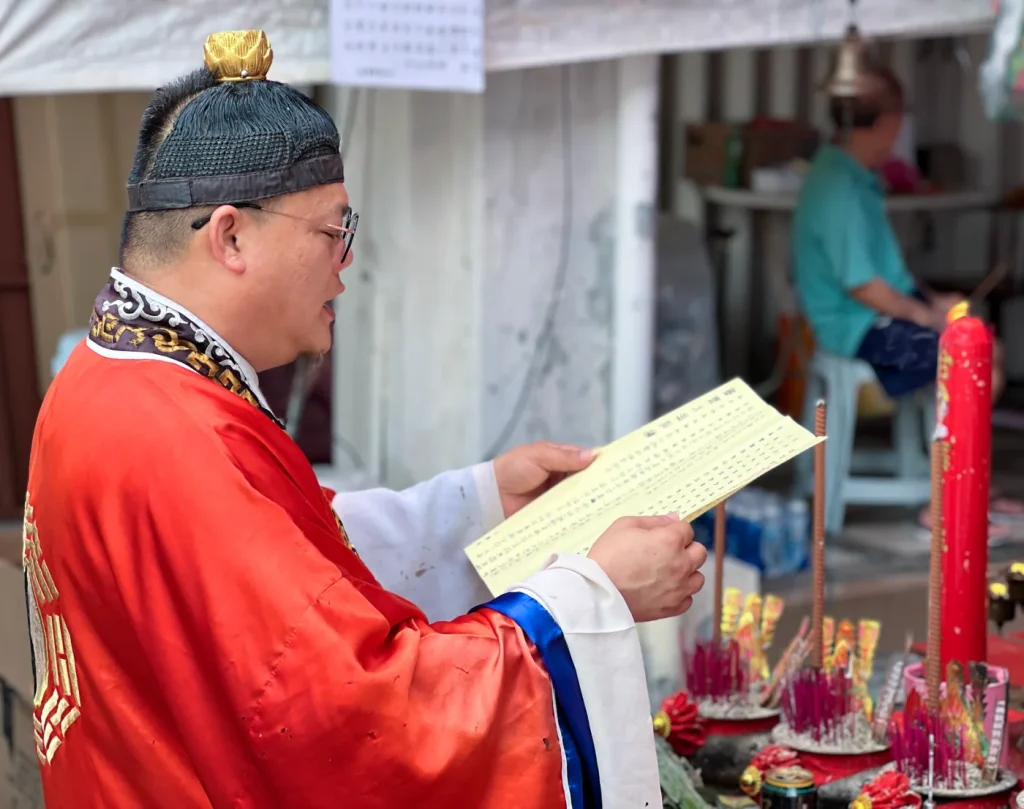
The Zhongyuan Festival, commonly called the Ghost Festival in English, falls on the night of the fifteenth day of the seventh lunar month. This month is traditionally known as Ghost Month in Chinese folk belief. The festival is a time when the boundary between the living and the dead is believed to thin, and spirits of the underworld can visit the human realm.
Zhongyuan has three main religious and cultural sources: Taoism, Buddhism, and folk ancestor worship. In Taoism, Zhongyuan is one of three important festival days connected with the Three Officials. In Buddhism, it is known as the Yulanpen Festival, linked to the story of Mulian saving his mother from suffering. In folk practice, it is a day for offering food, burning incense and paper goods, and showing compassion to wandering spirits who have no families to care for them.
For international readers, Ghost Festival may seem dark or frightening. It does involve ghosts and taboos, but its real meaning is more complex: it addresses grief, compassion, duty to ancestors, and the hope that even forgotten souls receive comfort. Many of the customs are practical ways to calm fear, express generosity, and maintain social and spiritual order.
Three Origins: Taoist, Buddhist, and Folk
**Taoist origin:** The fifteenth of the seventh month is Zhongyuan, the day of the Earth Official of the Taoist Three Officials, who reviews and judges human affairs. Offerings and rituals on this day can reduce suffering and release wandering souls. The three feast days are Shangyuan (Lantern Festival in the first month), Zhongyuan (Ghost Festival in the seventh month), and Xiayuan (in the tenth month).
**Buddhist origin:** The Yulanpen Festival comes from the Ullambana Sutra. It tells the story of Mulian, a Buddhist disciple who saw his deceased mother suffering in a hungry ghost realm, unable to eat because food burst into flames. The Buddha advised Mulian to make offerings to the monastic community at the end of the summer retreat period. Through this compassionate act, his mother was released. The term yulanpen or ullambana relates to the suffering of being hung upside down, a metaphor for profound torment.
**Folk origin:** In Chinese folk religion, the seventh month is Hungry Ghost Month. The gates of the underworld open, and ghosts roam the earth. Families hold feasts, burn paper money, and perform rituals to feed both their own ancestors and unattached spirits. Without such care, wandering spirits could cause trouble, but the belief also contains compassion: no one, even a stranger in death, should be forgotten.
These three traditions have blended over centuries. In many Chinese households, people may not distinguish which source a custom comes from. The important thing is to honor ancestors, help suffering spirits, and protect the family from misfortune.
How Ordinary People Observe Zhongyuan
Common folk customs during the Ghost Month include:
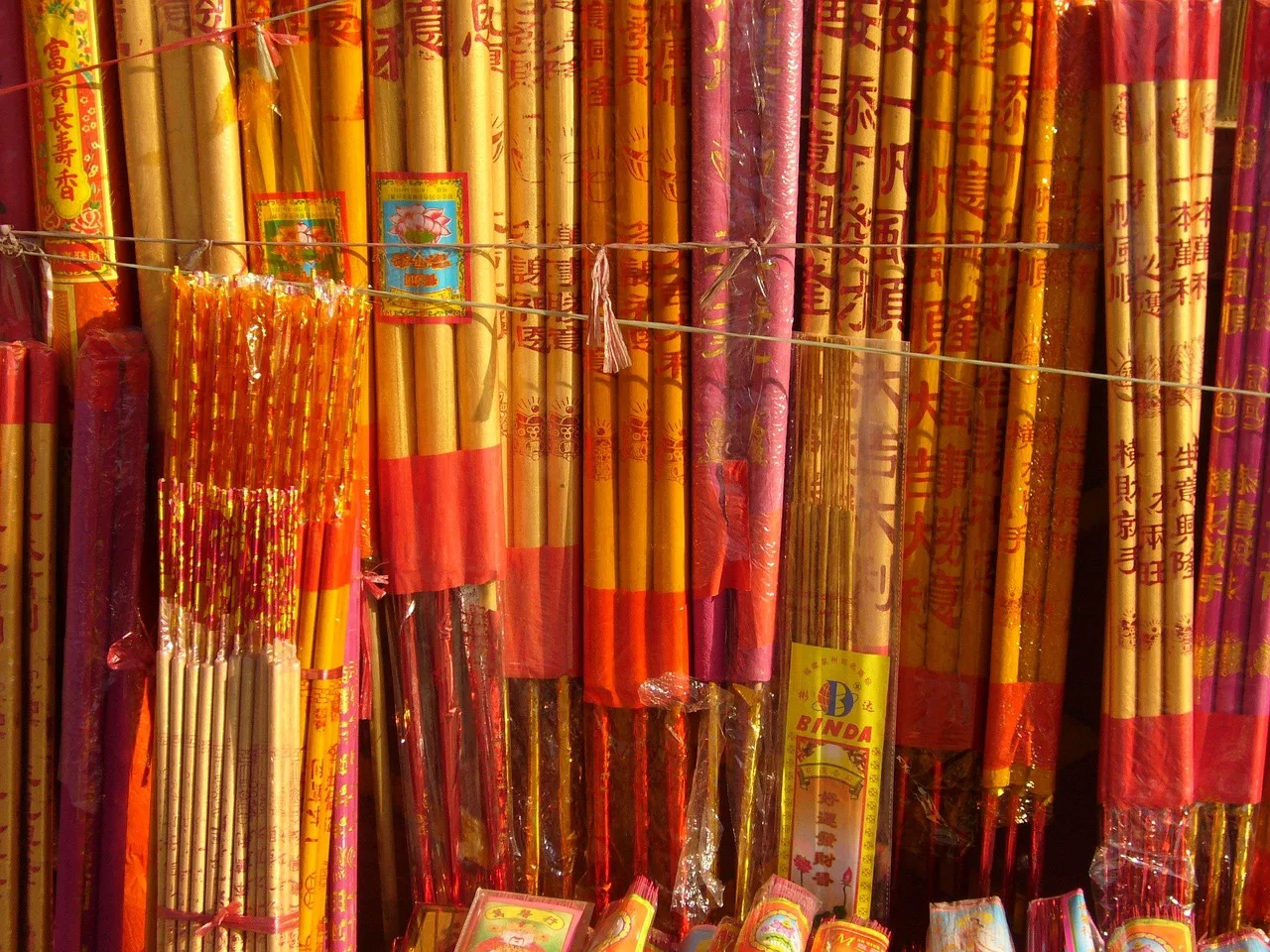
**Food offerings:** Families prepare elaborate meals and place them at altars, graves, or roadside shrines. Incense is lit to invite spirits to eat. Rice, meat, vegetables, fruits, wine, tea, and pastries may be included. After the ritual, families may eat the food themselves, since only the spiritual essence is consumed.
**Burning paper offerings:** Joss paper, or ghost money, is burned throughout the month. People also burn paper houses, cars, phones, and clothing for spirits. These offerings are meant to provide comfort and wealth in the afterlife.
**River lanterns:** In many Chinese communities, people set floating lotus-shaped lanterns on rivers, lakes, or the sea. These lanterns guide lost souls and help them find their way. The sight of hundreds of lanterns drifting at night is one of the festival’s most striking images.
**Outdoor worship:** Since not all families have convenient access to graves, worship often takes place at streetside altars or in front of the house. This is especially true for those living in cities.
**Performances and rituals:** In some regions, especially in southern China and overseas Chinese communities, operas and ceremonies are held to entertain spirits and the community alike.
Zhongyuan in History
The Yulanpen Festival was recorded in Chinese texts as early as the sixth century. During the Tang dynasty, it was widely observed in Buddhist monasteries. Lay families adopted its rituals for ancestor worship. By the Song dynasty, the Zhongyuan Festival had fully integrated Buddhist, Taoist, and folk elements.
Historically, the festival created a ritual space for both domestic ancestors and marginal spirits. It expressed the idea that society includes the dead as well as the living. City temples organized public ceremonies. Rural families maintained household altars and graveside rituals. The seventh month also had practical warnings for children, especially near water, where spirits were believed to lurk.
In imperial times, the festival was not considered purely fearful. It was a scheduled part of the year. People knew how to prepare, and the community shared the observance. Fear was balanced by ritual knowledge and social solidarity.
Common Taboos and Beliefs
During Ghost Month, many people avoid certain activities to avoid offending or attracting spirits:
• Avoid swimming at night, especially in natural water.
• Avoid staying out too late, particularly on the fifteenth night.
• Avoid whistling at night, which may attract spirits.
• Do not pick up coins or objects on the ground.
• Avoid moving into a new house or holding large weddings during the month.
• Do not hang clothes outside late at night.
• Avoid touching or kicking roadside offerings and paper ashes.
These taboos are widely known even among Chinese people who are not particularly superstitious. They may be treated more as tradition than literal belief. Foreigners should be aware of them as cultural knowledge, not recommended warnings.
Food Offerings and Community Customs
Food customs in Zhongyuan focus on offerings rather than festive eating:
• **Whole cooked meals** are arranged with rice, meat, vegetables, and soup.
• **Fruits and desserts** are included as offerings.
• **Tea and wine** are poured for spirits and later for family use.
• **Steamed buns and pastries** may be prepared or bought.
• **Vegetarian offerings** are more common in Buddhist-influenced versions.
In some communities, public feasts or opera performances are held to serve both living and dead audiences. These are especially lively in areas like Hong Kong, Taiwan, Fujian, Guangdong, and parts of Southeast Asia, where the Ghost Festival remains a major social event.
How Modern People Observe Zhongyuan
In mainland China today, Zhongyuan is not an official public holiday, but many families still observe it privately. People may set up small altars at home, burn paper money, and offer food after work or on weekends. In cities, designated areas are sometimes provided for paper burning to manage fire safety.
In Hong Kong and Macau, Zhongyuan is more publicly visible. Floating lanterns, outdoor rituals, street performances, and community feasts occur in many neighborhoods. UNESCO recognized the Hong Kong Ghost Festival as part of the world’s Intangible Cultural Heritage.
Among younger generations, awareness varies. Some consider the customs outdated. Others, especially after losing elderly relatives, find deeper meaning in the rituals. Digital offerings have also appeared, with virtual incense and paper burning options online.
Global Chinese communities also observe Zhongyuan. In places such as Malaysia, Singapore, Thailand, and the United States, families and temples conduct rituals adapted to local conditions.
Historical and Modern Differences
The most noticeable difference is public visibility. Historically, Ghost Month was an open community observance. Today, especially in urban mainland China, it is more private and discreet. People do not want neighbors or officials to think they are encouraging superstition, so they may keep offerings low-key.
Another change is the scale of paper burning. Environmental concerns, fire safety, and urban regulations have made public burning less common in many areas. Some households now use compact paper goods or simply light incense.
Belief also varies. Older generations may genuinely fear ghosts or believe in the ritual’s effectiveness. Younger people may participate out of respect for family tradition rather than personal belief. This shift is natural across cultures when festivals with religious origins continue in a modernizing society.
Tips for Foreign Readers
Ghost Festival is not Halloween. Do not wear a costume, play tricks, or treat the day as entertainment. The atmosphere in Chinese communities during Ghost Month is respectful and cautious. If you see offerings on sidewalks, small piles of ashes, or incense sticks in front of buildings, do not touch them. They have been placed for spirits.
It is considered respectful to avoid loud parties, night swimming, or mockery of the customs during the seventh lunar month. You do not need to be afraid. Just be aware that many Chinese people carry a quiet sense of caution and respect throughout this period, even those who do not strictly believe in ghosts.
At its heart, Zhongyuan Festival reflects a profound Chinese cultural value: the living and the dead remain connected. Even spirits without families should not be ignored. The festival asks people to remember that kindness can cross the boundary between life and death, and that every soul deserves a moment of care.