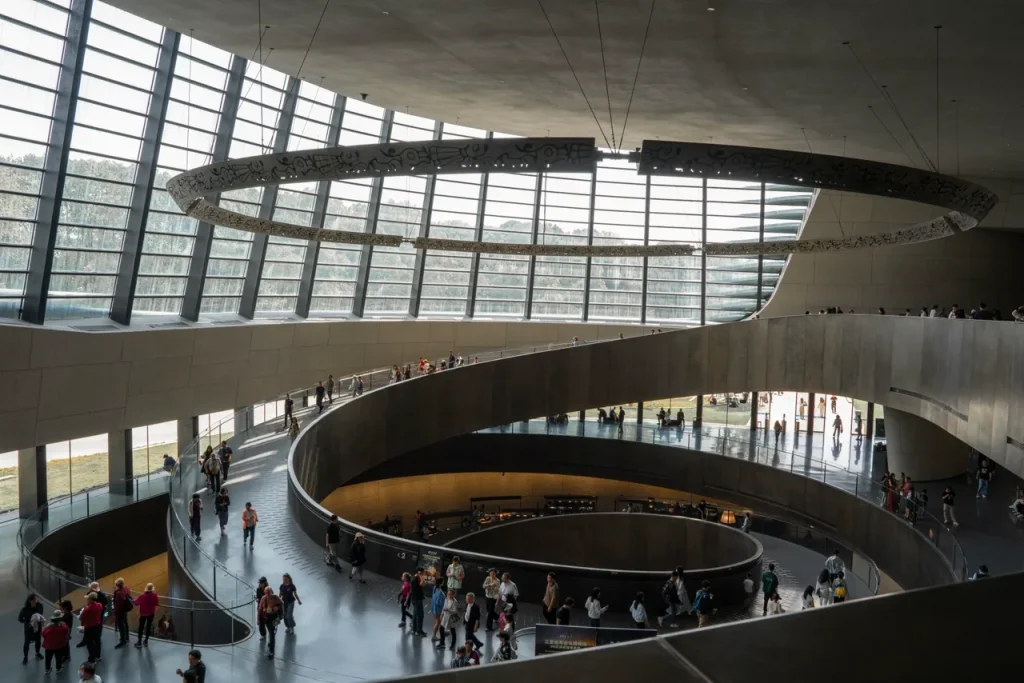
On a hot summer afternoon in China, a museum can feel like a sensible escape: cool air, quiet galleries, and enough space to slow down. But in recent years, the more interesting scene has often started after dinner. Parents arrive with children in sandals, university students come in small groups after class, and office workers walk through exhibition halls with iced drinks still in hand from the street outside. Museum night openings are becoming a familiar part of urban culture, and they are changing the way many young visitors meet history.
The idea is simple. Instead of treating a museum visit as a formal daytime activity, many institutions now extend hours during busy holiday periods, summer vacations, and special exhibitions. Some add guided talks, small concerts, craft workshops, or themed routes through permanent collections. Others keep the program modest and simply give people more time. That extra time matters. In big cities, weekday schedules can be tight. A museum that stays open into the evening suddenly becomes a realistic choice for a date, a family walk, or a slow stop after work.
A quieter doorway into culture
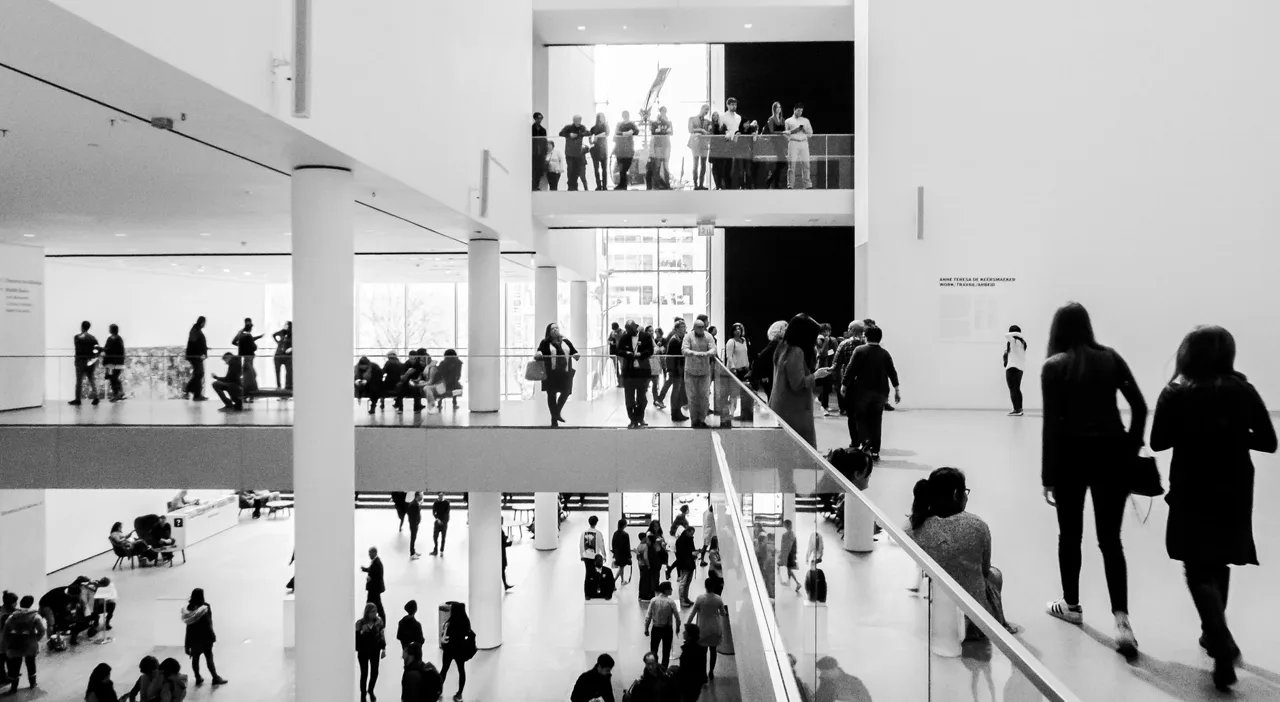
For many young Chinese visitors, the evening museum has a different emotional tone from the school-trip museum they remember. The old version was often about lining up, listening quickly, taking notes, and moving on. A night visit feels less like homework. Lighting is softer. Crowds move more slowly. People pause longer in front of bronzes, calligraphy, ceramics, or local-history photographs because no one is rushing toward the bus outside.
This softer atmosphere helps historical objects feel less distant. A Tang dynasty figurine is no longer just a test point in a textbook. A Qing-era shop sign can remind someone of an old lane in their grandparents’ city. A display about river transport, grain taxes, or tea trading suddenly connects to food delivery routes, market neighborhoods, and the everyday rhythm of modern life. The best museum nights do not make history lighter; they make it easier to approach.
Why young people are showing up
Several habits are meeting at once. Young travelers in China increasingly look for experiences that feel local rather than purely scenic. A museum offers a shortcut into a city’s memory: dialect, craft, trade, migration, food, and architecture are often gathered under one roof. At the same time, social media has made museum-going more visible. A beautifully lit gallery, a clever exhibition poster, or a limited-edition cultural product can travel quickly online.
Yet it would be too easy to say young visitors come only for photos. Many do take pictures, but they also read labels, compare audio guides, and discuss whether a design from hundreds of years ago still looks modern. Museum gift shops have become part of this conversation. A notebook based on a mural, a fridge magnet shaped like an ancient roof tile, or a cup printed with a local pattern gives visitors a small object to carry home. These purchases are not substitutes for learning; at their best, they are reminders to keep paying attention.
Families use the evening differently
Parents also like night openings because they change the pace of children’s cultural education. A daytime museum trip during vacation can become one more item on a packed schedule. An evening visit is gentler. A child may spend ten minutes looking at one animal-shaped vessel and ignore half the exhibition, and that is fine. The goal is not to complete the museum. The goal is to make curiosity feel natural.
Some museums design short routes for families: three objects, one story, and a question to discuss afterward. This works especially well for local-history museums, where a child can connect an old map to the subway ride they just took, or an antique food container to something eaten at home. When culture is tied to ordinary life, it stops feeling remote.
The challenge: crowds without noise
Popularity brings problems. Famous exhibitions can still attract long lines, and night openings require staff, security, lighting, climate control, and careful crowd management. Museums must balance liveliness with protection. Cultural relics need stable conditions. Visitors need room to move. A museum that turns into a noisy shopping street loses the very calm that made night visits attractive.
The better approach is not to make every museum into an entertainment venue. It is to use evening hours thoughtfully: timed reservations, smaller talks, clear routes, and enough quiet corners for people who came to look rather than perform. A museum night succeeds when visitors leave feeling that they spent time with something real.
A sign of changing cultural confidence
The rise of museum nights also says something about China’s broader cultural mood. Heritage is no longer presented only through grand slogans or major monuments. It is increasingly found in small, repeatable habits: stopping by a gallery after dinner, buying a postcard of a local artifact, taking a child to see an old city model, or learning the story behind a familiar festival object.
For travelers, this trend is useful. If you visit a Chinese city in summer, check whether its museum has extended hours. You may find a less hurried version of the city waiting indoors. For locals, the museum night offers something even better: a way to rediscover a place they thought they already knew. History does not always need a ceremony. Sometimes it only needs an open door, a cooler evening, and enough time to stand still.